Going Native in Zone 9B: A Beginner's Guide
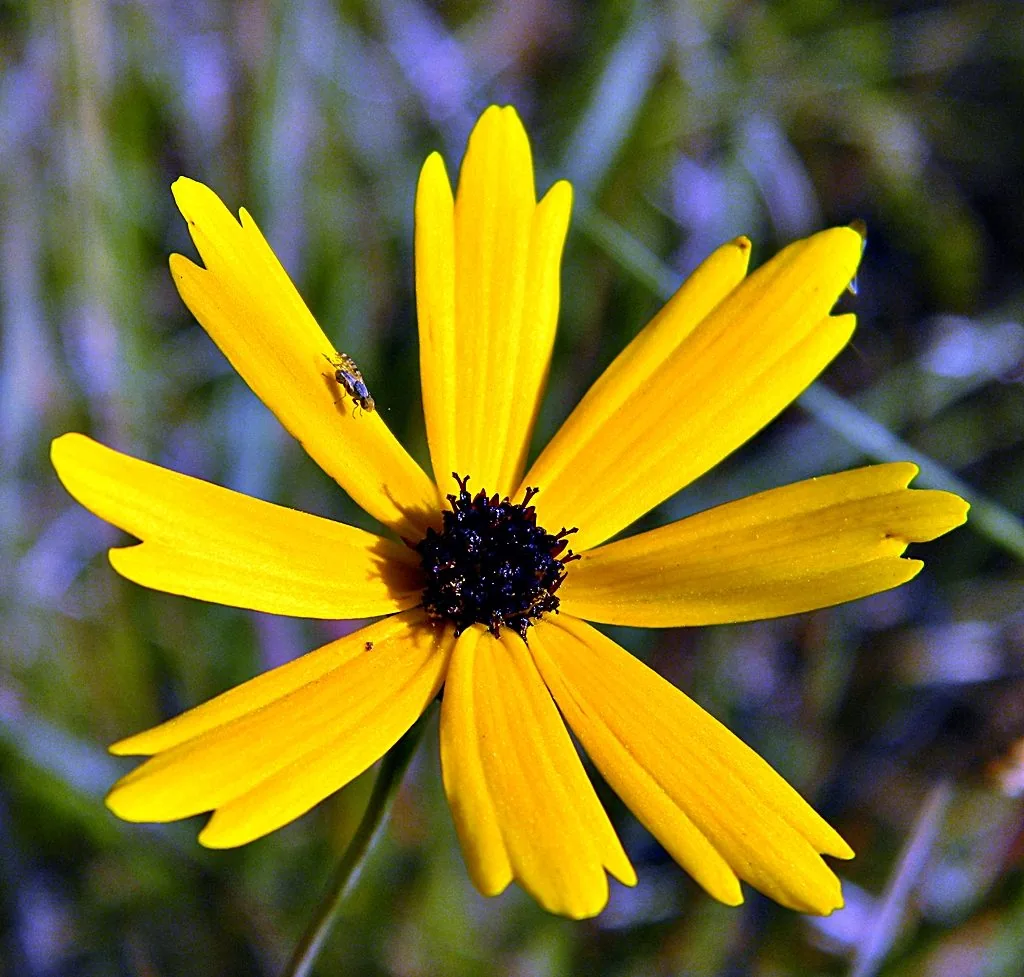
If you garden in Spring Hill, Brooksville, or anywhere in Hernando County, you already garden in one of the most forgiving — and most misunderstood — climates in the country. Our USDA Zone 9B winters bottom out around 25–30°F, our summers are long, hot, and humid, and our soil is mostly sand: fast-draining, low in nutrients, and quick to dry out. Plants from a big-box garden center, bred for somewhere else entirely, often struggle here. Florida native plants don't. They evolved in exactly these conditions, alongside exactly these pollinators, birds, and soils.
So what does “native” actually mean? A native plant is one that occurred naturally in Florida before European settlement — not just “grows well here,” and not just “tropical-looking.” A plant can thrive in Florida and still not be native. Tropical milkweed, for example, grows easily here but is not native to Florida, and UF/IFAS now lists it as invasive and does not recommend it. Native plants, by contrast, have spent thousands of years in a relationship with local wildlife: their bloom times match when local bees and butterflies are flying, their leaves feed the caterpillars that local birds need to raise their young, and their roots know how to find water in sand.
Why does that matter in an ordinary yard? Three practical reasons. First, natives need less of everything once established — less water, less fertilizer, and no routine pesticides, because they are built for this soil and this weather. Second, they do real ecological work: a yard of natives feeds monarchs, zebra longwings, hummingbirds, and native bees in a way a lawn and a row of exotic shrubs simply cannot. And third, they look like they belong here, because they do — a coontie under a live oak, a drift of coreopsis in full sun, firebush humming with life in September. That is a Florida garden, not a copy of one from somewhere else.
Start by reading your yard
Before you buy a single plant, spend a week watching your yard. This is the least glamorous step and the one that saves the most money.
Sun. Note which spots get full sun (six or more hours of direct sun), part sun/part shade, and real shade. In Florida, “full sun” is serious sun — a plant rated for full sun elsewhere may still scorch in an unshaded west-facing bed in July. Morning sun with afternoon shade is gold for many natives.
Soil and water. Dig a small hole after rain. Does water sit in it, or drain away in minutes? Most of Hernando County is sand that drains fast, but low spots can hold water. Wet feet will kill a drought-loving native just as surely as drought kills a thirsty one. Match the plant to the moisture you actually have, not the moisture you wish you had.
Space. Measure the bed, and check the mature size on the tag — not the size in the pot. A firebush can reach 4 feet or more in a season in 9B, and a coontie slowly spreads 3–5 feet wide. Planting for mature size means less pruning and fewer plants crowding each other out in year two.
Start small — five or six plants, one bed
The biggest beginner mistake is trying to redo the whole yard at once. Pick one bed, ideally near where you sit or walk past every day, so you actually notice what is happening. Prepare it simply: pull out invasive weeds, loosen the sandy soil, and mulch with pine bark or pine straw. Florida natives generally do not want rich amended soil or regular fertilizer — in fact, too much fertilizer pushes soft, leggy growth and can hurt them. Compost is fine in moderation; a bag of garden soil dumped on top of sand is not a fix.
Here are six forgiving first plants for a sunny Zone 9B bed, all widely recommended by UF/IFAS Extension for Central Florida:
- Coreopsis, or tickseed (Coreopsis leavenworthii) — Florida's state wildflower. Cheerful yellow daisies, spring into summer, easy from seed or small pots, and a magnet for bees and butterflies.
- Firebush (Hamelia patens) — the workhorse. Red-orange tubular flowers from late spring through fall feed hummingbirds and butterflies almost daily, and birds eat the small dark berries that follow. It may die back in a hard freeze and return from the roots in spring.
- Coontie (Zamia integrifolia) — Florida's only native cycad. A slow, sculptural evergreen mound, 2–3 feet tall, that takes sun or shade, drought, and neglect, and hosts the rare Atala butterfly. (See our spotlight on coontie and the Atala below.)
- Muhly grass (Muhlenbergia capillaris) — a clumping native grass with a spectacular pink-purple cloud of bloom in fall. Plant it where the low autumn sun can shine through it.
- Frogfruit (Phyla nodiflora) — a low groundcover with tiny white-and-purple flowers that feeds pollinators and hosts the caterpillars of the common buckeye, white peacock, and Phaon crescent butterflies. Good for filling gaps and softening edges.
- Beautyberry (Callicarpa americana) — a loose native shrub whose clusters of bright purple berries in fall are eaten by mockingbirds, robins, and catbirds. Tolerates sun to shade and a range of soils.
That is a real garden: something blooming in every season, something feeding caterpillars, something feeding birds, and something holding its shape in January.
Mistakes beginners make (and how to skip them)
Watering like a lawn. New natives need regular water for the first few months while roots establish — then most of these need very little. Water deeply and infrequently rather than a little every day, and back off once a plant is settled. Overwatering coontie in particular will rot it.
Planting at the wrong time. Fall is the best planting season in Central Florida: the air cools, the soil is still warm, and plants spend the mild winter growing roots instead of fighting summer heat. October is Florida Native Plant Month for a reason. Spring planting works too, but a plant put in the ground in July starts life in the hardest conditions of the year.
Spraying for every chewed leaf. Chewed leaves on a host plant mean the garden is working — caterpillars are supposed to eat milkweed, passionflower, and coontie. If you spray, you kill the very wildlife you planted for. Skip pesticides on natives entirely unless a plant is genuinely dying, and ask your county Extension office first.
Buying the wrong “native.” Check the botanical name, not just the common name. Nurseries sometimes sell a non-native lookalike under a similar name. The Atlas of Florida Plants (florida.plantatlas.usf.edu) is the free, authoritative place to check whether a species is truly native to Florida — and to which counties.
Where to buy natives locally
Native plants are becoming easier to find, but they still are not reliably stocked at general garden centers. Look for nurseries that specialize in Florida natives, and use the Florida Association of Native Nurseries (FANN) plant locator to find suppliers near you. The Hernando Chapter of the Florida Native Plant Society (FNPS) — our local chapter, at hcfnps.org — holds plant sales and monthly meetings in Brooksville, and its volunteers maintain the Florida Native Plant Demonstration Garden at the Nature Coast Botanical Garden, 1489 Parker Ave in Spring Hill, where you can see many of these plants growing in local conditions before you buy. Your local UF/IFAS Extension office (Hernando County) is also a free source of advice: Master Gardener volunteers can help you match plants to your site. Buy small, buy in fall, and buy from people who can tell you where the plant came from — locally grown, ideally from local seed, establishes best.
Going native is not a single project. It is a habit: one bed, a few plants, watching what shows up. Give it a season. The first time a zebra longwing drifts through on its way to your passionflower, or a hummingbird works your firebush at breakfast, you will understand why people don't go back.
Sources: UF/IFAS Extension, “Fall Native Planting: What to Plant Now in Central Florida” (Oct 2026); UF/IFAS Gardening Solutions, “Coontie” and “Milkweed Selection and Care”; UF/IFAS Extension Taylor County, “October is Florida Native Plant Month”; Florida Native Plant Society, Hernando Chapter; Atlas of Florida Plants; Florida Association of Native Nurseries.