A Seasonal Care Calendar for Zone 9B Native Gardens
Interactive Seasonal Care Dial
Florida does not have four seasons the way the rest of the country does. In Hernando County we have a long hot wet summer, a mild dry winter with occasional freezes, and two short, sweet shoulders — spring and fall — when the garden does its best work. The calendar below follows that reality. Dates are guides, not promises: a warm December or a February freeze can shift everything by weeks, and that variation is normal. Watch your plants and the weather, not just the calendar.
Fall (October–November): the planting season
Fall is the most important season in a Zone 9B native garden, and the one newcomers most often miss. While gardeners up north are putting beds to sleep, ours are waking up. October brings relief from summer heat and humidity while the soil stays warm — UF/IFAS Extension calls it the optimal planting window for Central Florida. Plants put in the ground now spend the mild winter growing deep roots instead of fighting heat, and they need significantly less irrigation to establish than spring-planted ones. October is also Florida Native Plant Month, and fall is prime time for native plant sales, including the Hernando Chapter FNPS sales.
Do now:
- Plant trees, shrubs, perennials, and wildflowers — this is the best window of the year for all of them. Coontie can be planted year-round in Florida, but fall establishment is still the easiest.
- Sow native wildflower seed. The Florida Wildflower Foundation's general guidance is mid-October through December for Central Florida sowing; late sowing can still work with adequate rain and warm weather.
- Refresh mulch to 2–3 inches after planting, keeping it away from stems.
- Water new plantings regularly until they are established — fall rain helps, but a dry October still needs watering, especially for anything planted this year.
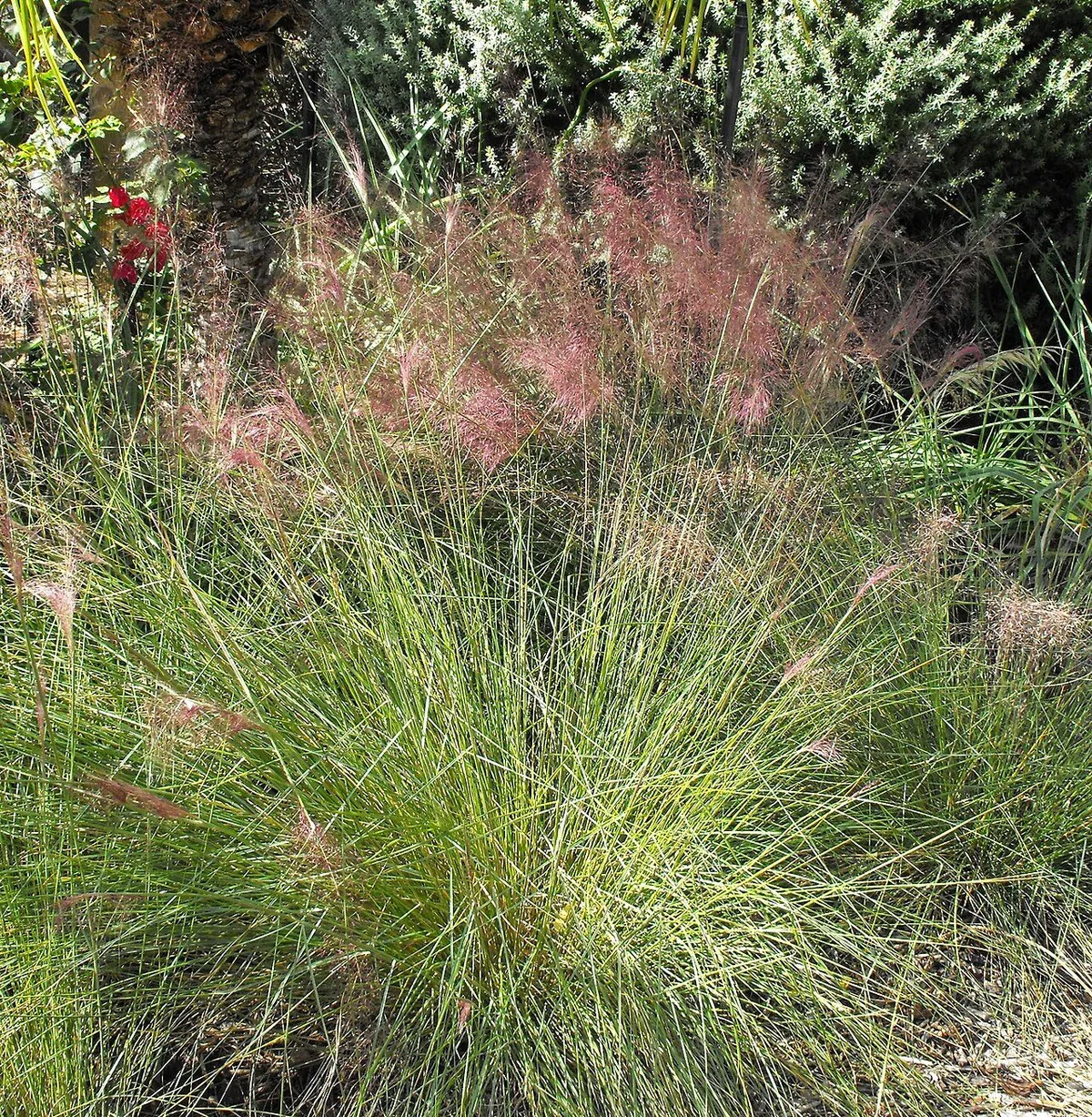
- Enjoy the fall bloom: firebush is heavy with red-orange flowers, muhly grass throws its pink-purple haze, goldenrod feeds late bees, and beautyberry sets its purple berries for birds. October is also peak migration for monarchs and Gulf fritillaries — keep nectar plants unsprayed.
Don't: fertilize. Natives do not need a fall feeding, and soft new growth going into winter is the growth most likely to freeze.
Winter (December–February): cold protection and patience
Our winters are mild, but Zone 9B means lows of 25–30°F, and a hard freeze does happen most years. The good news is that most established natives handle it. The bad news is only for tender new plantings and tropical-leaning natives like firebush, which may die back to the ground in a freeze and return from the roots in spring — that is normal, not a failure.
Do now:
- Watch the forecast, not the calendar. When a freeze is forecast, water the soil around tender plants the day before (moist soil holds heat better than dry soil), and cover the most tender new plantings with frost cloth, old sheets, or blankets — never plastic directly on leaves — draped to the ground to trap warmth. Remove covers in the morning once temperatures rise.
- Leave dead stems, seed heads, and leaf litter in place. They shelter overwintering native bees and other beneficial insects, and they insulate crowns and roots. A too-tidy winter garden is an empty one.
- Cut back watering sharply. Winter is our dry season; established natives need little or no supplemental water. Only new plantings and containers need attention.
- Prune only what is clearly dead or damaged, and lightly. Save the real cutback for spring (below).
- This is a good time to plan and to order seed, visit the Nature Coast Botanical Garden's native demonstration garden, and walk your yard noting what worked and what didn't while the garden is quiet.
Don't: panic when firebush, porterweed, or passionflower look dead after a freeze. Wait until spring — if the roots are alive, they will resprout. Do not dig them out in January.
Spring (March–May): cutback, cleanup, and the big bloom
Spring is the second planting window and the season for the year's one serious cleanup. As the last frost risk passes — typically by March in most of Hernando County, though a late cold snap is always possible — the garden wakes up fast.
Do now:
- Cut back firebush and other freeze-damaged perennials hard in early spring, once you are confident the cold is done. Pruning dead stems back to live growth or to the ground (for plants that resprout from the roots) clears the way for vigorous new growth. Remove winter-killed foliage on muhly grass and other grasses before new growth starts.
- Plant the second wave: spring planting works well for warm-season natives, and nurseries are full in spring. Water new plants regularly as temperatures climb.
- Divide or move anything that outgrew its spot last year — spring, before the heat, is the time.
- Watch for the first hummingbirds (ruby-throated hummingbirds feed in Florida from March to September) and the first zebra longwings and Gulf fritillaries returning to passionflower.
- Resume watering new plantings as the dry spring progresses; established natives still need little.
Don't: cut back too early. A March warm spell followed by a freeze can kill the tender new growth a premature pruning encouraged. When in doubt, wait a week.
Summer (June–September): heat, rain, and letting the garden be
Summer in 9B is the test: daily highs in the 90s, humidity, afternoon thunderstorms, and then stretches of drought between them. Established natives are built for this. Your job is mostly to get out of the way.
Do now:
- Water deeply but infrequently during dry stretches — especially new plantings from spring. Established natives generally do not need supplemental water even in summer, beyond what rain provides; overwatering in heat and humidity invites root rot, which kills more Florida natives than drought does.
- Deadhead coreopsis and blanketflower if you want to prolong bloom, but leave some seed heads for birds and for self-sowing.
- Watch for caterpillars and enjoy them. Summer is peak butterfly season: monarchs on milkweed, zebra longwings and Gulf fritillaries on passionflower, buckeyes and white peacocks on frogfruit. Chewed leaves are the point.
- Stake or gently guide passionflower and other vigorous vines before they swallow their neighbors.
- Keep an eye out for invasive seedlings after summer storms disturb the soil, and pull them while they are small.
Don't: fertilize in summer heat, spray for insects on host or nectar plants, or shear native shrubs into balls — most natives flower on growth you would be cutting off, and shearing ruins their natural form and wildlife value.
A note on what varies by year
No two years in Zone 9B are alike. A wet summer can rot a coontie planted in a low spot; a dry fall can mean extra watering for new plantings; a February freeze can set firebush back to the roots while a mild winter leaves it blooming into January. The calendar above is a rhythm, not a schedule. The gardeners who do best here are the ones who plant in fall, mulch, water new plants through their first season, and then pay attention — the plants will tell you what they need, usually by simply growing or not growing. When in doubt, your county UF/IFAS Extension office and the Hernando Chapter FNPS are free, local, and happy to be asked.
Sources: UF/IFAS Extension, “Fall Native Planting: What to Plant Now in Central Florida” (Oct 2026); UF/IFAS Extension Taylor & Leon Counties; UF/IFAS Gardening Solutions, “Coontie” and “Milkweed Selection and Care”; UF/IFAS EDIS, “Hummingbirds of Florida”; Florida Wildflower Foundation sowing guidance; Atlas of Florida Plants.