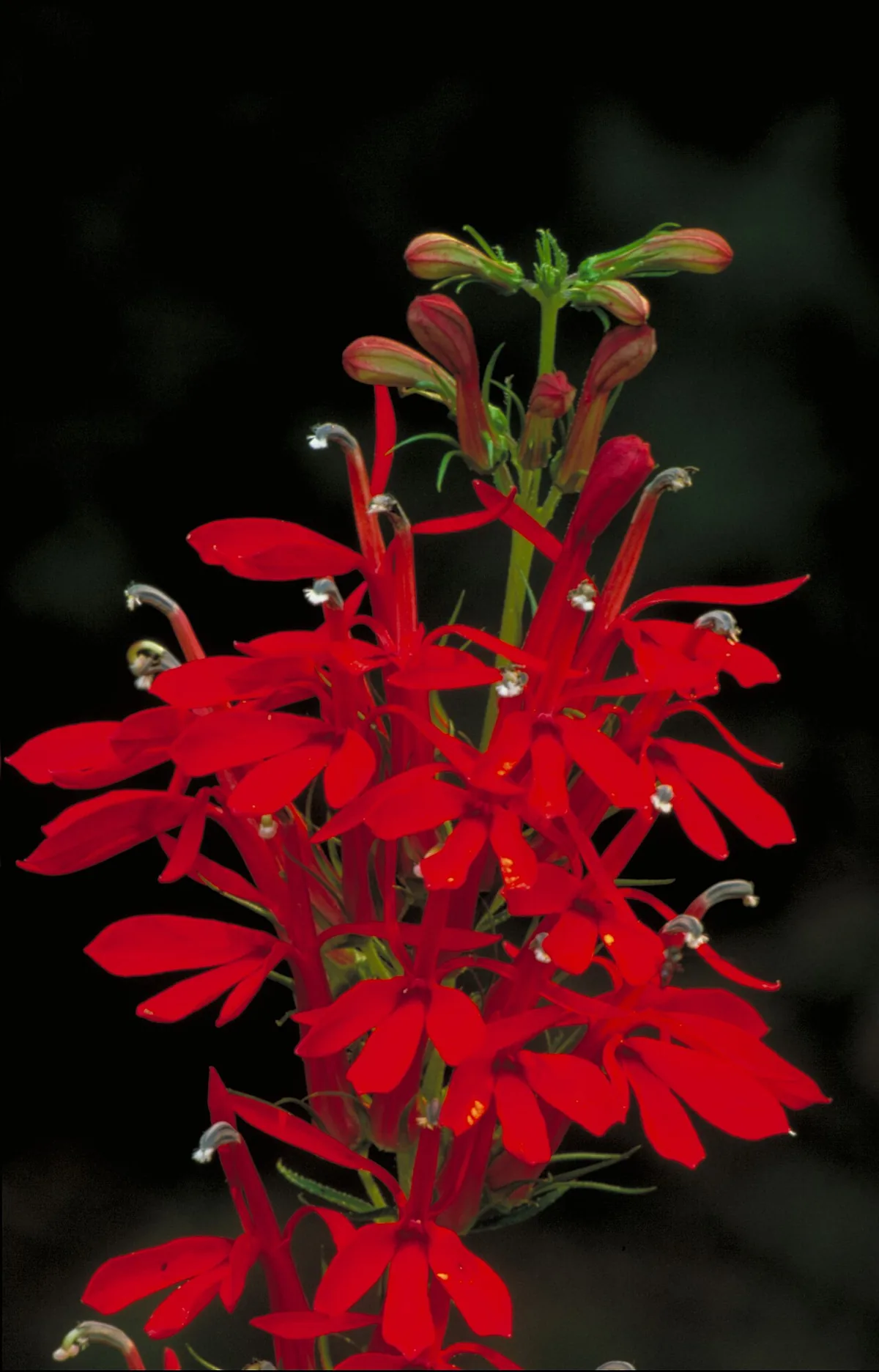
Cardinal Flower
Lobelia cardinalis · Wildflower
Zone 9B Honesty Check
Marginal in 9B — constant moisture and afternoon shade, or choose a substitute.
| Mature Size | 2–4 ft tall × 1–2 ft wide; a short-lived perennial |
|---|---|
| Sunlight | Part shade or filtered light is safest in Florida (full sun only if constantly moist) |
| Water | High — an obligate wetland plant; never let it dry out |
| Soil | Sand or loam that stays wet; low salt tolerance. Native to wet ditches, stream banks, swamps, and pond edges |
| Bloom & Fruit | Brilliant scarlet-red tubular flowers on an upright spike, July–September — the most intensely red native flower in this database. |
Wildlife Value
A hummingbird specialist: UF/IFAS states cardinal flower depends on hummingbirds for pollination — insects struggle to work its long tubes. Caution: it's considered poisonous to people and livestock, so don't plant it where children or animals may eat it.
In Zone 9B (Spring Hill / Hernando)
Range flag: UF/IFAS lists hardiness zones 3–9 and a Florida range running from the Panhandle to Central Florida, mostly north — so 9B is just past its edge. Treat it as a marginal trial plant here: constant moisture plus afternoon shade, and even then it may be short-lived. Winter cold is no threat; heat and drying out are the risks. If your site dries in summer, plant swamp milkweed or blue flag iris instead.
Grow Notes
- Never let it dry out — mulch a damp bed and water through any dry spell.
- Let it self-seed and divide clumps to keep it going, and site it where you can watch the hummingbirds work it.
Sources: UF/IFAS EDIS AG402; UF/IFAS Gardening Solutions, “Hummingbird Gardens” & “Bog Gardens.”
Pairs Well With in Zone 9B
 Tree
FL Native
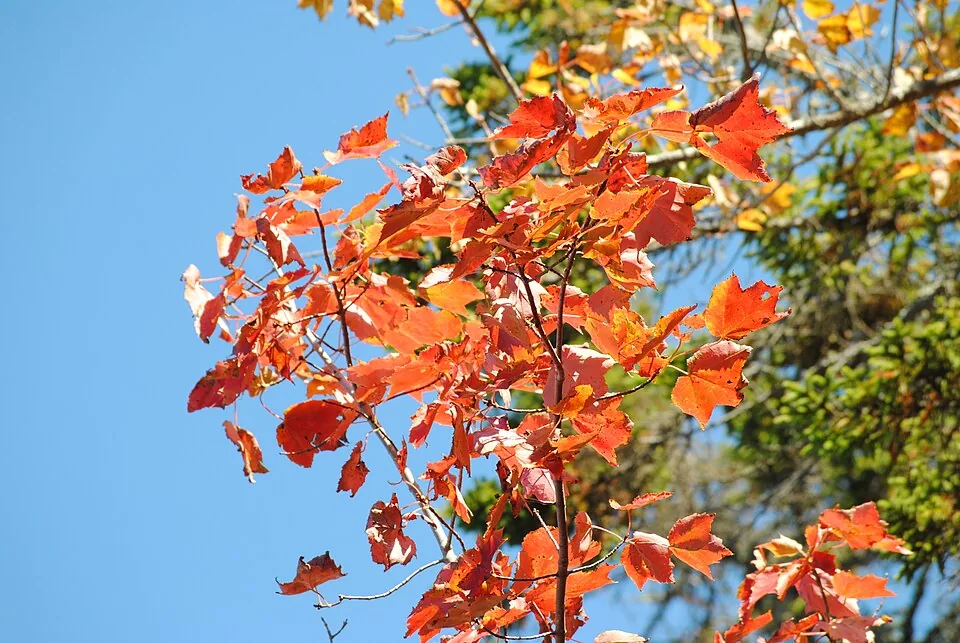
Red Maple
60–75 ft tall × 25–35 ft spread (often shorter in South Florida unless on a wet site) · Full sun to part shade · Moderate to high
 Tree
FL Native
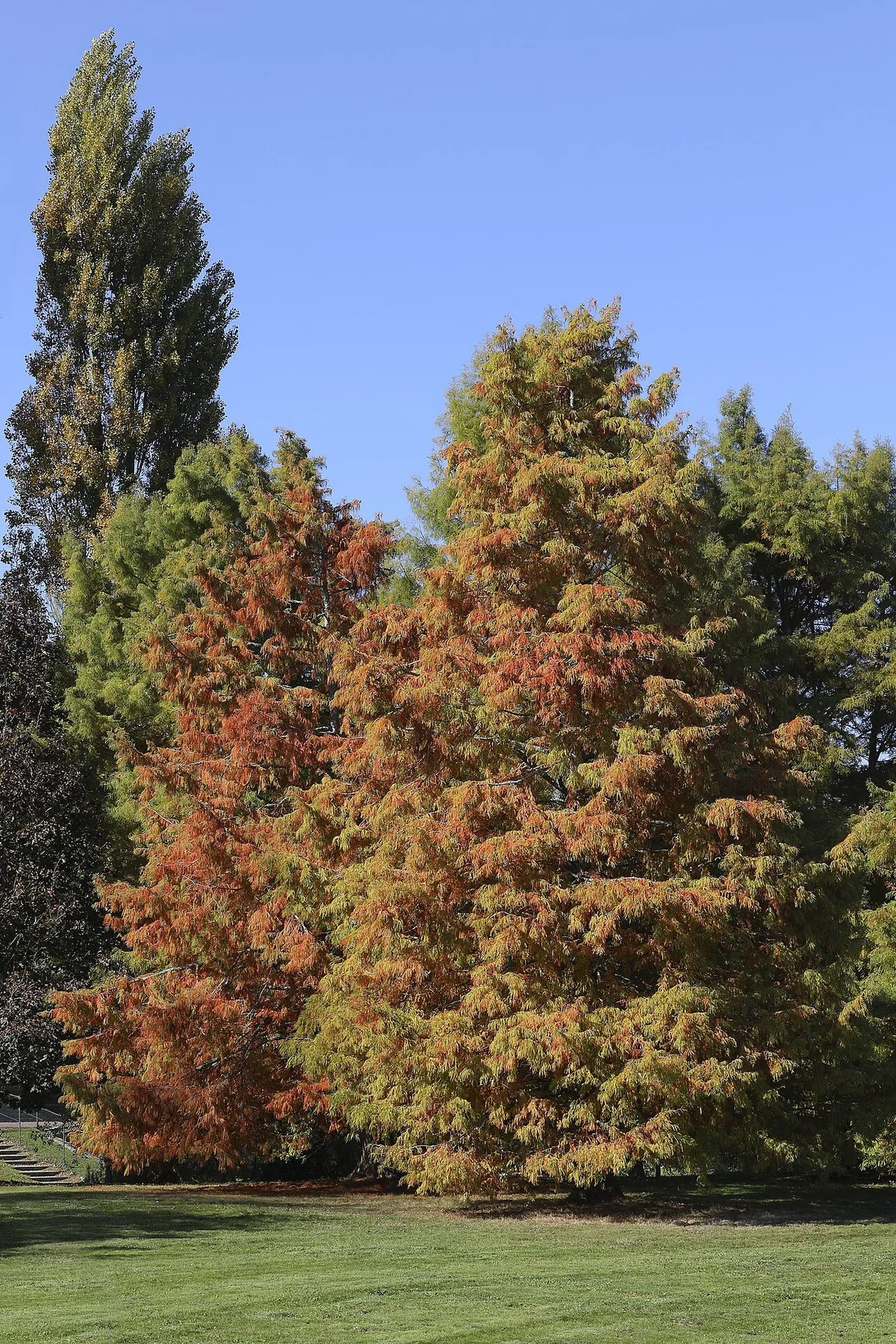
Bald Cypress
60–80 ft tall × 25–35 ft spread · Full sun to part shade · Loves wet
 Tree
FL Native
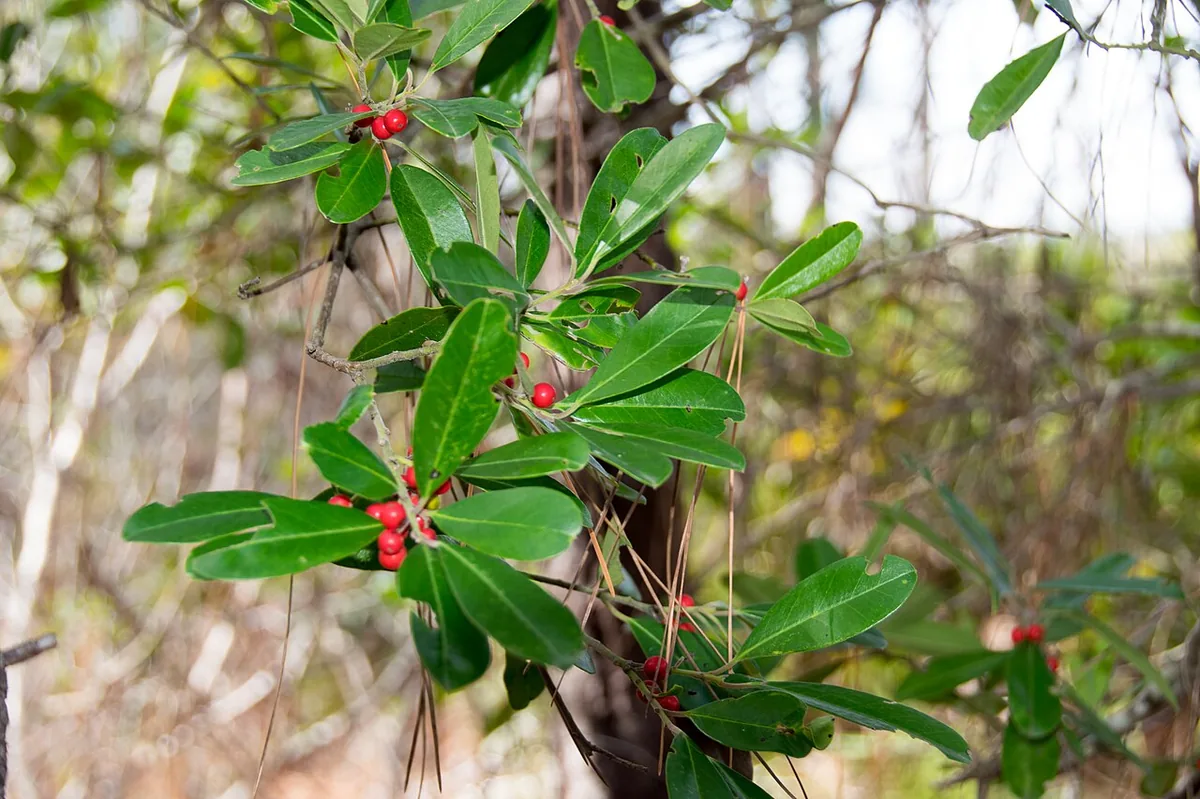
Dahoon Holly
20–30 ft tall × 8–12 ft spread (can reach 40 ft) · Full sun to part shade · Moderate