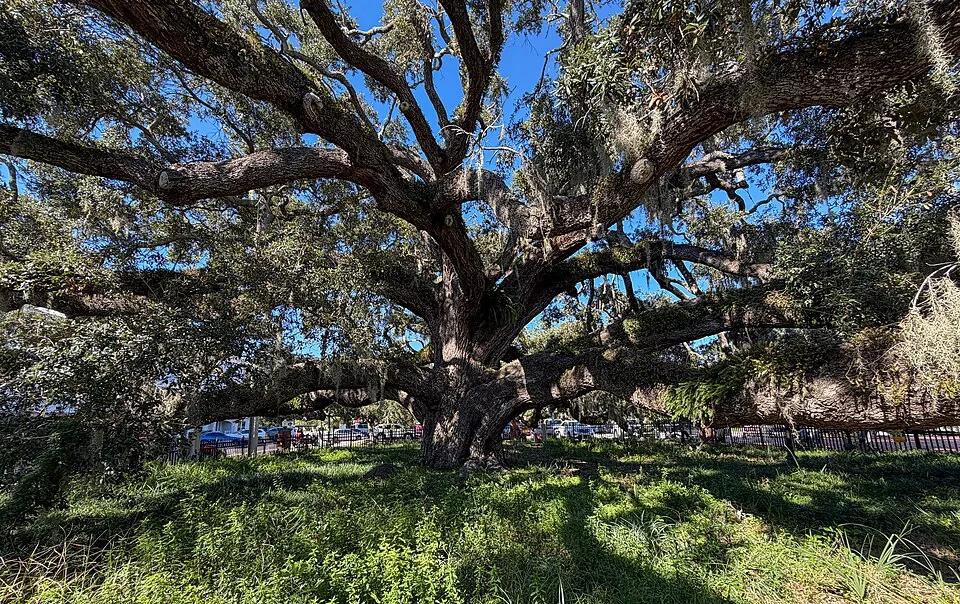
Live Oak
Quercus virginiana · Tree
| Mature Size | 60–80 ft tall × 60–120 ft spread |
|---|---|
| Sunlight | Full sun to part shade |
| Water | Moderate; drought-tolerant once established |
| Soil | Moist, acidic sand, loam, or clay; well-drained preferred; tolerates alkaline soil and salt |
| Bloom & Fruit | Spring — inconspicuous green catkins. Dark brown acorns, about ¾ in., in fall. |
Wildlife Value
A keystone tree. UF/IFAS counts 395 caterpillar species hosted by oaks in our Florida ecoregion — more than any other tree genus — including red-spotted purple and imperial moth larvae. Acorns feed birds and mammals, and the canopy carries Spanish moss and resurrection fern.
In Zone 9B (Spring Hill / Hernando)
Hardy in zones 7B–10B, so 9B winters are easy. Among the most wind-resistant trees in UF/IFAS hurricane research — dense wood, deep roots — though long heavy limbs can still break, so structure matters.
Grow Notes
- Plant only where the mature spread fits — well away from curbs, driveways, and utility lines; roots can lift and crack pavement.
- Prune annually for the first 5 years, then every 3 years to age 30, building a single dominant leader. Never top it.
Sources: UF/IFAS Gardening Solutions, “Live Oaks” & “Florida's Keystone Plants”; UF/IFAS hurricane wind-resistance research.
Pairs Well With in Zone 9B
 Tree
FL Native
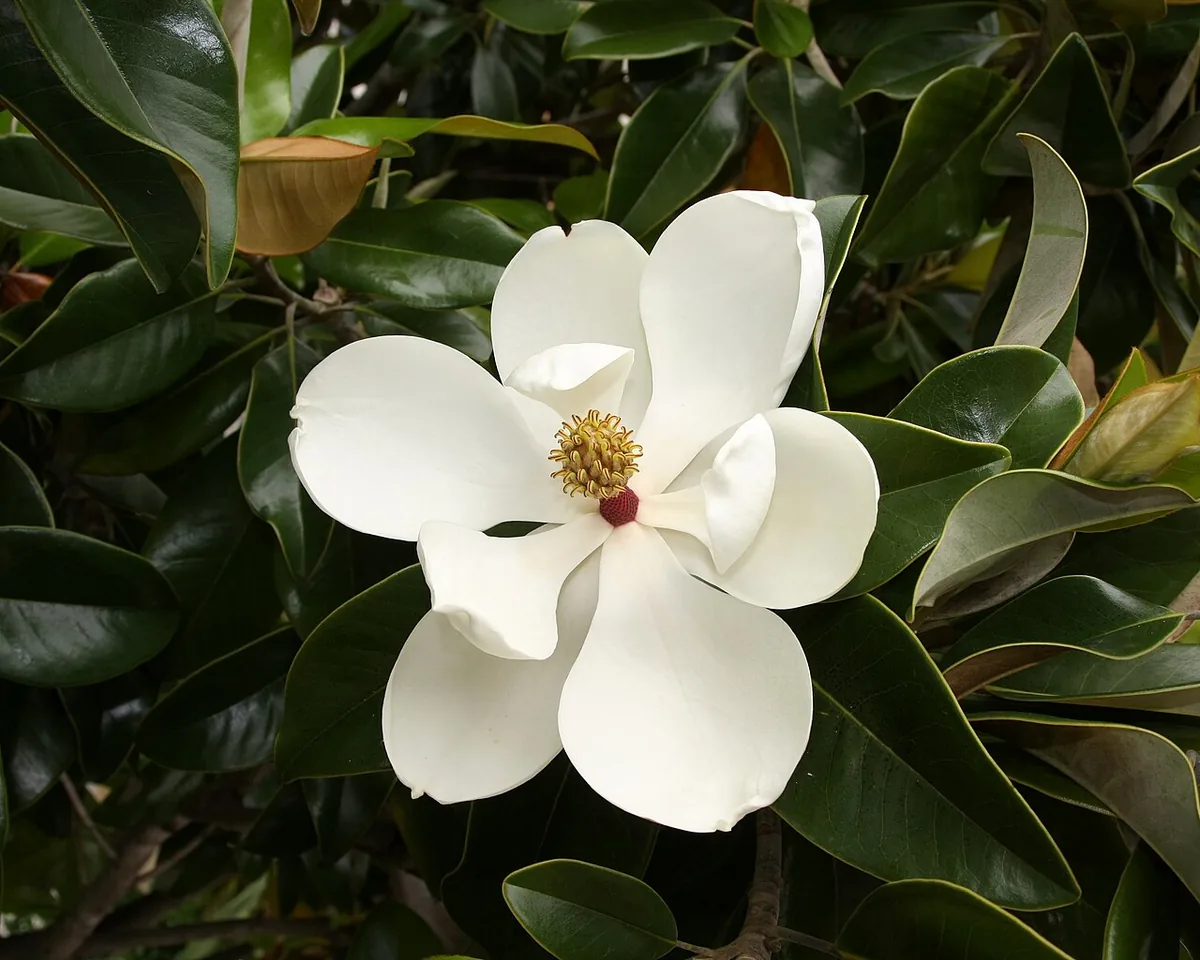
Southern Magnolia
60–80 ft tall × 30–40 ft spread · Full sun to part shade · Moderate
 Tree
FL Native
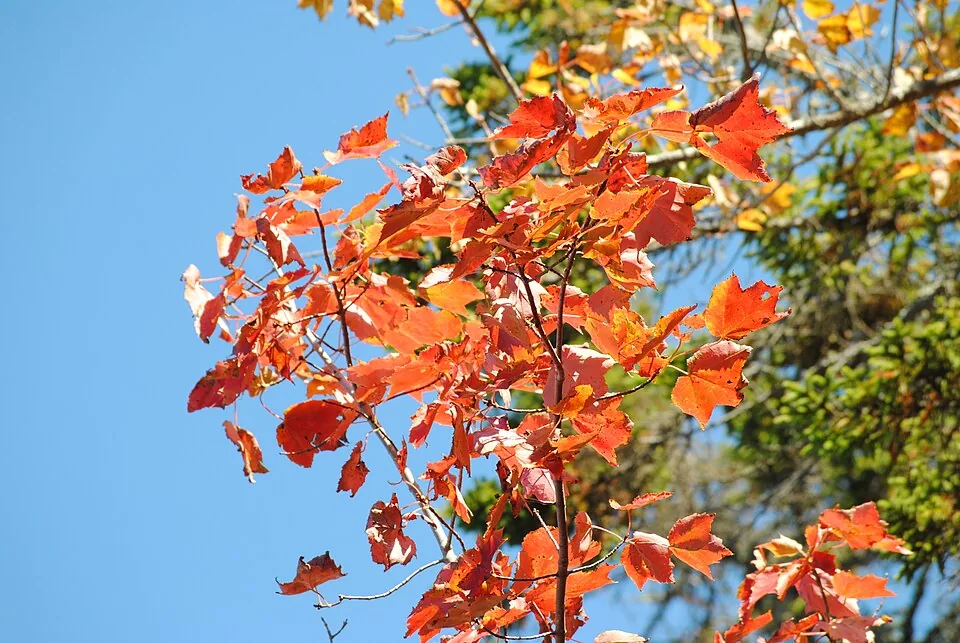
Red Maple
60–75 ft tall × 25–35 ft spread (often shorter in South Florida unless on a wet site) · Full sun to part shade · Moderate to high
 Tree
FL Native
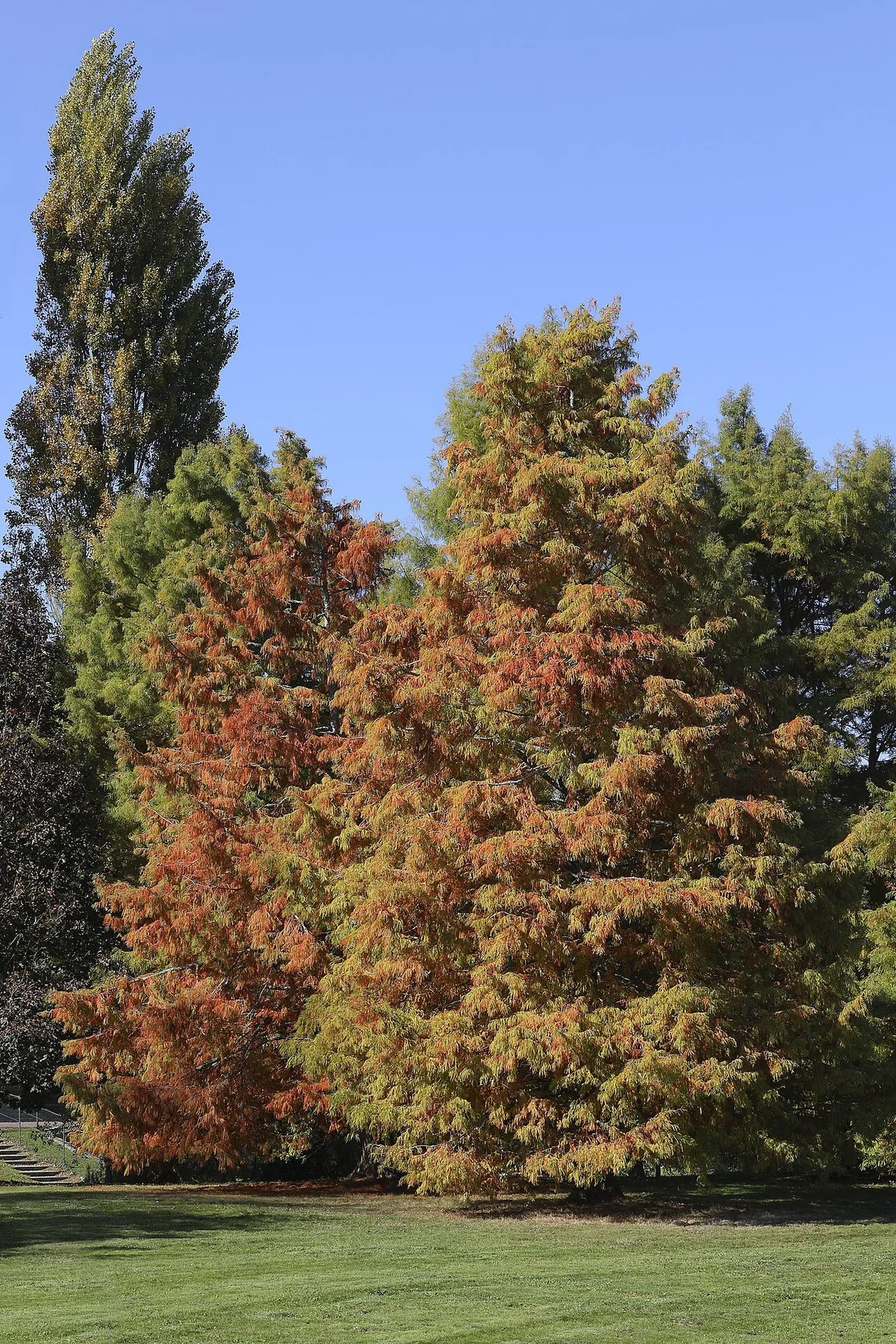
Bald Cypress
60–80 ft tall × 25–35 ft spread · Full sun to part shade · Loves wet