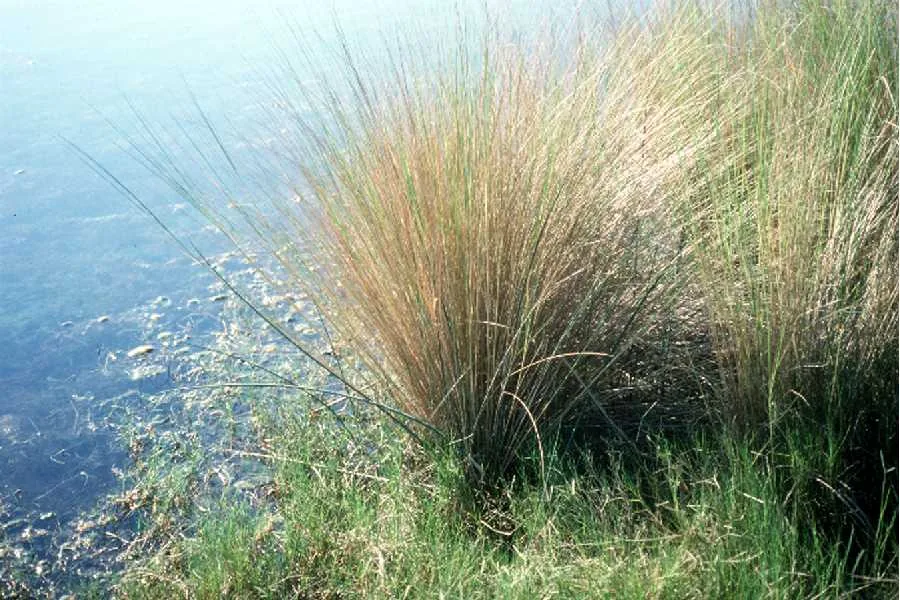
FL NativeGrassWet soil OK
Sand Cordgrass
Spartina bakeri · Grass
| Mature Size | 3–4 ft tall × 3–5 ft wide per clump; colonies can reach 18–20 ft across |
|---|---|
| Sunlight | Full sun |
| Water | Moderate to high — prefers moisture and tolerates periodic flooding; also highly drought-tolerant once established |
| Soil | Wet flatwoods, marsh edges, and pond borders in nature; adapts to drier conditions. Drought- and salt-tolerant per UF/IFAS |
| Bloom & Fruit | Brown flowers in spring — sparse and not showy. This grass is grown for form and function, not flowers. |
Wildlife Value
Used in erosion control and wetland restoration; provides cover in pond and shoreline plantings.
In Zone 9B (Spring Hill / Hernando)
USDA zones 8B–11 — fully hardy in 9B, and it can be planted year-round. UF/IFAS flags its invasive potential as “aggressive, spreading” — it's a native, but a vigorous one. Best Hernando County uses: rain garden, swale edge, pond or stream shoreline.
Grow Notes
- Give it space or a containment plan — it spreads aggressively by rhizomes; use it in mass plantings or contained beds, never tight mixed borders.
- Site it where it gets moisture at least seasonally; it sulks in a dry, unirrigated bed despite its drought rating.
Sources: UF/IFAS EDIS FP554; UF/IFAS Gardening Solutions, “Native Grasses.”
Pairs Well With in Zone 9B
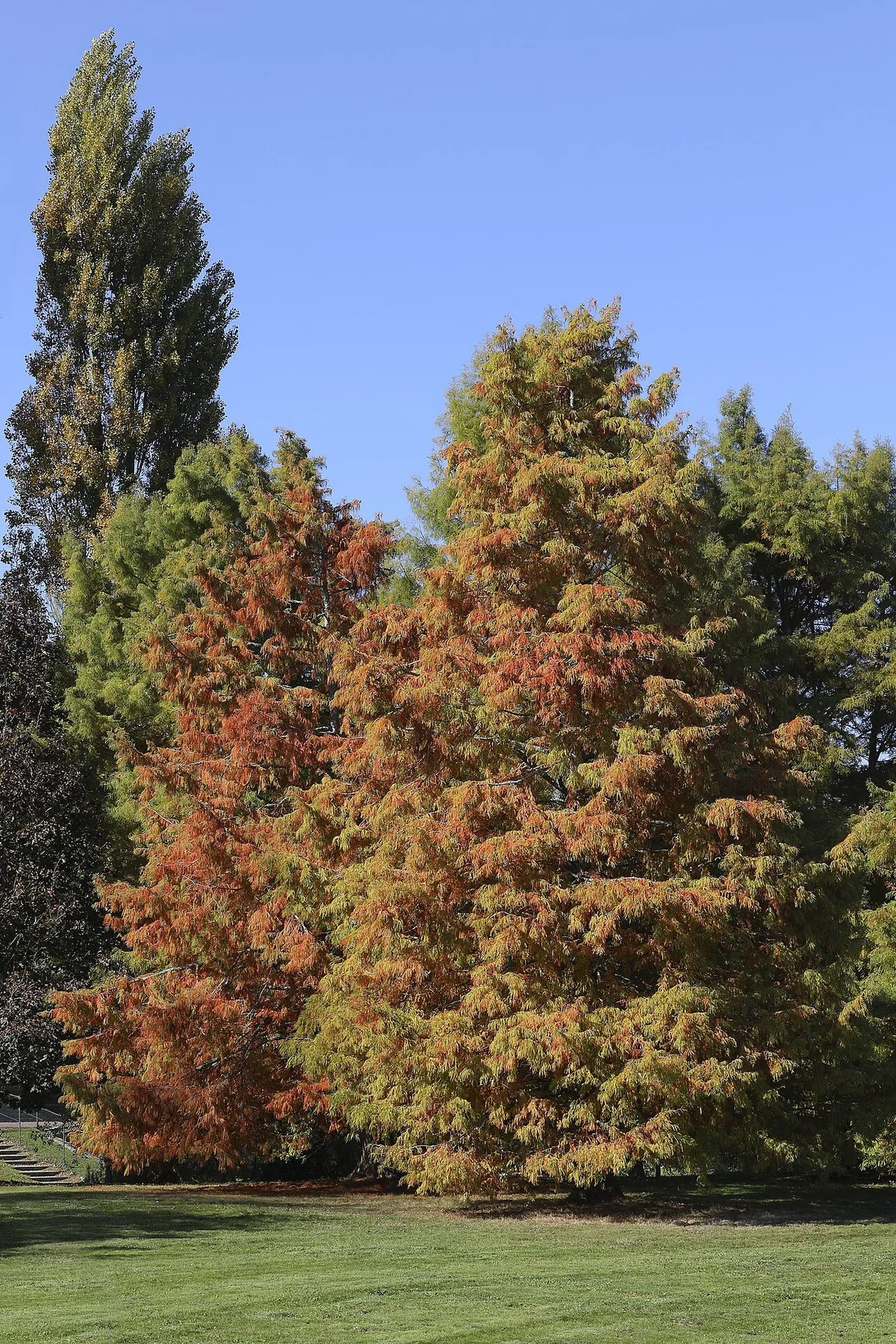 Tree
FL Native
Bald Cypress
Taxodium distichum
60–80 ft tall × 25–35 ft spread · Full sun to part shade · Loves wet
FL NativeTree
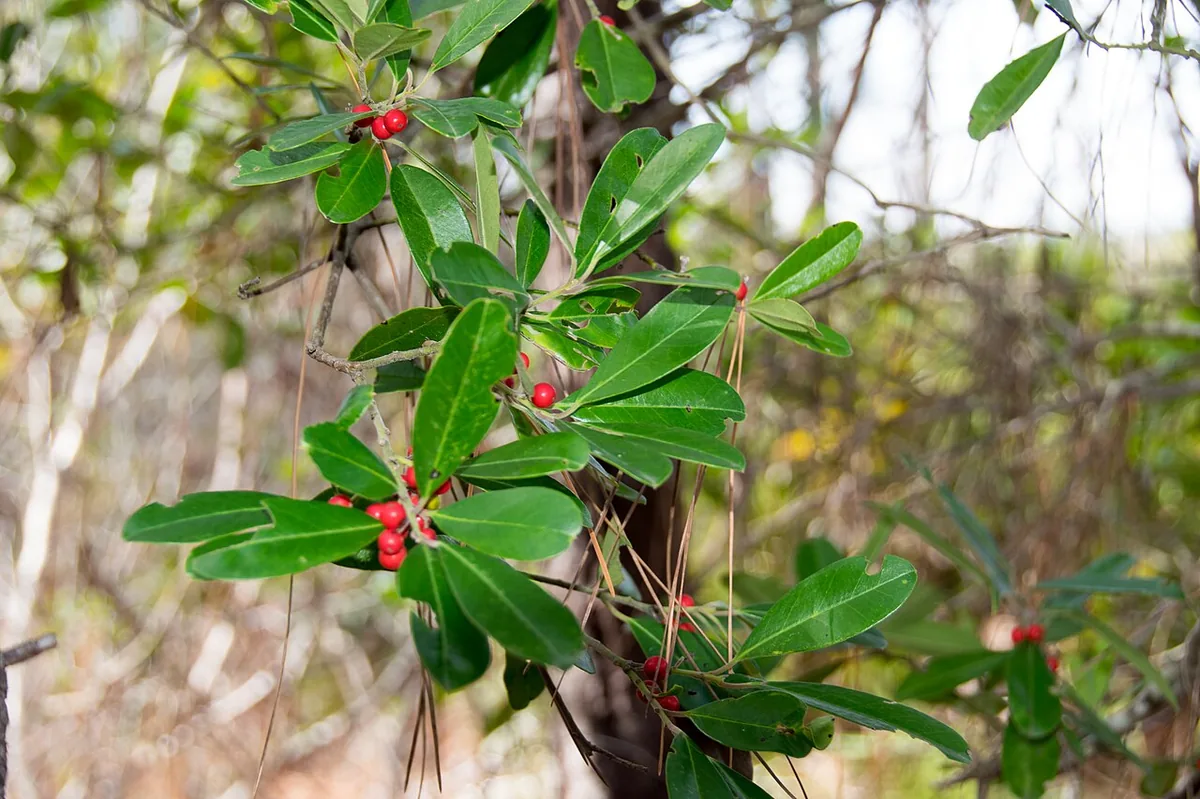 Tree
FL Native
Dahoon Holly
Ilex cassine
20–30 ft tall × 8–12 ft spread (can reach 40 ft) · Full sun to part shade · Moderate
FL NativeTree
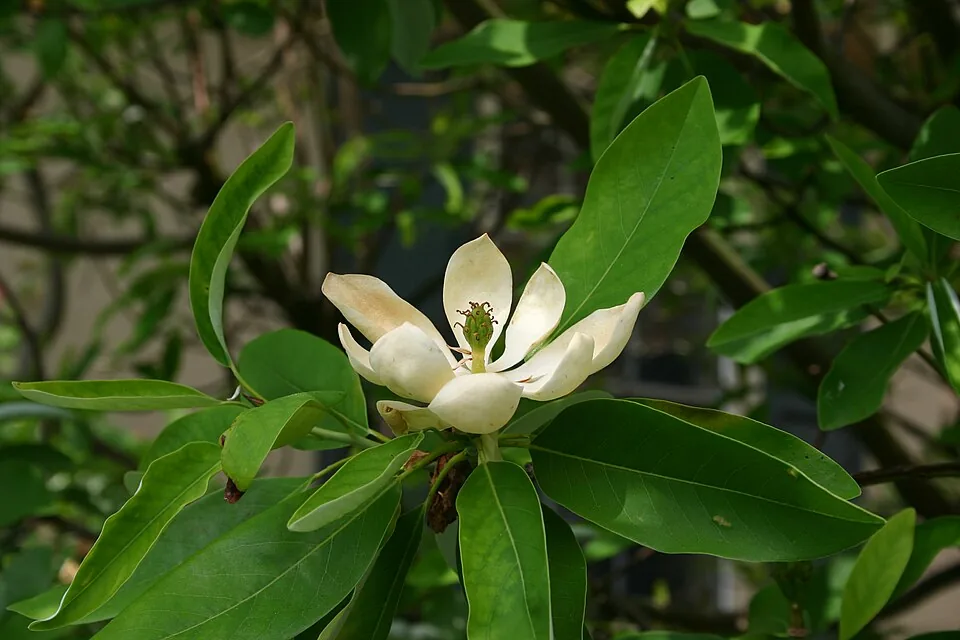 Tree
FL Native
Sweetbay Magnolia
Magnolia virginiana
40–50 ft tall × 15–25 ft spread, narrow and columnar · Full sun to part shade · High
FL NativeTreeButterfly host