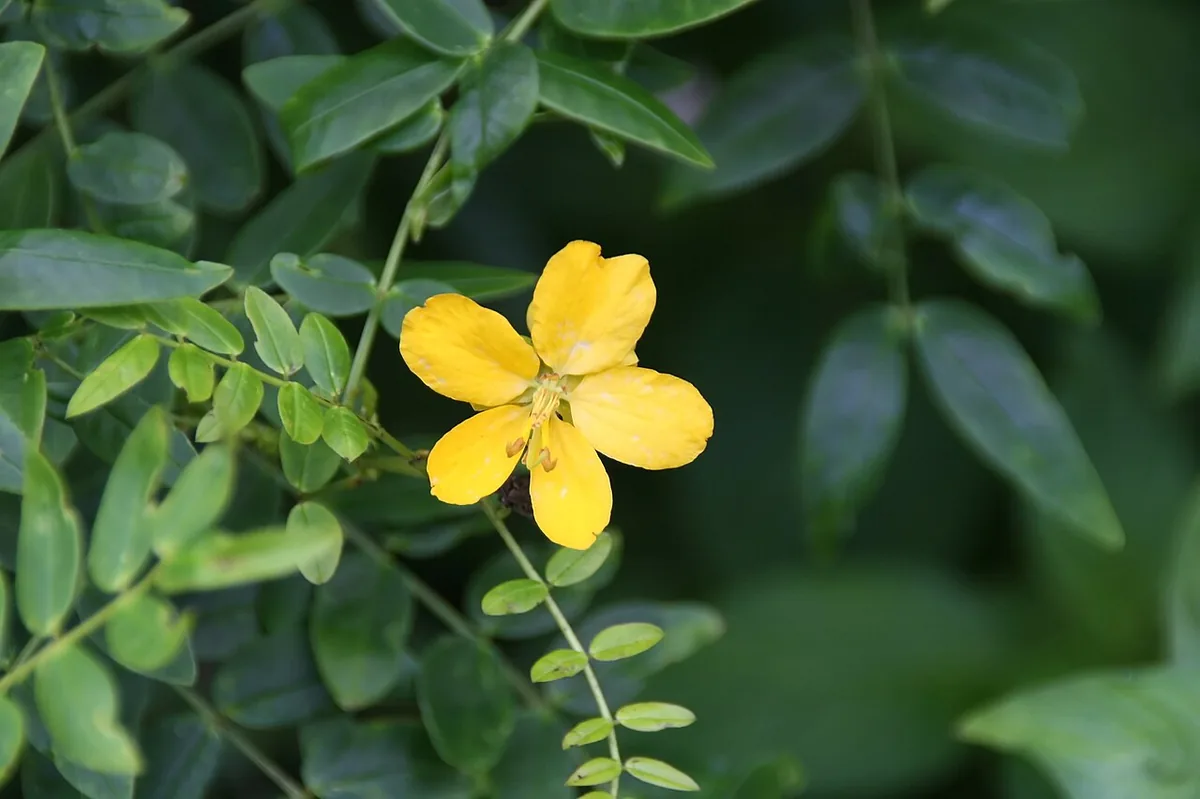
Bahama Senna
Senna mexicana var. chapmanii · Shrub
Zone 9B Honesty Check
Tender trial plant in 9B — warmest sheltered spot, or a container.
| Mature Size | 2–4 ft tall × 3–6 ft spread; short-lived |
|---|---|
| Sunlight | Full sun to part sun |
| Water | Low to moderate; dry to slightly moist, well-drained soil |
| Soil | Well-drained sandy or calcareous soils; very salt tolerant, even of brief saltwater inundation |
| Bloom & Fruit | Small, showy yellow flowers — five petals, red-orange anthers — through much of the year, heaviest October–July in its home range. Slender 3–6 in. seed pods follow. |
Wildlife Value
Verified larval host for the cloudless sulphur and sleepy orange butterflies (and the introduced orange-barred sulphur). Bumblebees and other solitary bees work the flowers. State-listed as threatened in Florida.
In Zone 9B (Spring Hill / Hernando)
Marginal in 9B — flagged prominently, because it deserves it. UF/IFAS lists zones 10A–11; it's native only to extreme South Florida and the Keys. In Hernando County, expect freeze damage or loss in cold winters: grow it in the warmest sheltered microclimate, in a container you can protect, or as a tender short-lived plant — and expect a shorter bloom season than South Florida's.
Grow Notes
- Buy only from a native nursery and confirm Senna mexicana var. chapmanii on the tag — similar-looking non-native sennas include a Category I invasive.
- Allow room for its spread, cut back in spring every few years to rejuvenate, and let it self-seed — individual plants are short-lived.
Sources: UF/IFAS EDIS FP111; FNPS Plant Database; Florida Wildflower Foundation.
Pairs Well With in Zone 9B
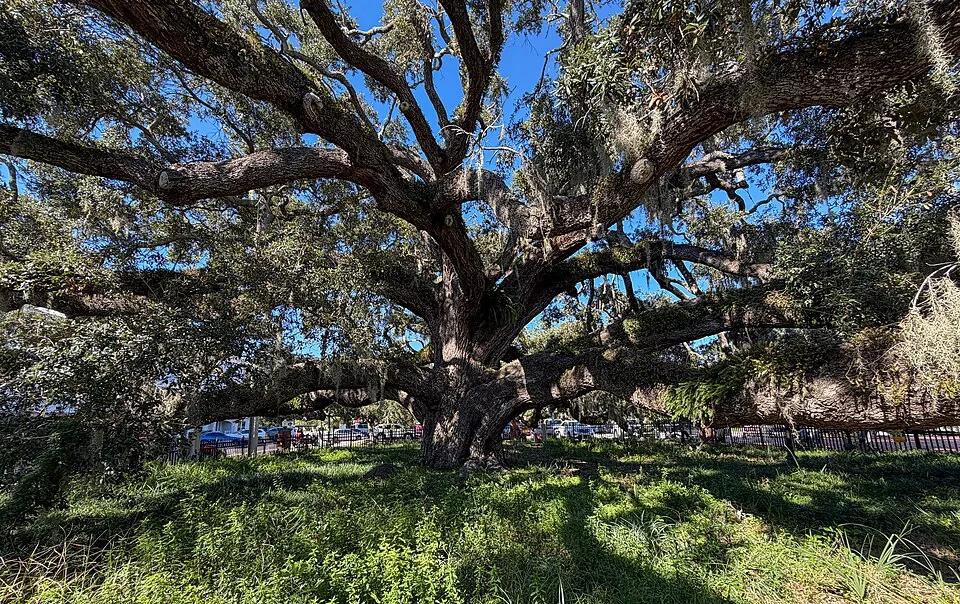 Tree
FL Native
Live Oak
60–80 ft tall × 60–120 ft spread · Full sun to part shade · Moderate
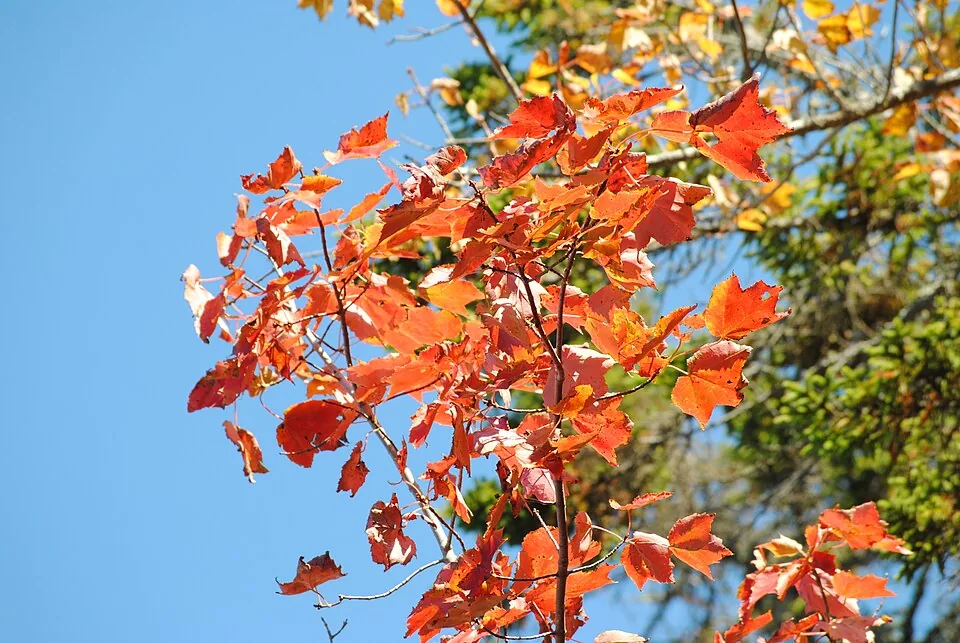 Tree
FL Native
Red Maple
60–75 ft tall × 25–35 ft spread (often shorter in South Florida unless on a wet site) · Full sun to part shade · Moderate to high
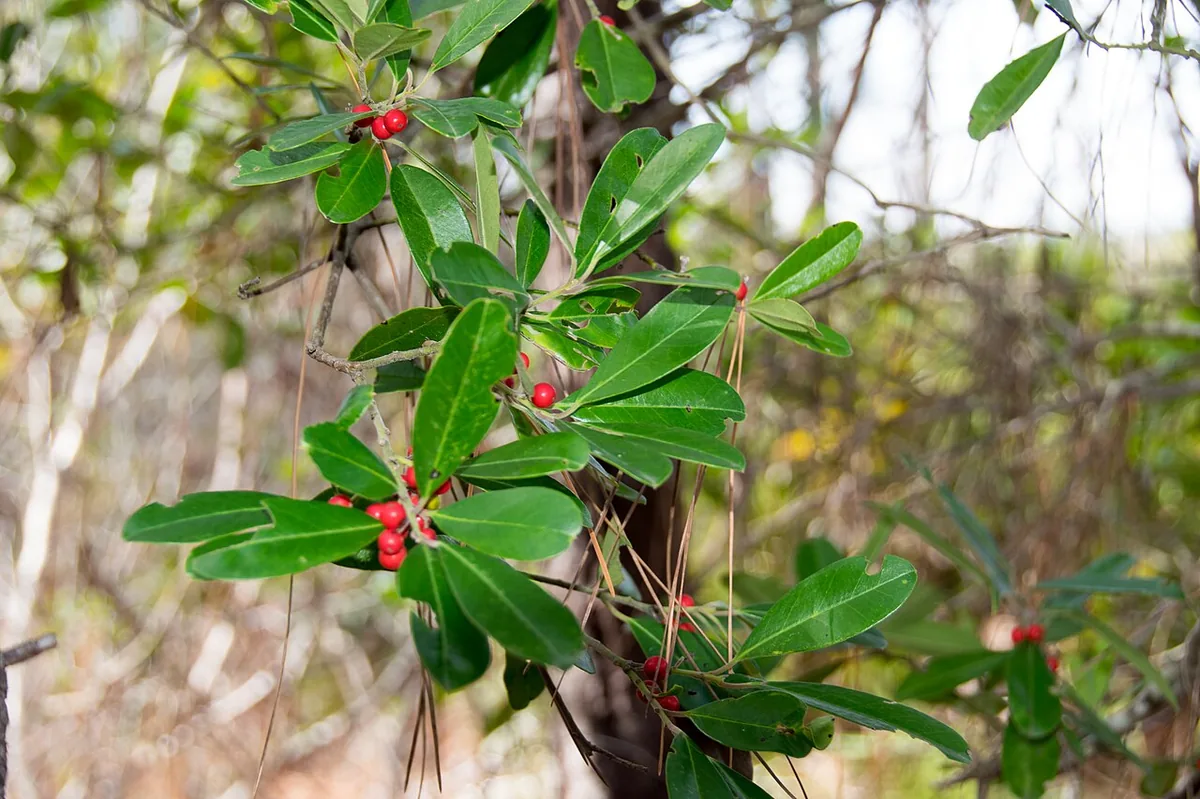 Tree
FL Native
Dahoon Holly
20–30 ft tall × 8–12 ft spread (can reach 40 ft) · Full sun to part shade · Moderate