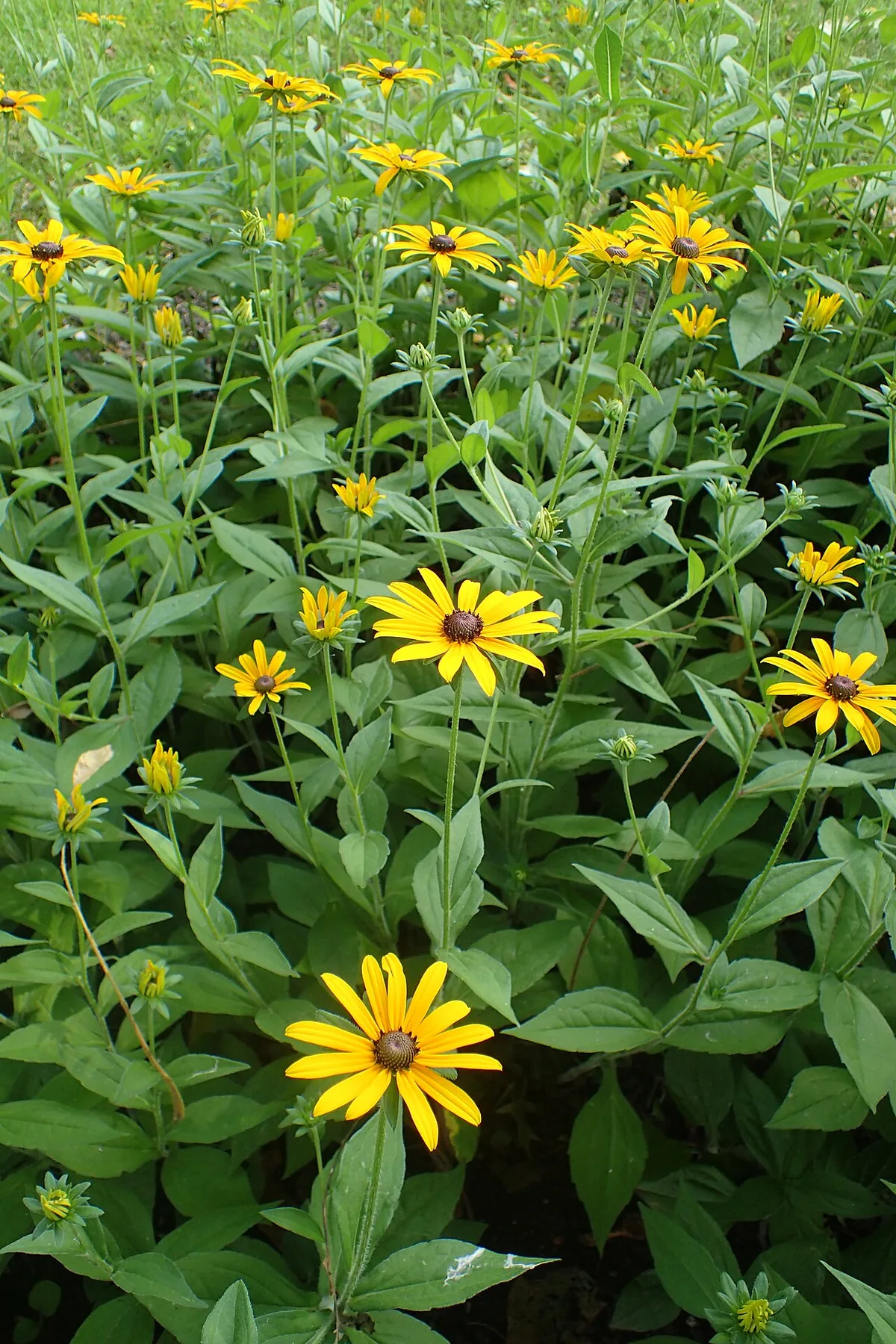
Black-eyed Susan
Rudbeckia hirta · Wildflower
Zone 9B Honesty Check
At its warm edge in 9B — sow in the cool season and let it self-seed.
| Mature Size | 2–3 ft tall × 1–2 ft wide, clumping; short-lived perennial that reseeds |
|---|---|
| Sunlight | Full sun |
| Water | Low to moderate; drought- and salt-tolerant once established, but needs drainage, not standing water |
| Soil | Not picky — well-drained soils from sandy to clay, across a wide pH range |
| Bloom & Fruit | Golden-yellow petals around a dark brown-black center, summer and fall. |
Wildlife Value
A nectar source for butterflies, bees, and other beneficial insects.
In Zone 9B (Spring Hill / Hernando)
UF/IFAS Pasco County gives zones 3–9 — so 9B sits just past its listed top, and we flag it as a warm-edge plant: expect a shorter life here, with best performance from cool-season sowing (spring, or fall per UF/IFAS cut-flower guidance) blooming through summer. It replaces itself by self-seeding, so a patch persists even as individual plants turn over.
Grow Notes
- Deadhead spent flowers to prolong blooming.
- Sow seed on the surface in a sunny, well-drained spot — it needs light to germinate. No extra fertilizer needed.
Sources: UF/IFAS Gardening Solutions, “Native Yellow Daisies”; UF/IFAS Pasco & Marion County Extension.
Pairs Well With in Zone 9B
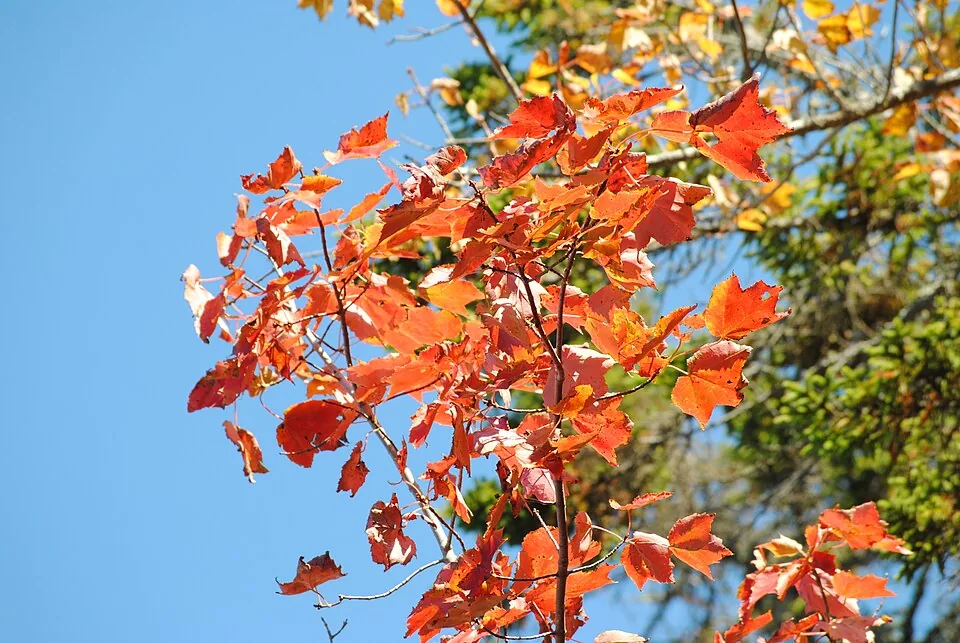 Tree
FL Native
Red Maple
60–75 ft tall × 25–35 ft spread (often shorter in South Florida unless on a wet site) · Full sun to part shade · Moderate to high
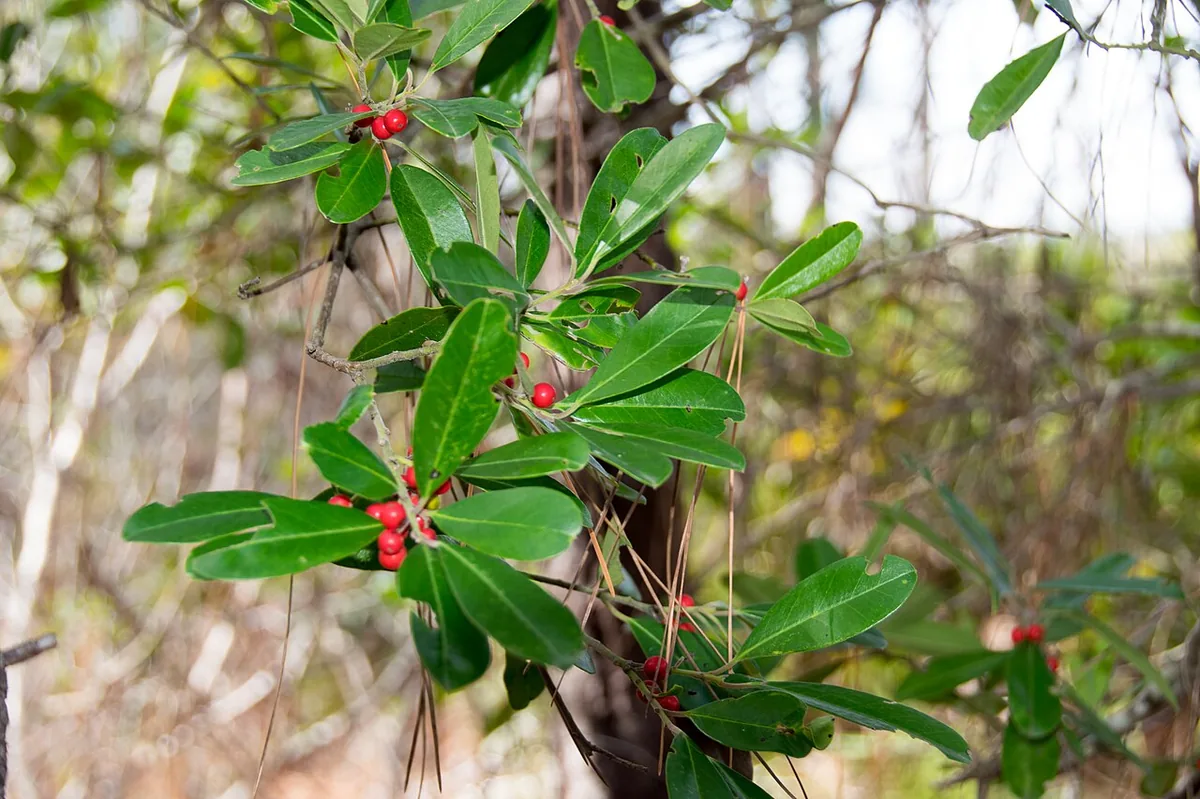 Tree
FL Native
Dahoon Holly
20–30 ft tall × 8–12 ft spread (can reach 40 ft) · Full sun to part shade · Moderate
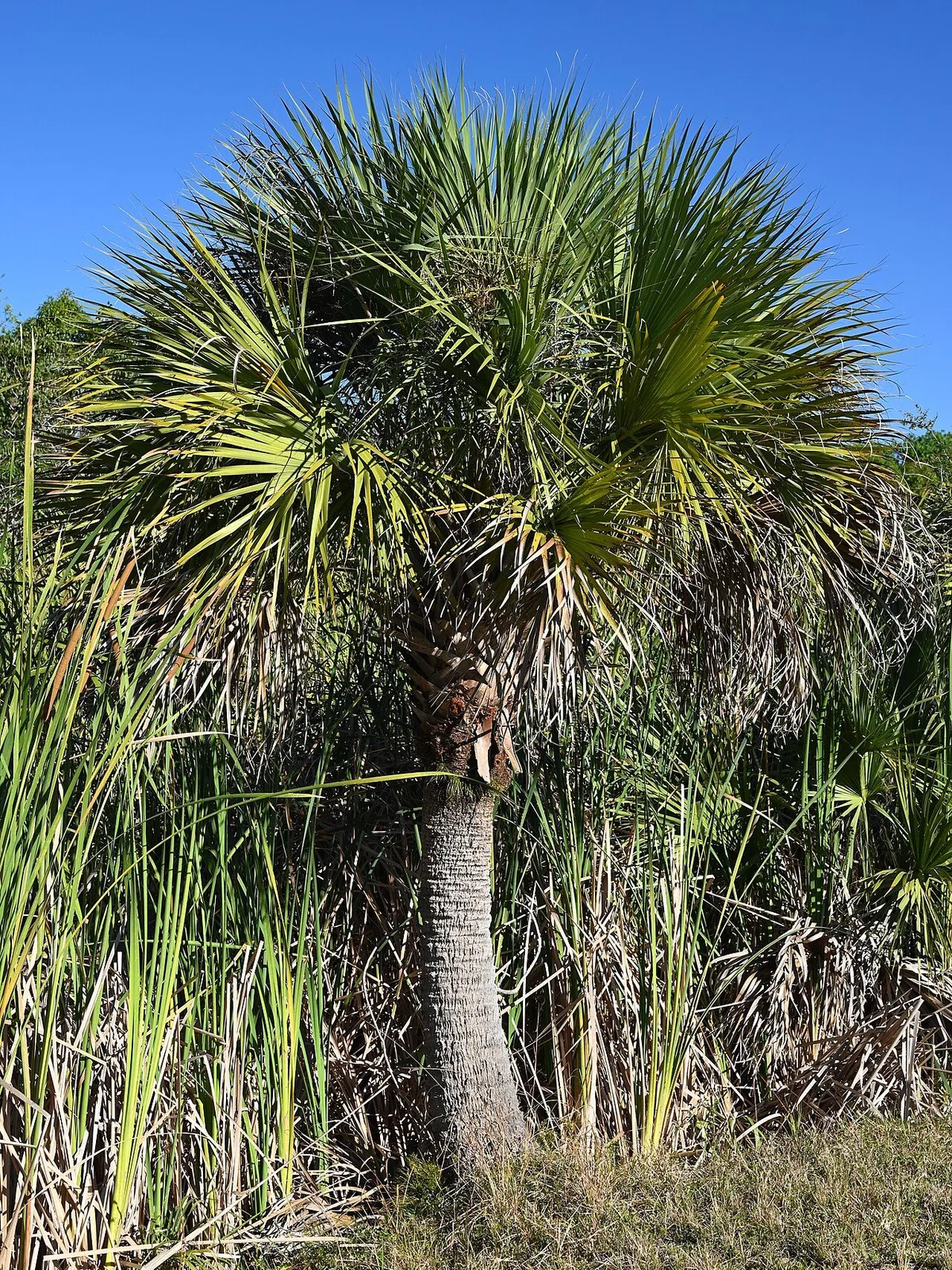 Tree
FL Native
Cabbage Palm (Sabal Palm)
Trunk to about 40 ft (30–80 ft overall range) · Full sun to part shade · Moderate while establishing