FL NativeTreeNative beesBird food
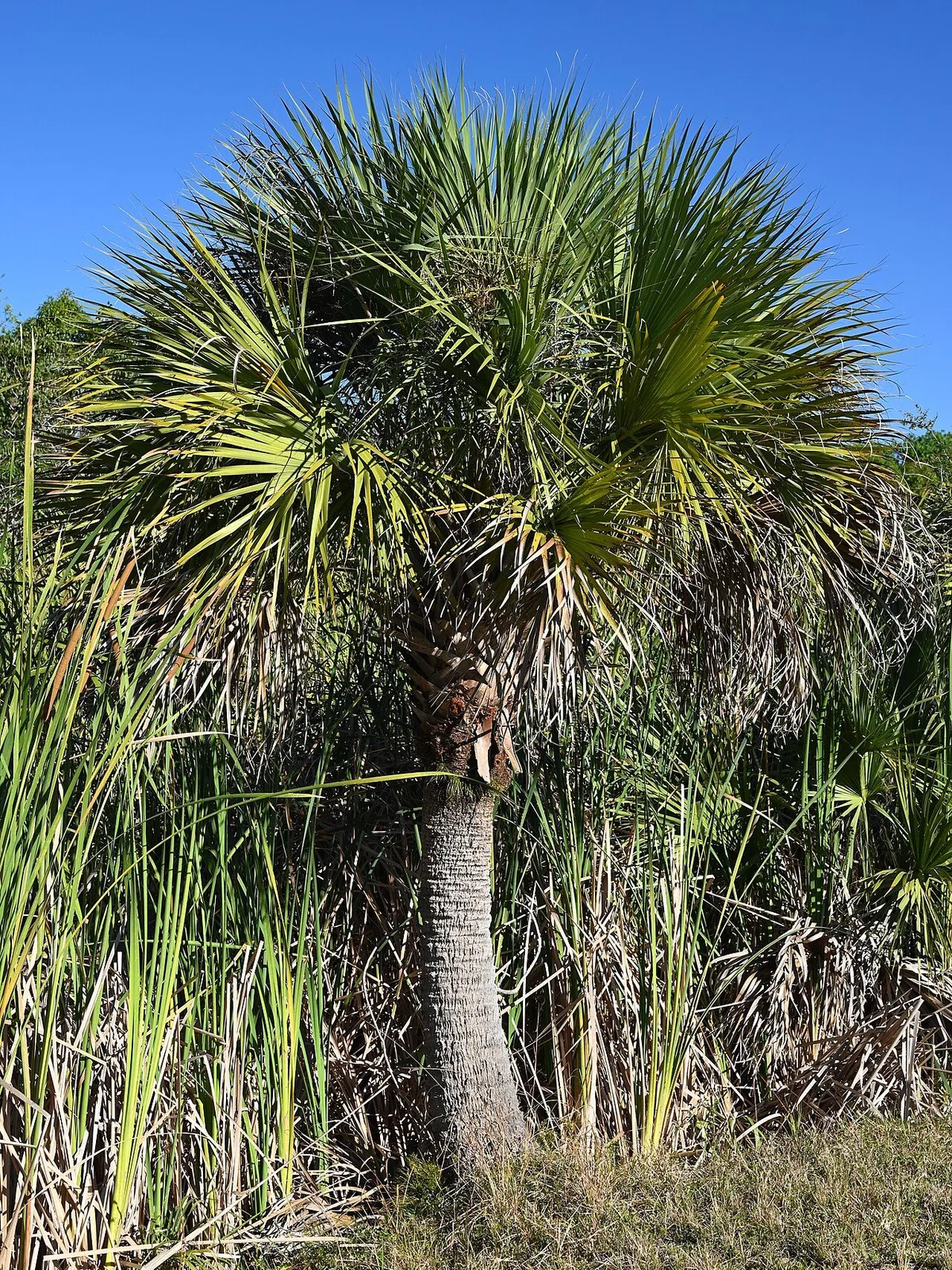
Cabbage Palm (Sabal Palm)
Sabal palmetto · Tree
| Mature Size | Trunk to about 40 ft (30–80 ft overall range) |
|---|---|
| Sunlight | Full sun to part shade (fullest crown in sun) |
| Water | Moderate while establishing; very tough once settled |
| Soil | Highly adaptable — sand, loam, or clay, dry to seasonally wet. Tolerates salt spray on foliage, but not salt in the root zone |
| Bloom & Fruit | Late spring — branched flower stalks extend beyond the leaves carrying thousands of tiny, fragrant, creamy-white flowers. Small black fruit follows in late summer. |
Wildlife Value
A major bee plant — those thousands of fragrant flowers are a nectar event. Black fruits feed birds, raccoons, and other mammals through fall and winter. Florida's state tree.
In Zone 9B (Spring Hill / Hernando)
Cold-hardy to about 15°F, so 9B lows are comfortable. UF/IFAS lists it in the most wind-resistant group: it may shed fronds in a hurricane but usually stands.
Grow Notes
- Never “hurricane-cut” a palm — palms cut that way were far more likely to snap in the 2004–05 hurricanes. Prune only fully dead fronds.
- Plant at exactly its original depth (deeper can suffocate roots), expect 8+ months of re-establishment, and fertilize 3× a year with 8-2-12-4Mg palm fertilizer. Buy nursery-grown, never collected from natural stands.
Sources: UF/IFAS EDIS ST575; UF/IFAS Gardening Solutions, “Sabal Palmetto.”
Pairs Well With in Zone 9B
 Tree
FL Native
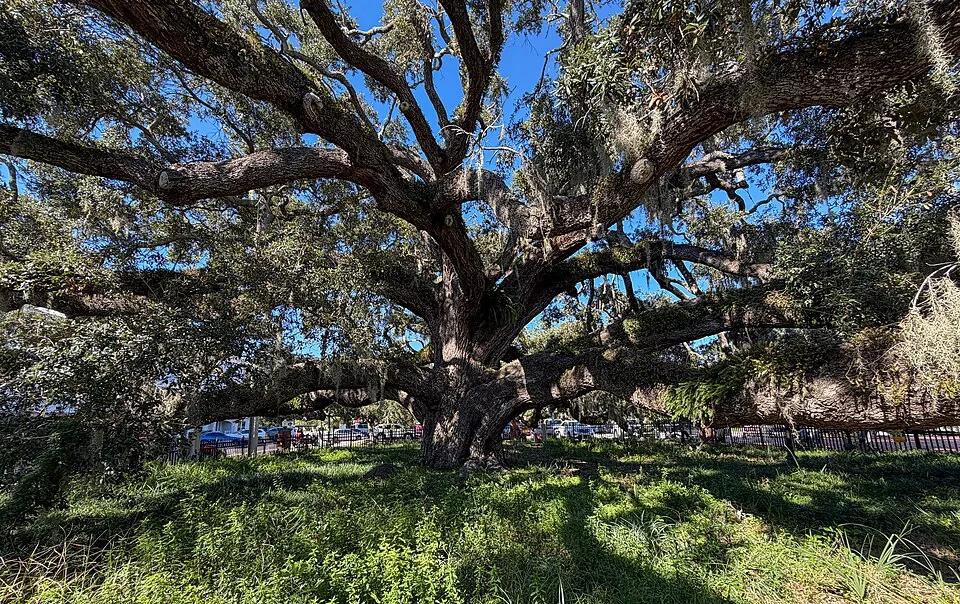
Live Oak
Quercus virginiana
60–80 ft tall × 60–120 ft spread · Full sun to part shade · Moderate
FL NativeTreeButterfly host
 Tree
FL Native
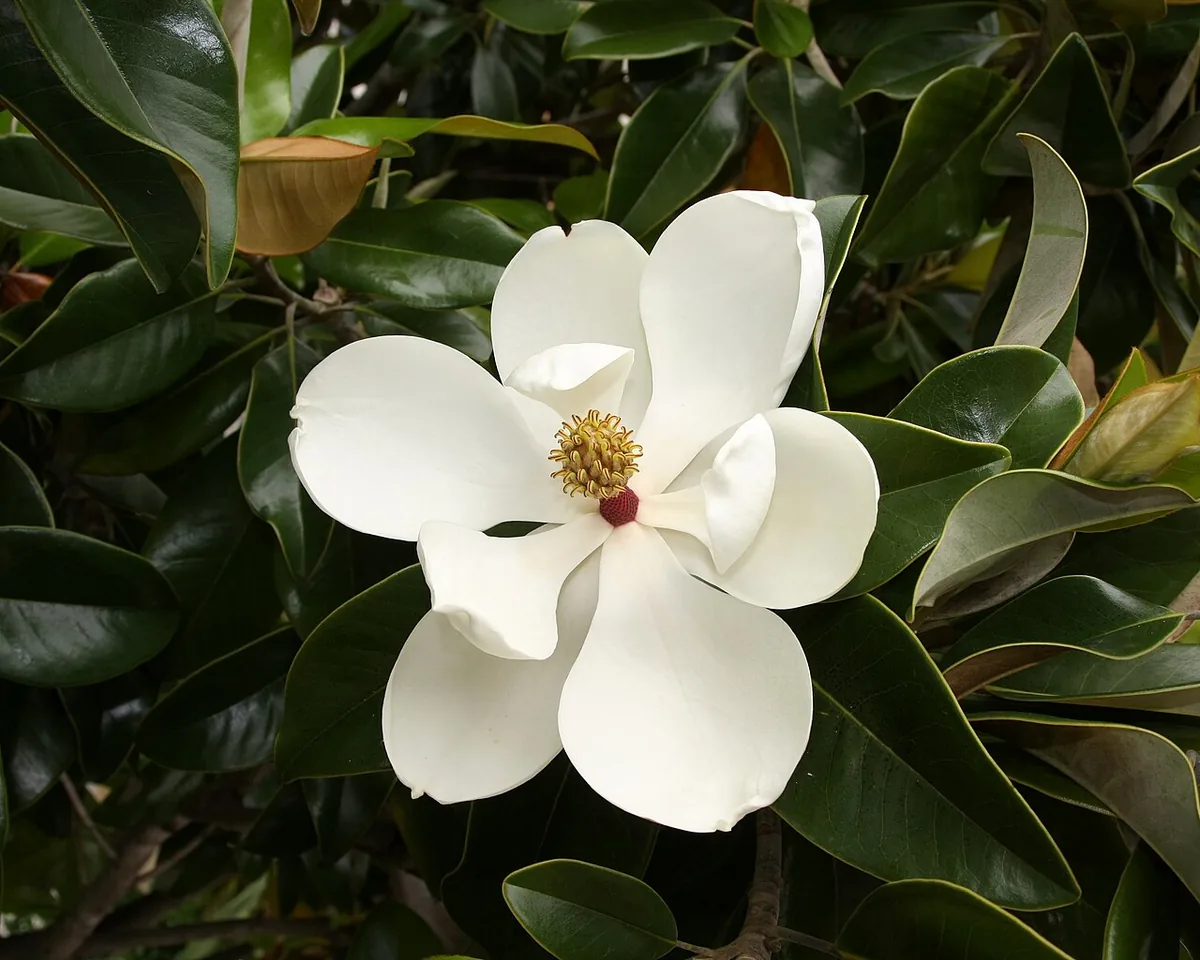
Southern Magnolia
Magnolia grandiflora
60–80 ft tall × 30–40 ft spread · Full sun to part shade · Moderate
FL NativeTree
 Tree
FL Native
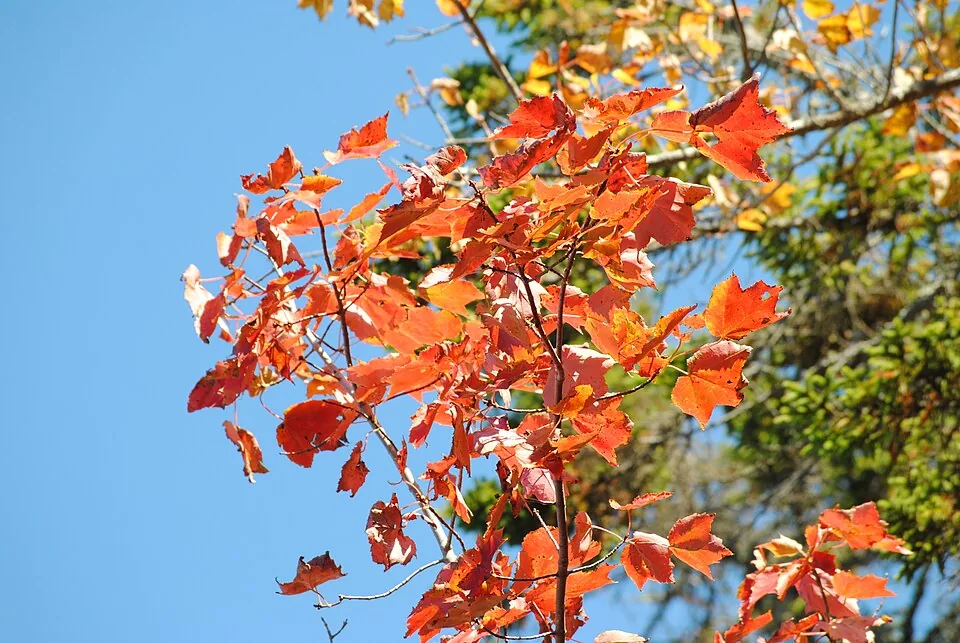
Red Maple
Acer rubrum
60–75 ft tall × 25–35 ft spread (often shorter in South Florida unless on a wet site) · Full sun to part shade · Moderate to high
FL NativeTree9B Cold Edge