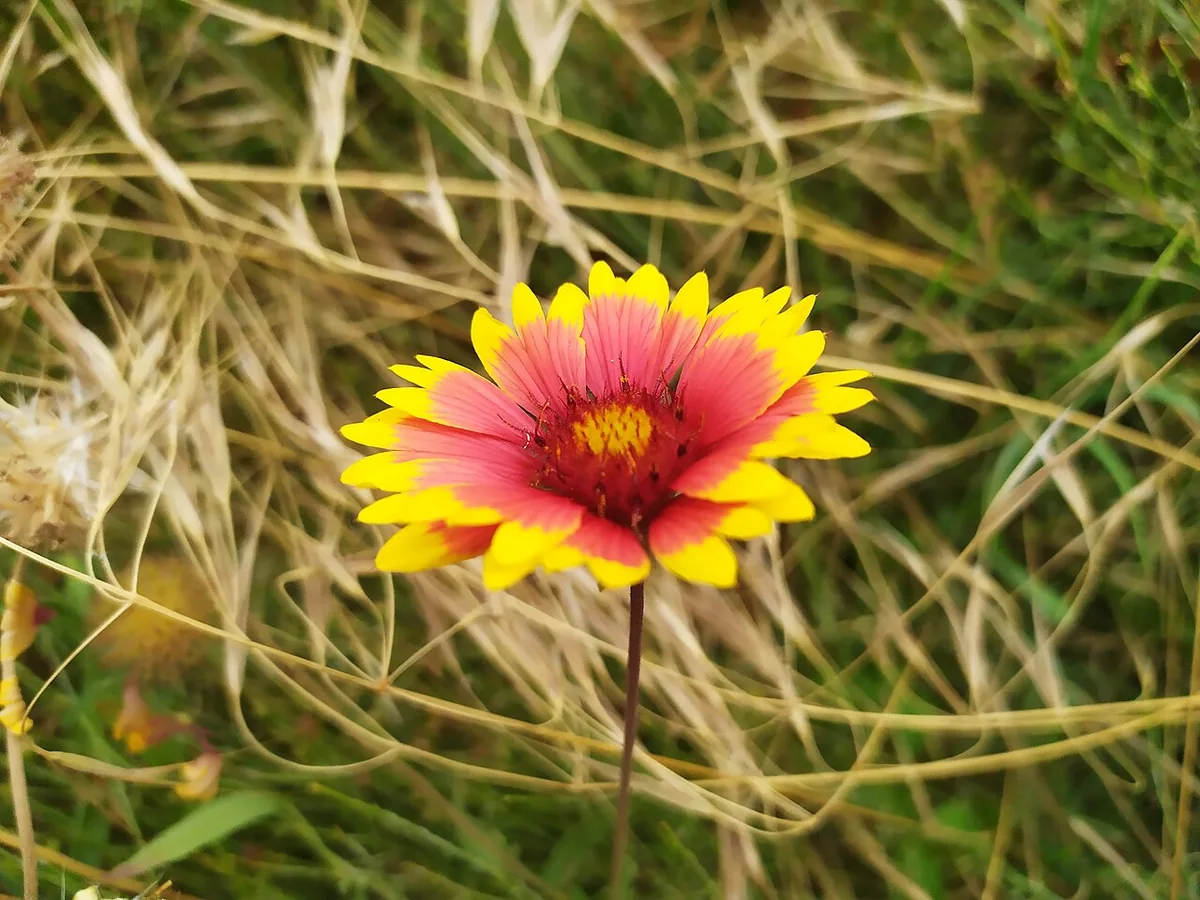
Blanketflower
Gaillardia pulchella · Wildflower
Florida-Friendly Status Check
Florida-Friendly non-native (evaluated safe by UF/IFAS) — if you want a 100% true Florida native, substitute lanceleaf blanketflower (Gaillardia aestivalis).
| Mature Size | 1–2 ft tall × 2–3 ft wide, spreading |
|---|---|
| Sunlight | Full sun |
| Water | Low; high drought tolerance once established — do not overwater (root rot) |
| Soil | Light, very well-drained soils; tolerates acidic, alkaline, sand, and loam. Good salt tolerance — excellent in Hernando County sand, even at the beach |
| Bloom & Fruit | Summer and fall — 2–3 in. daisies in yellow, orange, red, or bicolor (the typical wild form is red with yellow-tipped petals). |
Wildlife Value
The brilliant blossoms are quite attractive to butterflies, and it's an excellent nectar and pollen resource for bees.
In Zone 9B (Spring Hill / Hernando)
Hardy zones 3–11 and one of the toughest hot-summer performers here — heat, sun, sand, drought, and salt don't faze it, and it self-seeds freely. The honest catch: UF/IFAS Gardening Solutions reports that recent work (Weakley 2020) indicates G. pulchella is not actually native to Florida — it's native to the southwestern US and likely arrived in the East in recent centuries. It stays on UF/IFAS's Florida-Friendly list, but if you want a true Florida native, plant lanceleaf blanketflower (Gaillardia aestivalis), native to north and central Florida, instead.
Grow Notes
- Plant in an open, full-sun site with sharp drainage; space 12–18 in. apart (2–3 ft in mass plantings).
- Water sparingly once established and skip fertilizer — overwatering and overfeeding are the main killers.
Sources: UF/IFAS EDIS FP216; UF/IFAS Gardening Solutions, “Gaillardia” (native-status correction, Weakley 2020).
Pairs Well With in Zone 9B
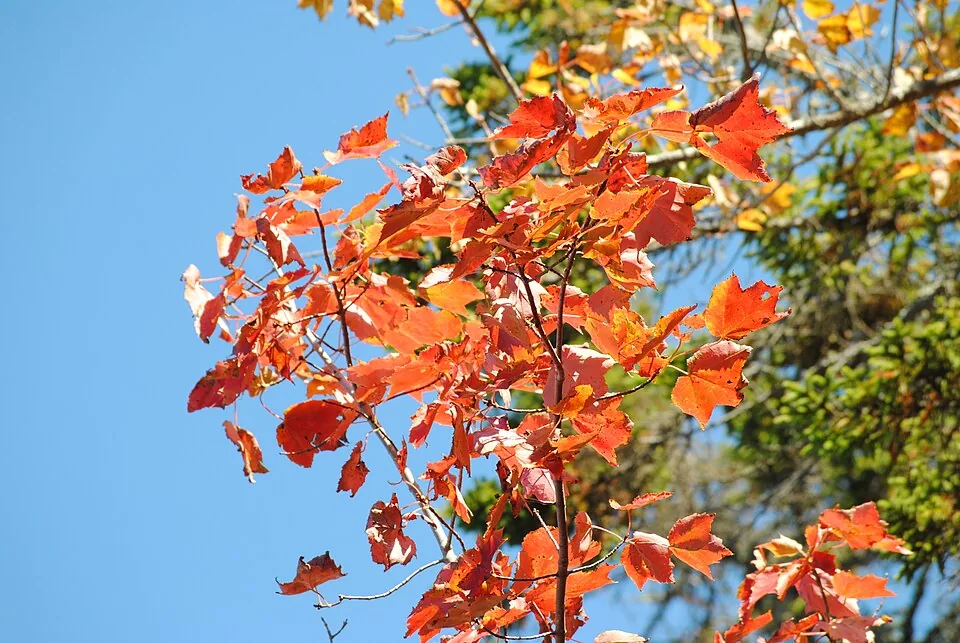 Tree
FL Native
Red Maple
60–75 ft tall × 25–35 ft spread (often shorter in South Florida unless on a wet site) · Full sun to part shade · Moderate to high
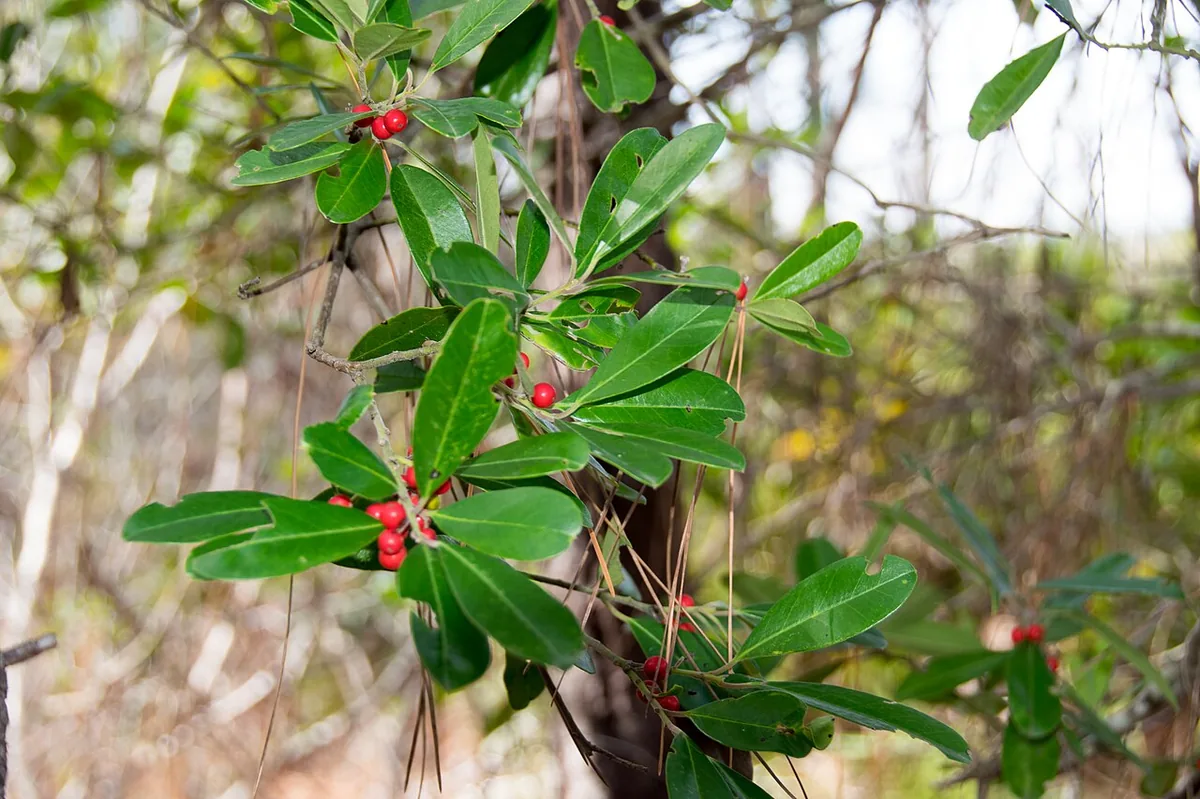 Tree
FL Native
Dahoon Holly
20–30 ft tall × 8–12 ft spread (can reach 40 ft) · Full sun to part shade · Moderate
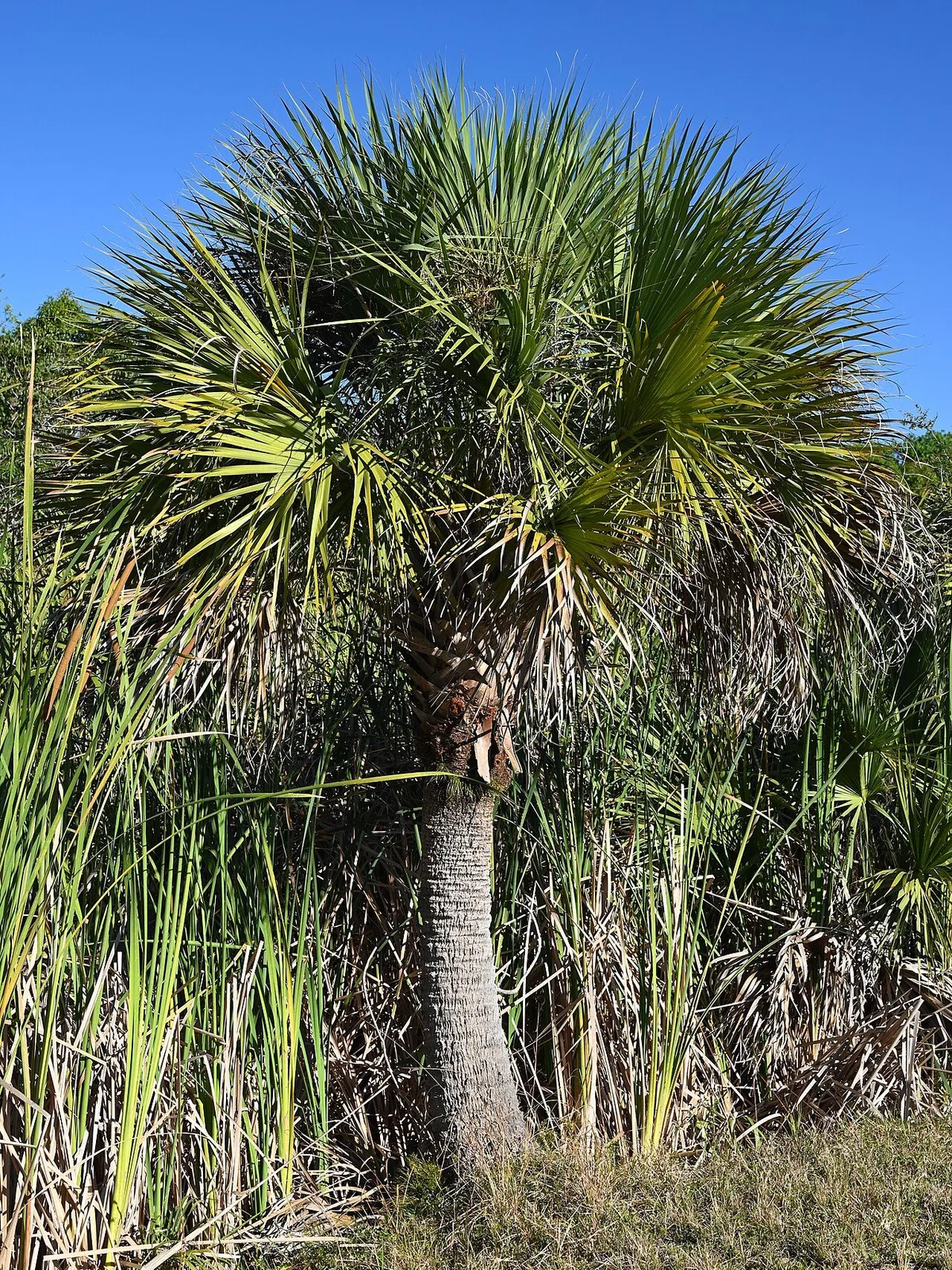 Tree
FL Native
Cabbage Palm (Sabal Palm)
Trunk to about 40 ft (30–80 ft overall range) · Full sun to part shade · Moderate while establishing