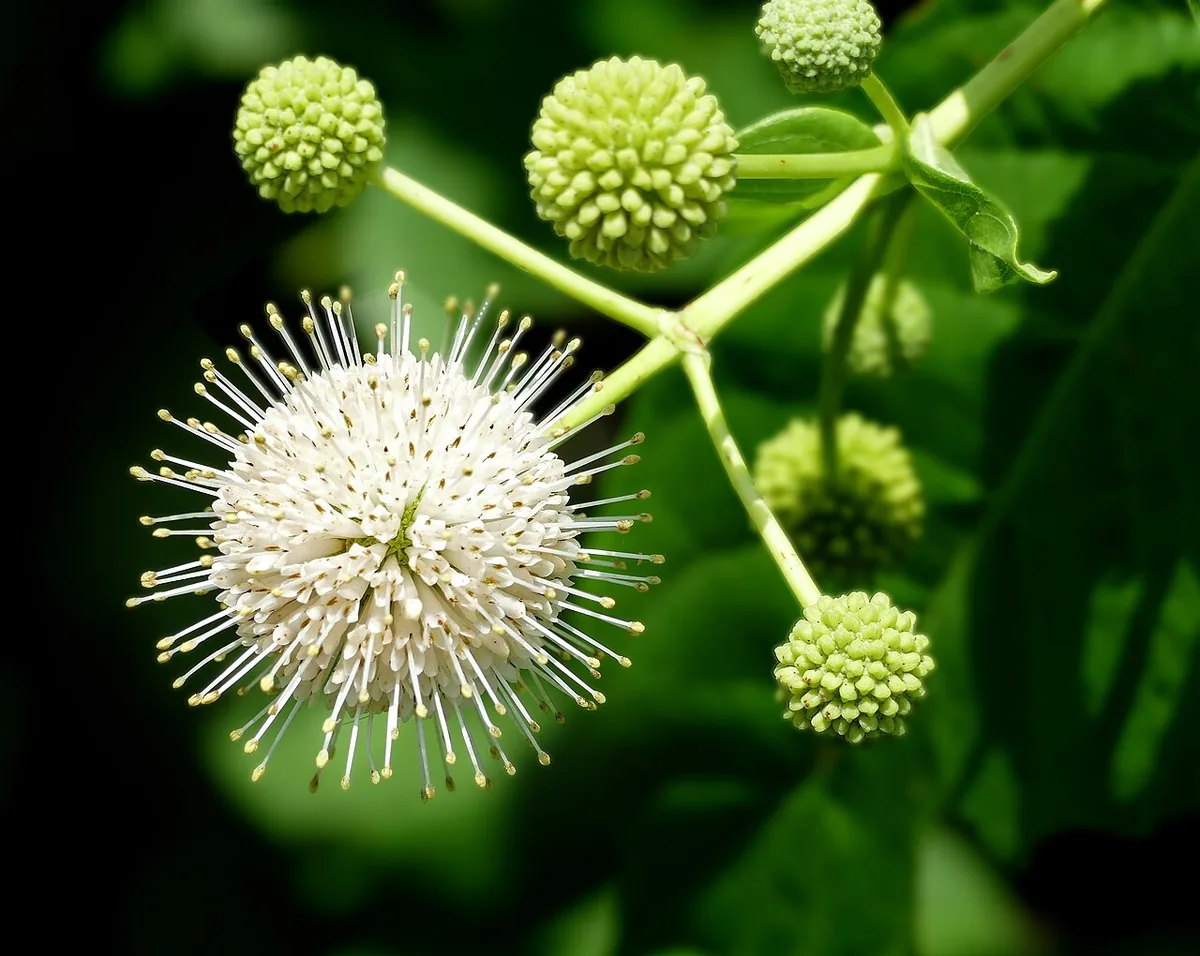
Buttonbush
Cephalanthus occidentalis · Shrub
| Mature Size | 6–12 ft tall × up to 10 ft spread |
|---|---|
| Sunlight | Full sun to part shade |
| Water | High — needs moderate to wet soil; not drought tolerant |
| Soil | Moist, fertile soils — a bog, rain-garden, and pond-edge plant |
| Bloom & Fruit | Fragrant white flowers in 1–1.5 in. globe “pincushion” clusters, March–August; showy red fruit follows in late summer and persists. Deciduous — bare for a month or two in winter. |
Wildlife Value
One of Florida's best native nectar plants: bees, butterflies, and hummingbirds all work the globes. It's the larval host for the promethea silkmoth and many other moths, its seeds feed waterfowl and shorebirds, and its leaves shelter ducks and anhingas.
In Zone 9B (Spring Hill / Hernando)
UF/IFAS zones 4A–11B — cold is no issue in 9B, and it loves our hot, humid summers if kept wet. Only for wet spots: a dry Hernando County upland bed will fail it. Note: parts of the plant, especially the leaves, are toxic to people and livestock.
Grow Notes
- Plant only where soil stays moist to wet — rain garden, pond margin, or low swale — and mulch to hold moisture.
- Give it 6–10 ft of spread and don't shear it; its loose, rounded form is the charm.
Sources: UF/IFAS EDIS FP117; UF/IFAS Gardening Solutions, “Buttonbush.”
Pairs Well With in Zone 9B
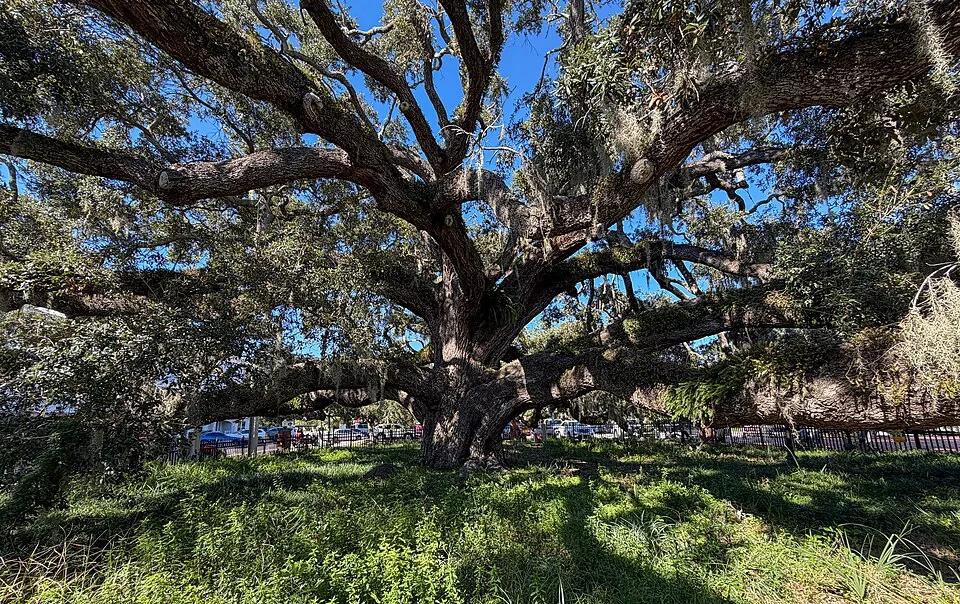 Tree
FL Native
Live Oak
60–80 ft tall × 60–120 ft spread · Full sun to part shade · Moderate
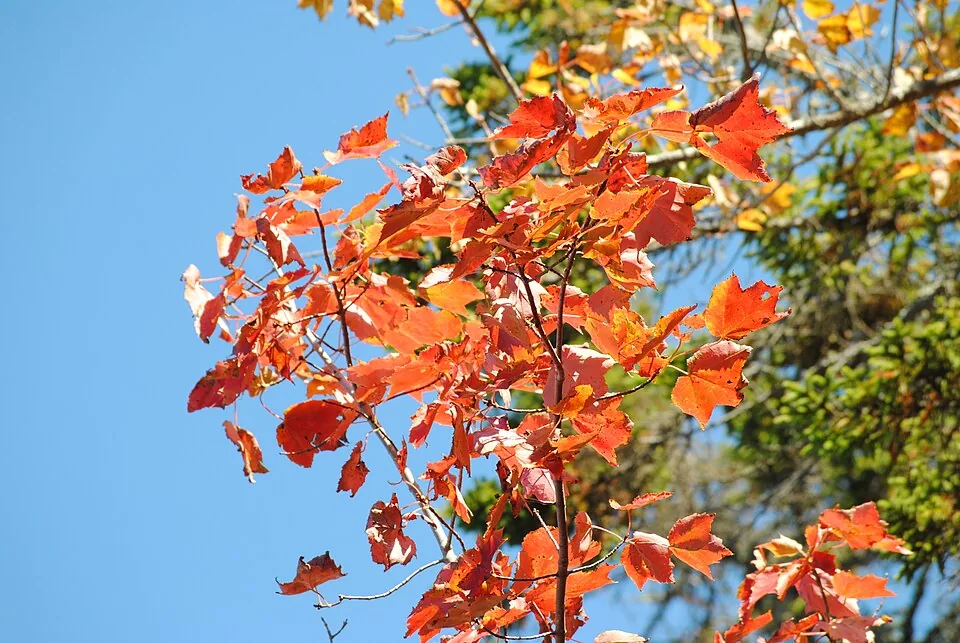 Tree
FL Native
Red Maple
60–75 ft tall × 25–35 ft spread (often shorter in South Florida unless on a wet site) · Full sun to part shade · Moderate to high
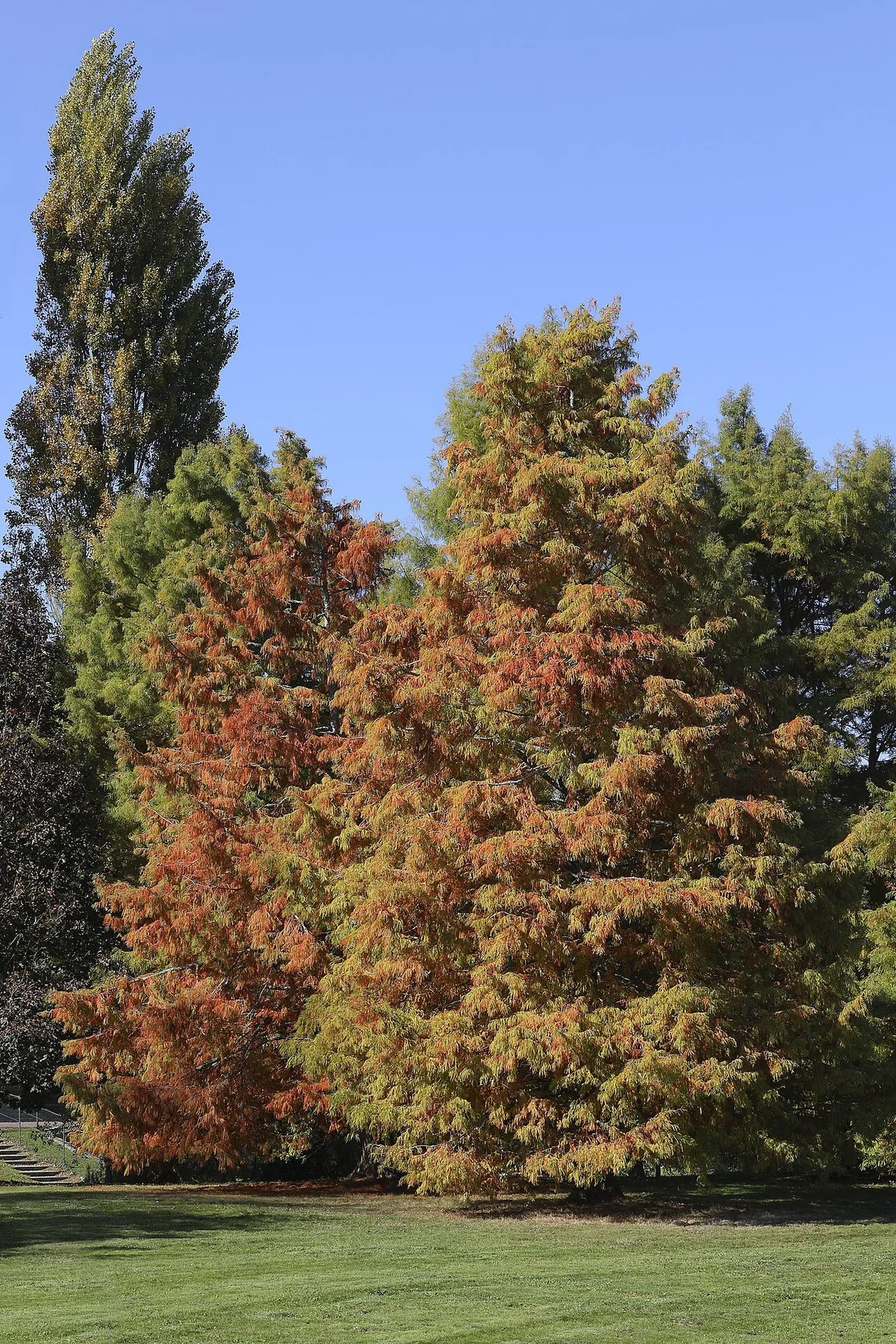 Tree
FL Native
Bald Cypress
60–80 ft tall × 25–35 ft spread · Full sun to part shade · Loves wet