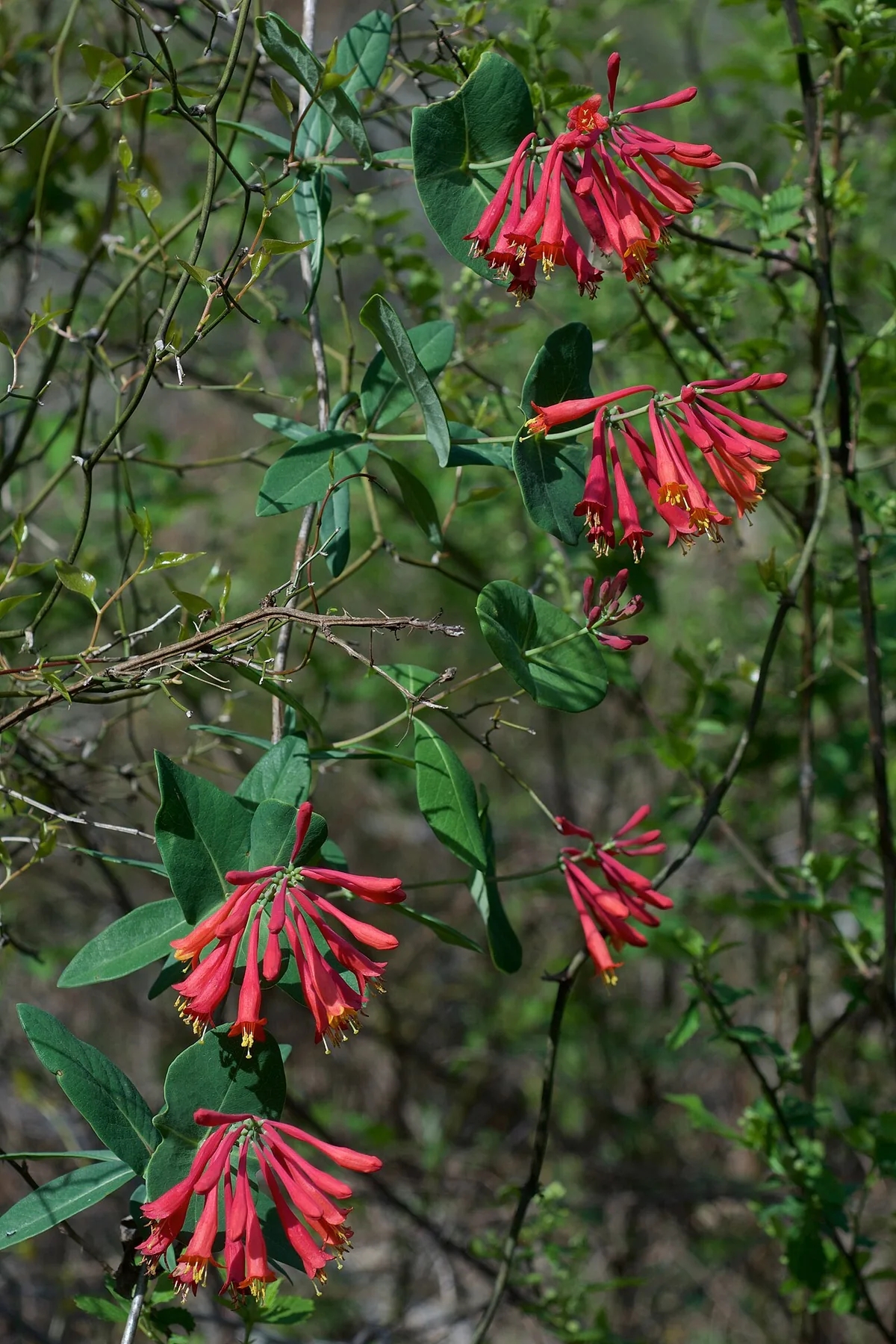
Coral Honeysuckle
Lonicera sempervirens · Vine
| Mature Size | Individual stems to 15 ft; commonly 10–20 ft with support |
|---|---|
| Sunlight | Full sun for best bloom; tolerates part shade but flowers poorly in it |
| Water | Low once established; water regularly during establishment |
| Soil | Tolerates most soil types, best slightly acidic — but it does not tolerate dry sands, an important caveat for Hernando County's driest spots: give it some moisture retention or organic matter while it establishes |
| Bloom & Fruit | Bright scarlet, tubular flowers in clusters on new growth, spring and summer, for months. Red berries follow in late summer–fall. Cultivars include 'Sulphurea' (yellow) and 'Magnifica'. |
Wildlife Value
Hummingbirds and butterflies work the flowers for months, songbirds take the berries, and it's a larval host for the spring azure and the snowberry clearwing moth.
In Zone 9B (Spring Hill / Hernando)
USDA zones 4–10 — fully hardy in 9B and evergreen here in Central Florida. The contrast that matters: Japanese honeysuckle (L. japonica), with white-yellow flowers, is invasive and prohibited in Florida — coral honeysuckle is the native alternative. Always check the tag for L. sempervirens.
Grow Notes
- Slow to establish — be patient the first season, keep it watered, and train stems onto a trellis, fence, or arbor early. It also works as a slope groundcover.
- Prune and train after flowering to direct growth; it propagates easily from cuttings.
Sources: UF/IFAS Gardening Solutions, “Coral Honeysuckle”; UF/IFAS Extension Pasco County (2024).
Pairs Well With in Zone 9B
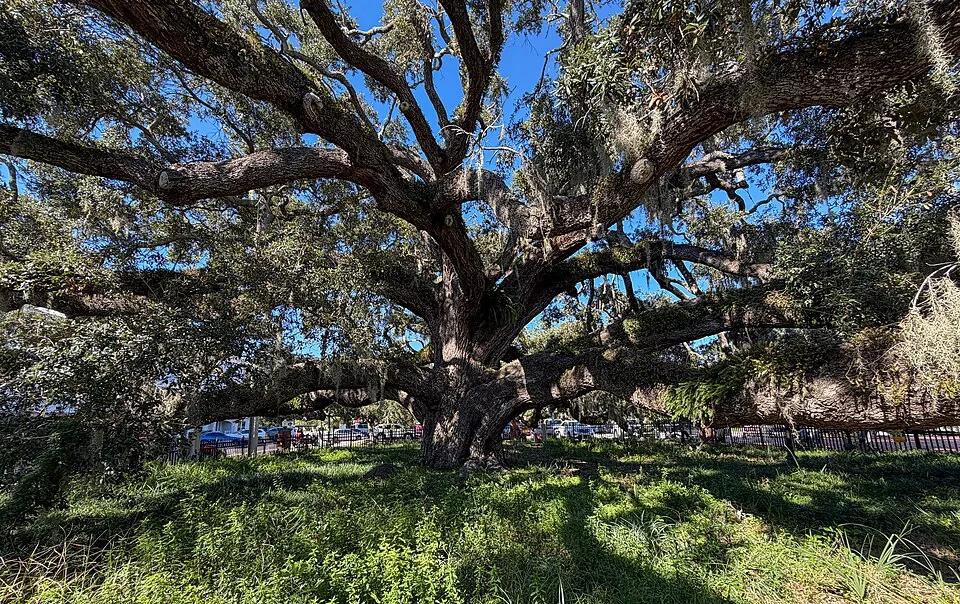 Tree
FL Native
Live Oak
60–80 ft tall × 60–120 ft spread · Full sun to part shade · Moderate
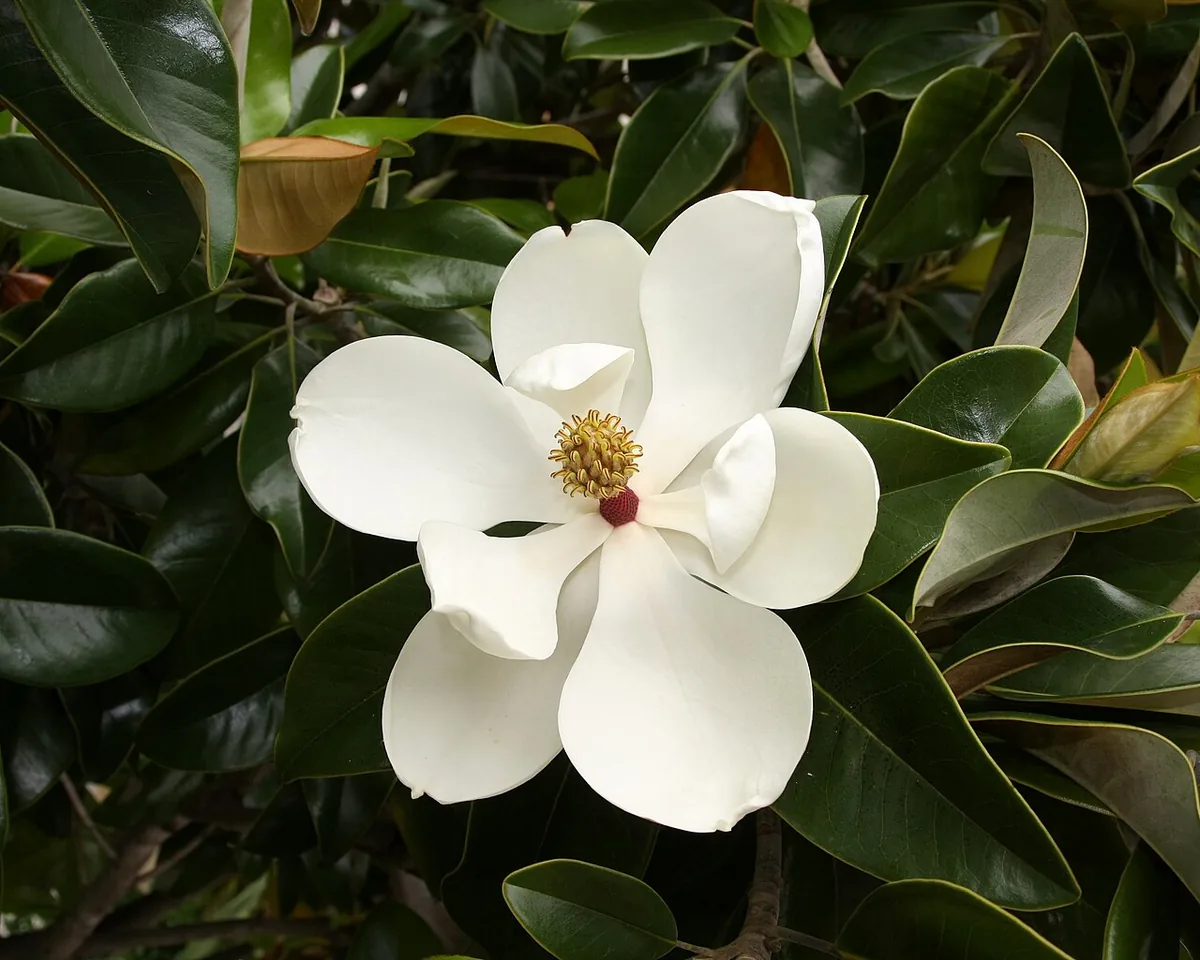 Tree
FL Native
Southern Magnolia
60–80 ft tall × 30–40 ft spread · Full sun to part shade · Moderate
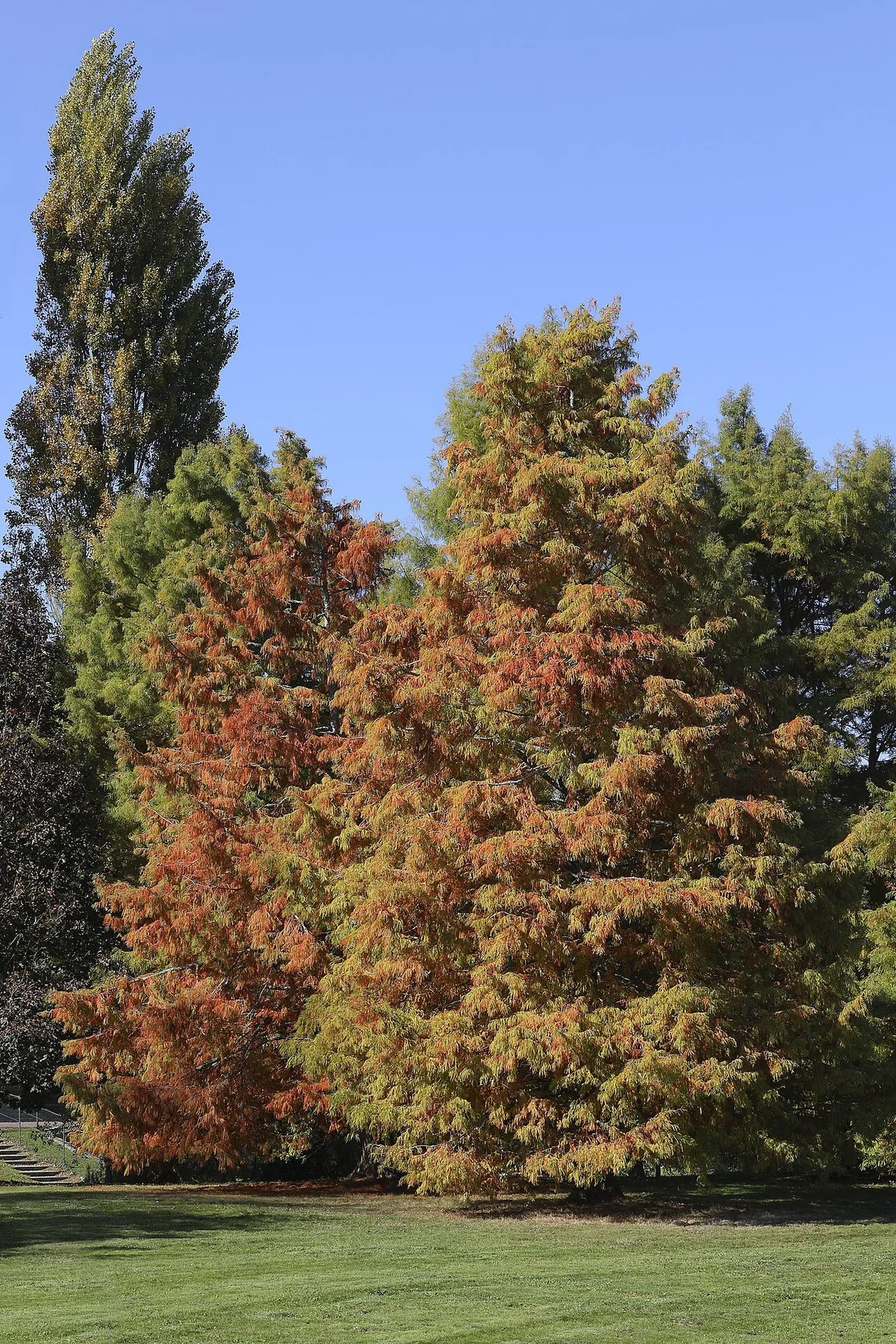 Tree
FL Native
Bald Cypress
60–80 ft tall × 25–35 ft spread · Full sun to part shade · Loves wet