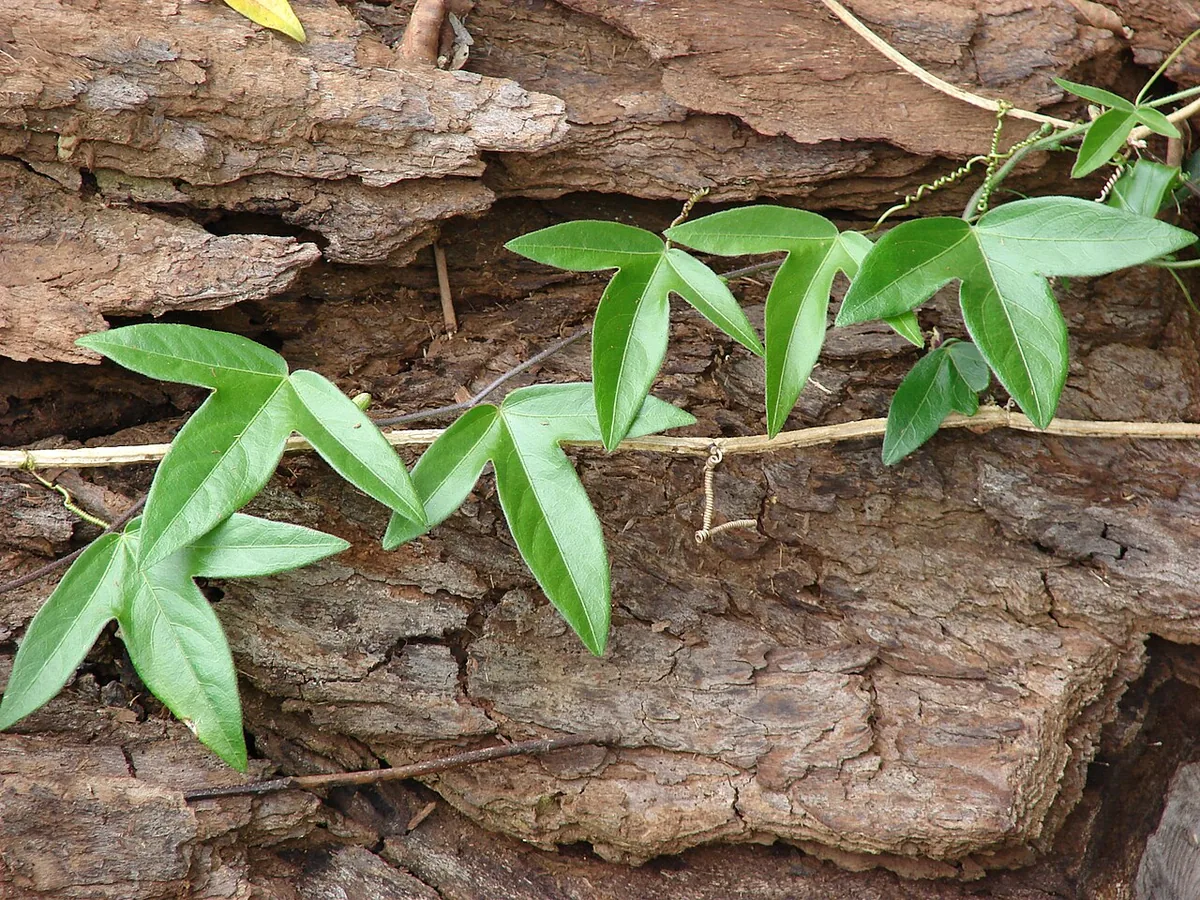
Corkystem Passionflower
Passiflora suberosa · Vine
| Mature Size | To about 15 ft — the smallest of Florida's native passionflower vines; also works as a groundcover |
|---|---|
| Sunlight | Full sun to part sun |
| Water | Low to moderate — somewhat moist to fairly dry, but no flooding |
| Soil | Sand, loam, or organic soils, near-neutral to calcareous. Moderate tolerance of salt spray; not tolerant of saltwater flooding |
| Bloom & Fruit | Small white-and-green flowers, mainly late spring–summer with sporadic blooms year-round in frost-free weather; small black round berries follow. Older stems develop the corky bark it's named for. |
Wildlife Value
Verified larval host for all three of Florida's passionflower butterflies — Gulf fritillary, Julia heliconian, and zebra longwing (Florida's state butterfly). Native bees are its main pollinators, and birds eat the fruit.
In Zone 9B (Spring Hill / Hernando)
FNPS lists zones 9A–11 — 9B is squarely in range, and it's evergreen in Central Florida. Native to peninsular Florida's pinelands, hammocks, and shell middens, and well-behaved here (though invasive in some other parts of the world).
Grow Notes
- Grow it on a low trellis or fence, let it climb a tree, or let it sprawl — it suits small spaces where maypop would be too much.
- Expect chewed leaves: that's the point. Caterpillars on the foliage mean the host plant is working. Propagate from seed (slow) or root division.
Sources: FNPS Plant Database; Florida Wildflower Foundation, “Corkystem passionflower.”
Pairs Well With in Zone 9B
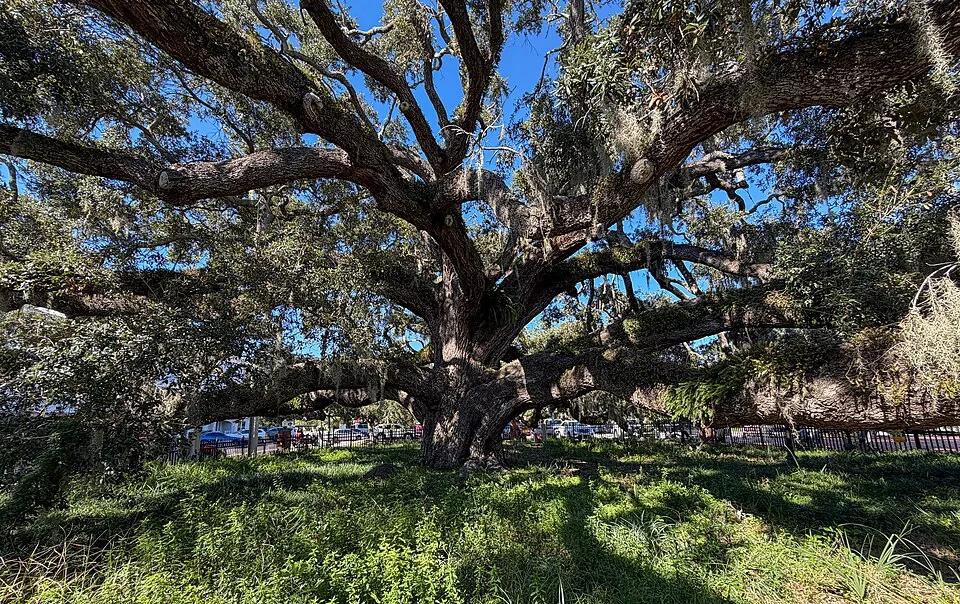 Tree
FL Native
Live Oak
60–80 ft tall × 60–120 ft spread · Full sun to part shade · Moderate
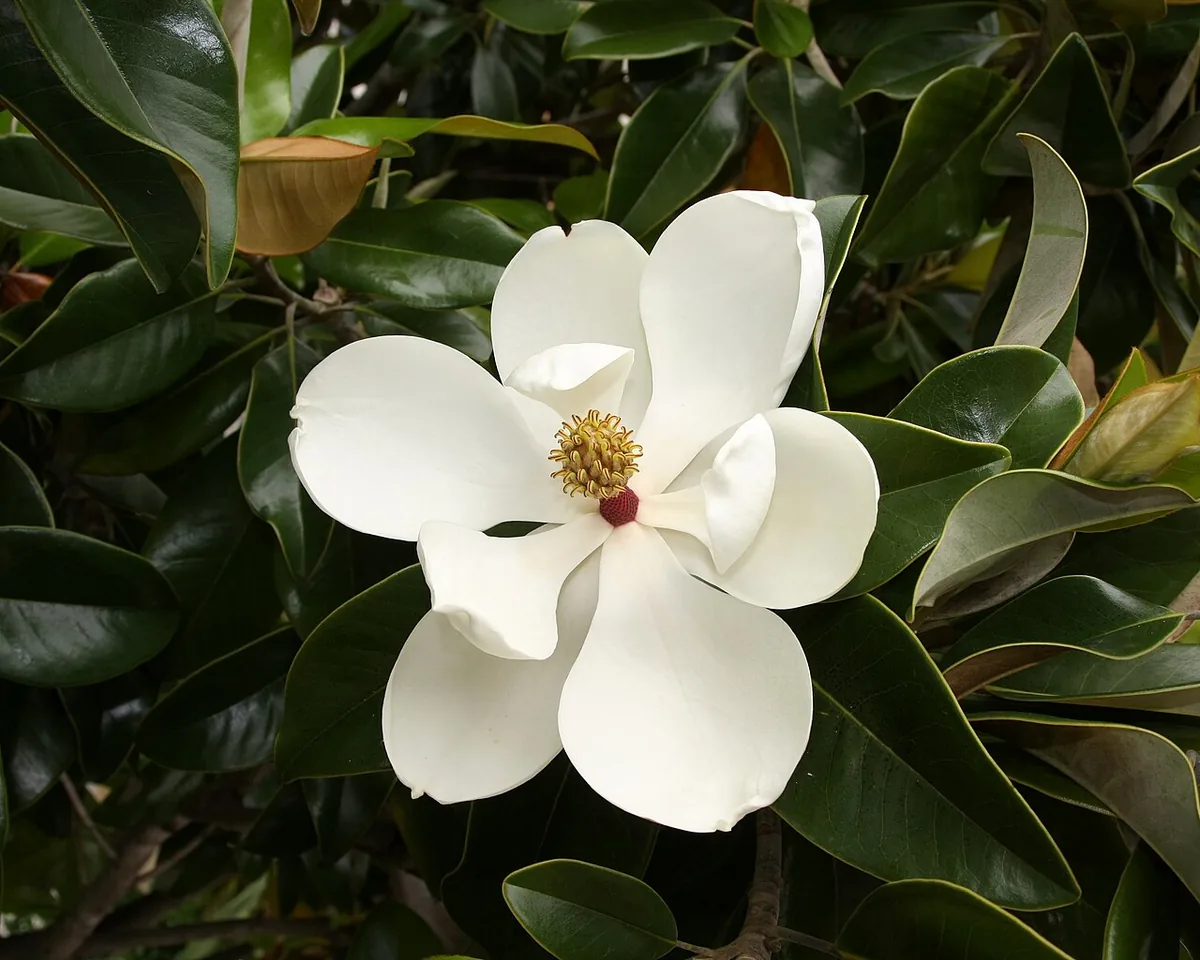 Tree
FL Native
Southern Magnolia
60–80 ft tall × 30–40 ft spread · Full sun to part shade · Moderate
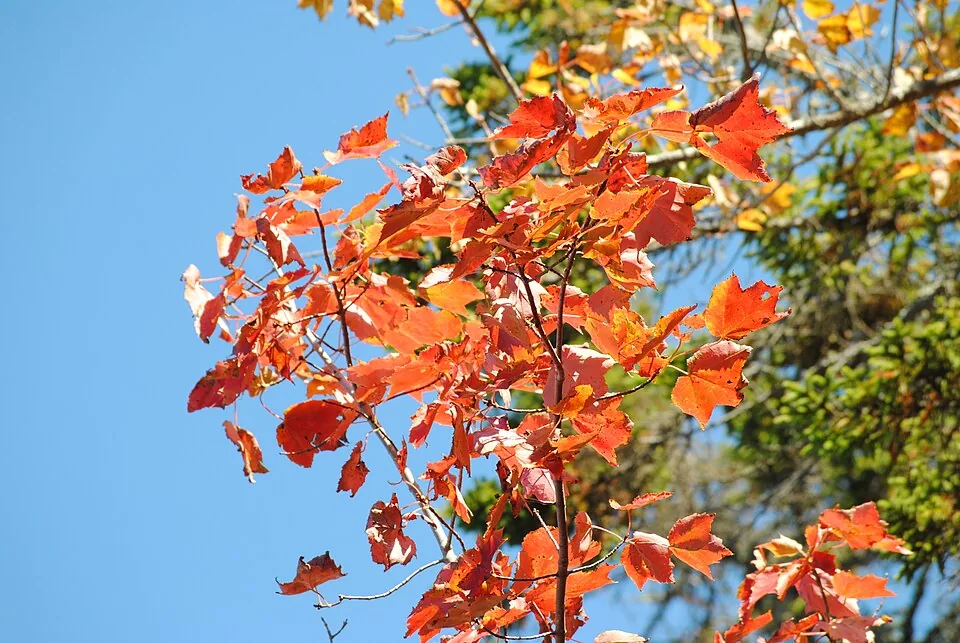 Tree
FL Native
Red Maple
60–75 ft tall × 25–35 ft spread (often shorter in South Florida unless on a wet site) · Full sun to part shade · Moderate to high