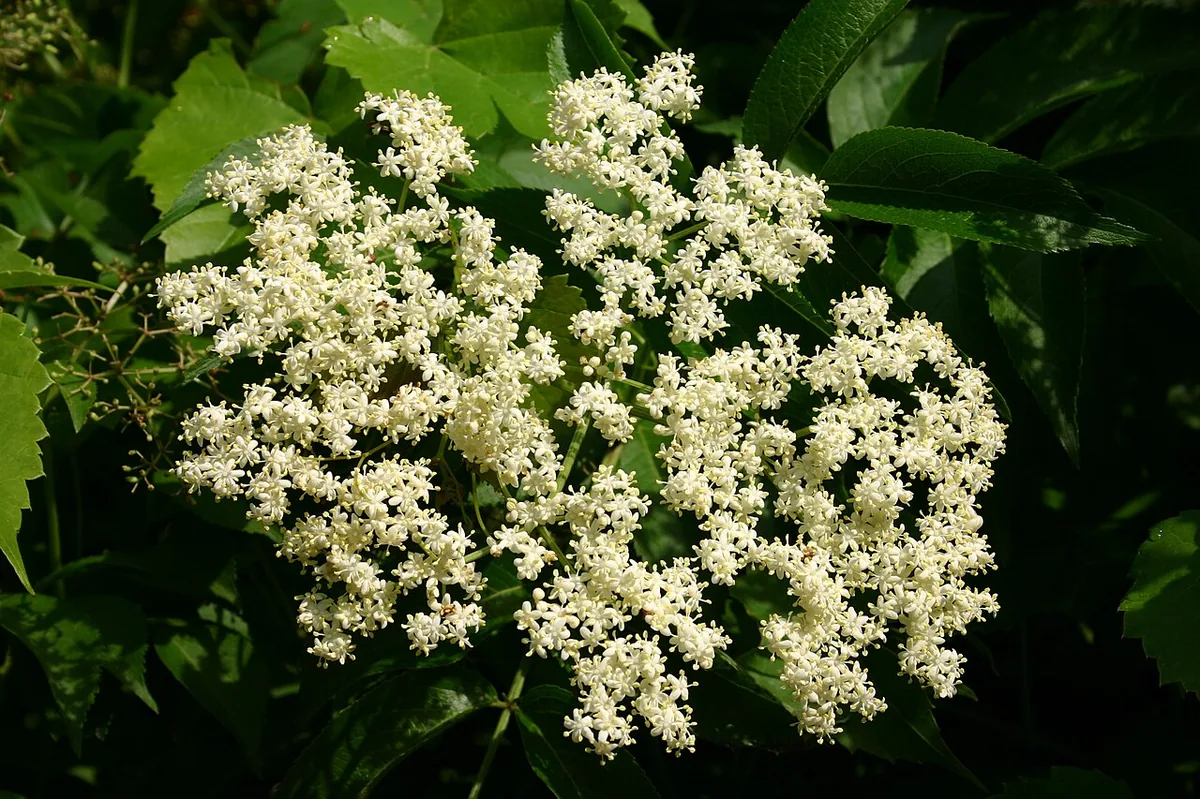
Elderberry
Sambucus nigra subsp. canadensis · Shrub
| Mature Size | 5–12 ft tall × 6–10 ft spread; fast-growing and thicket-forming |
|---|---|
| Sunlight | Full sun performs best |
| Water | Moderate to high; best on moist to wet, fertile soil |
| Soil | Tolerates acid or alkaline soil; wants moisture and fertility |
| Bloom & Fruit | Smothered in 6–10 in. flat clusters of yellowish-white flowers in early summer (sporadically all year in zones 9–10). Fruit ripens mid-to-late summer, green to dark purple-black. |
Wildlife Value
Flowers draw pollinators and the ripe berries are popular with birds and other wildlife.
In Zone 9B (Spring Hill / Hernando)
UF/IFAS zones 4A–10B — 9B cold is no problem, and it handles our humid summers if kept moist. UF/IFAS calls it a “weedy native”: it suckers and spreads, so site it where a thicket is welcome. Safety: eat only fully ripe (black) berries, properly prepared — green berries, leaves, and stems contain higher levels of cyanogenic compounds.
Grow Notes
- Give it room and a moist spot, and plan to manage the suckers — not a plant for a tight foundation bed.
- Confirm identification before eating any berry, and never eat green berries.
Sources: UF/IFAS EDIS ST578; UF/IFAS Gardening Solutions, “Elderberry.”
Pairs Well With in Zone 9B
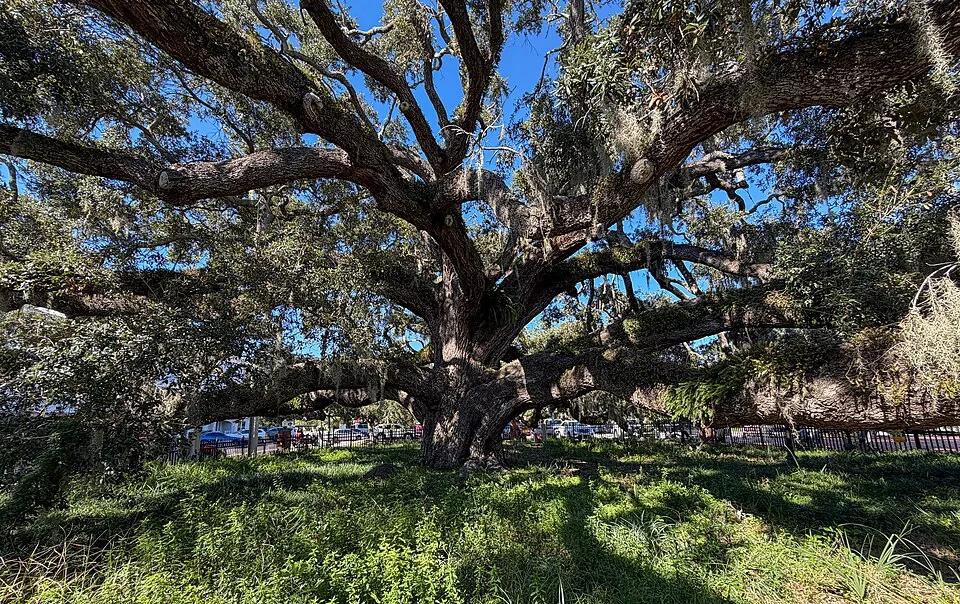 Tree
FL Native
Live Oak
60–80 ft tall × 60–120 ft spread · Full sun to part shade · Moderate
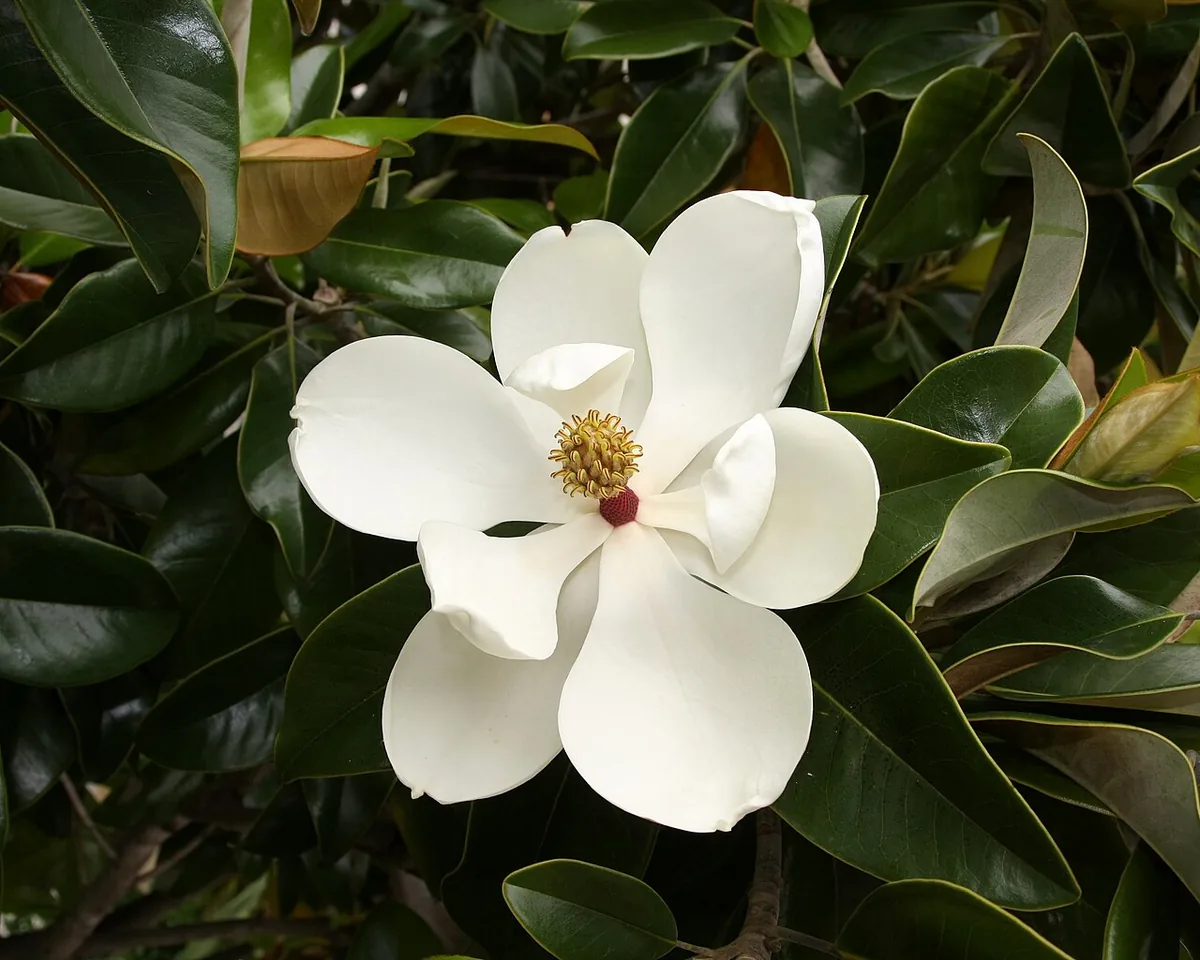 Tree
FL Native
Southern Magnolia
60–80 ft tall × 30–40 ft spread · Full sun to part shade · Moderate
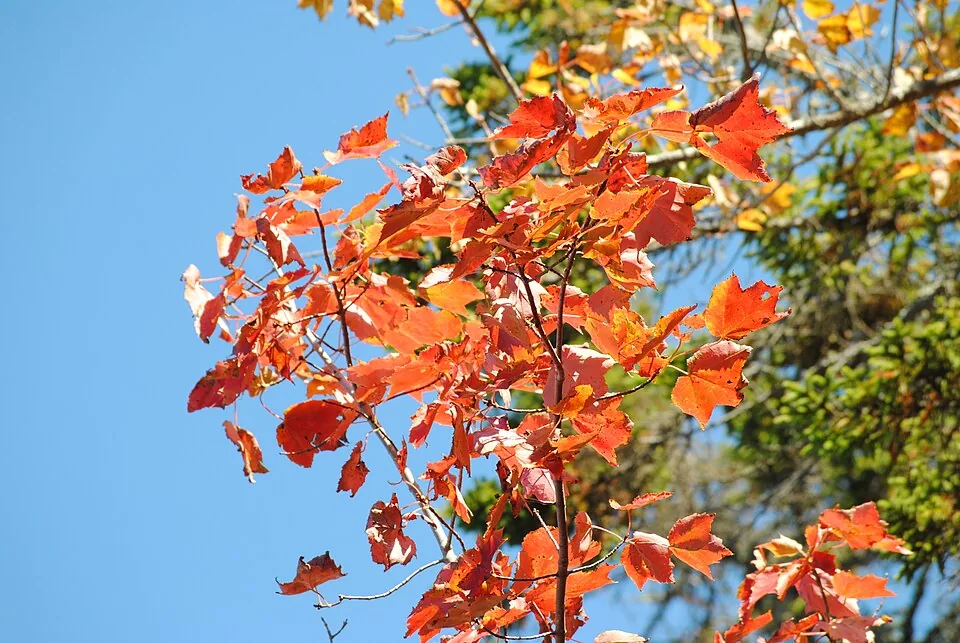 Tree
FL Native
Red Maple
60–75 ft tall × 25–35 ft spread (often shorter in South Florida unless on a wet site) · Full sun to part shade · Moderate to high