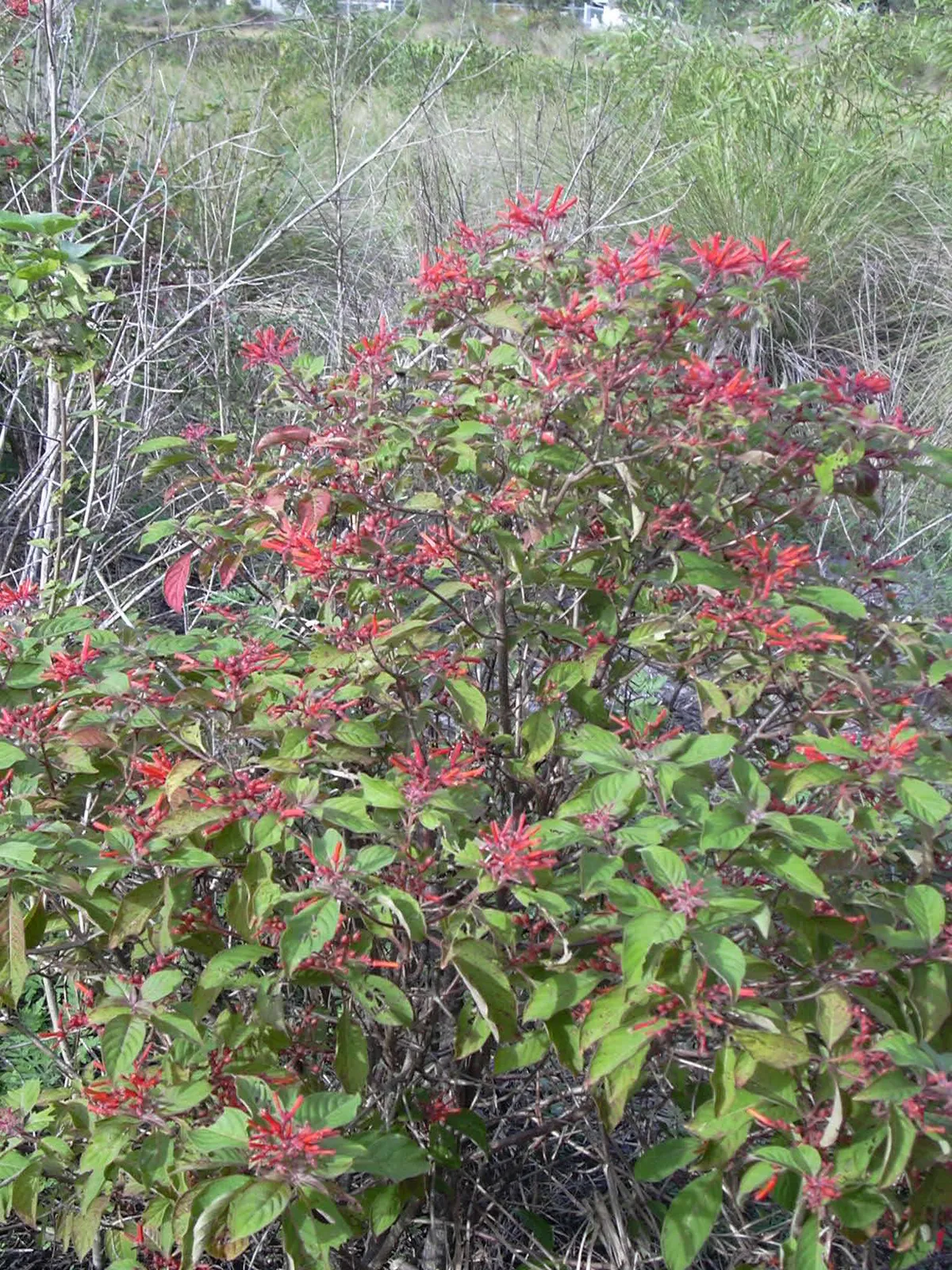
Firebush
Hamelia patens var. patens · Shrub
| Mature Size | 6–12 ft tall × 5–8 ft spread |
|---|---|
| Sunlight | Full sun for best flowering; tolerates part shade |
| Water | Moderate; fairly drought-tolerant once established, best with summer rain |
| Soil | Any well-drained soil, across a wide pH range; salt tolerant |
| Bloom & Fruit | Bright orange-red tubular flowers from late spring until first frost; small dark berries follow. |
Wildlife Value
The workhorse of a wildlife garden: hummingbirds and butterflies — zebra longwing and gulf fritillary among them — work the flowers daily, it's a larval host for the pluto sphinx moth, and songbirds eat the berries.
In Zone 9B (Spring Hill / Hernando)
Native from Sumter County southward, so Hernando County is in range (UF/IFAS zones 9–11). In 9B it may freeze back in a hard freeze but regrows from the roots in spring — treat it as root-hardy: leave the dead stems over winter and cut back to about 6 in. in late winter before bud break. It loves our hot, humid summers.
Grow Notes
- Buy the true native: the tag should read Hamelia patens var. patens — red-orange flowers, slightly hairy leaves in whorls of three. Avoid “African,” “Dwarf,” and “Compacta” (var. glabra), a non-native form with yellower flowers and smooth leaves.
- Plant late spring through summer in zone 9, and give it room — don't crowd it into a foundation bed.
Sources: UF/IFAS EDIS FP237; UF/IFAS Gardening Solutions, “Firebush”; FANN, “The Hamelia Mess.”
Pairs Well With in Zone 9B
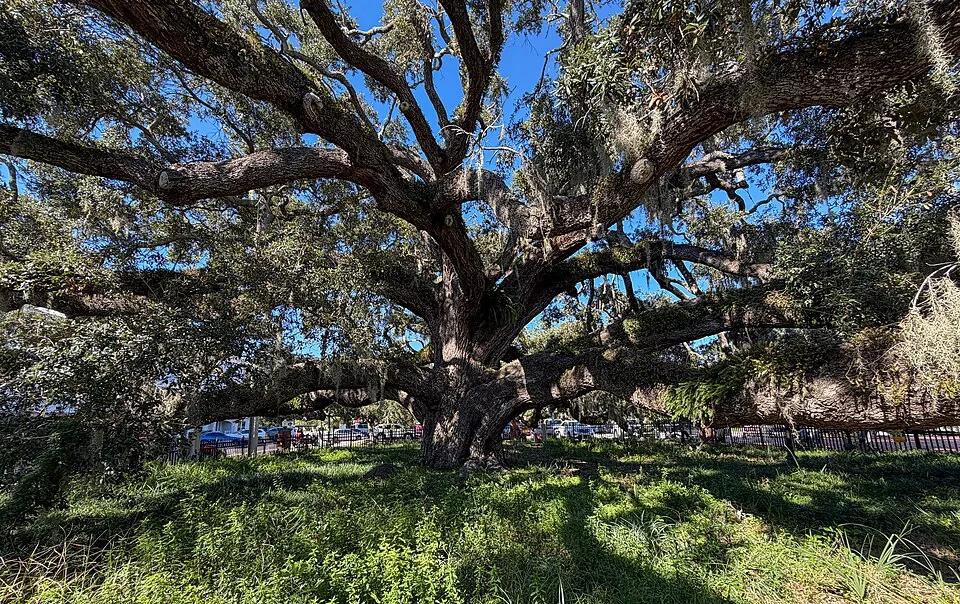 Tree
FL Native
Live Oak
60–80 ft tall × 60–120 ft spread · Full sun to part shade · Moderate
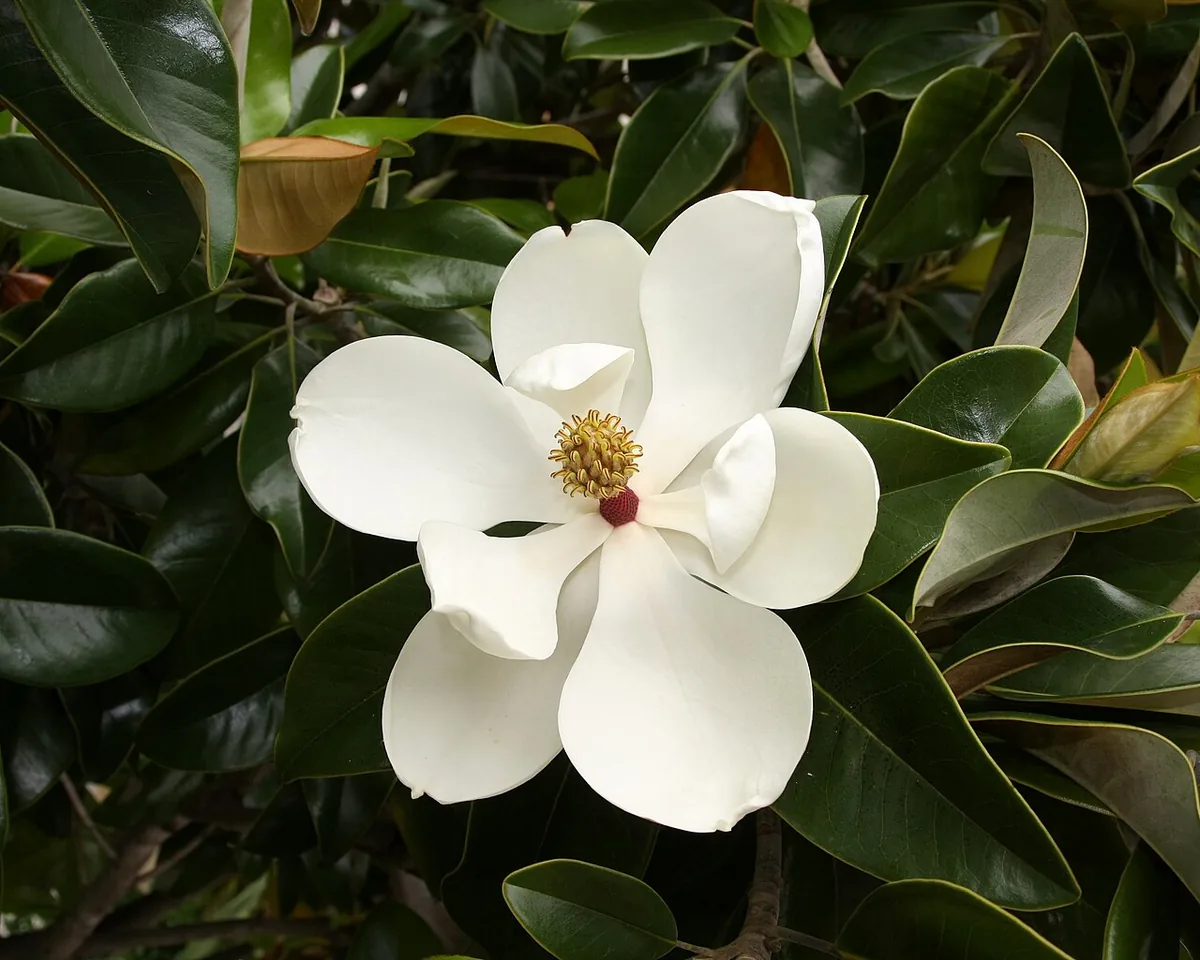 Tree
FL Native
Southern Magnolia
60–80 ft tall × 30–40 ft spread · Full sun to part shade · Moderate
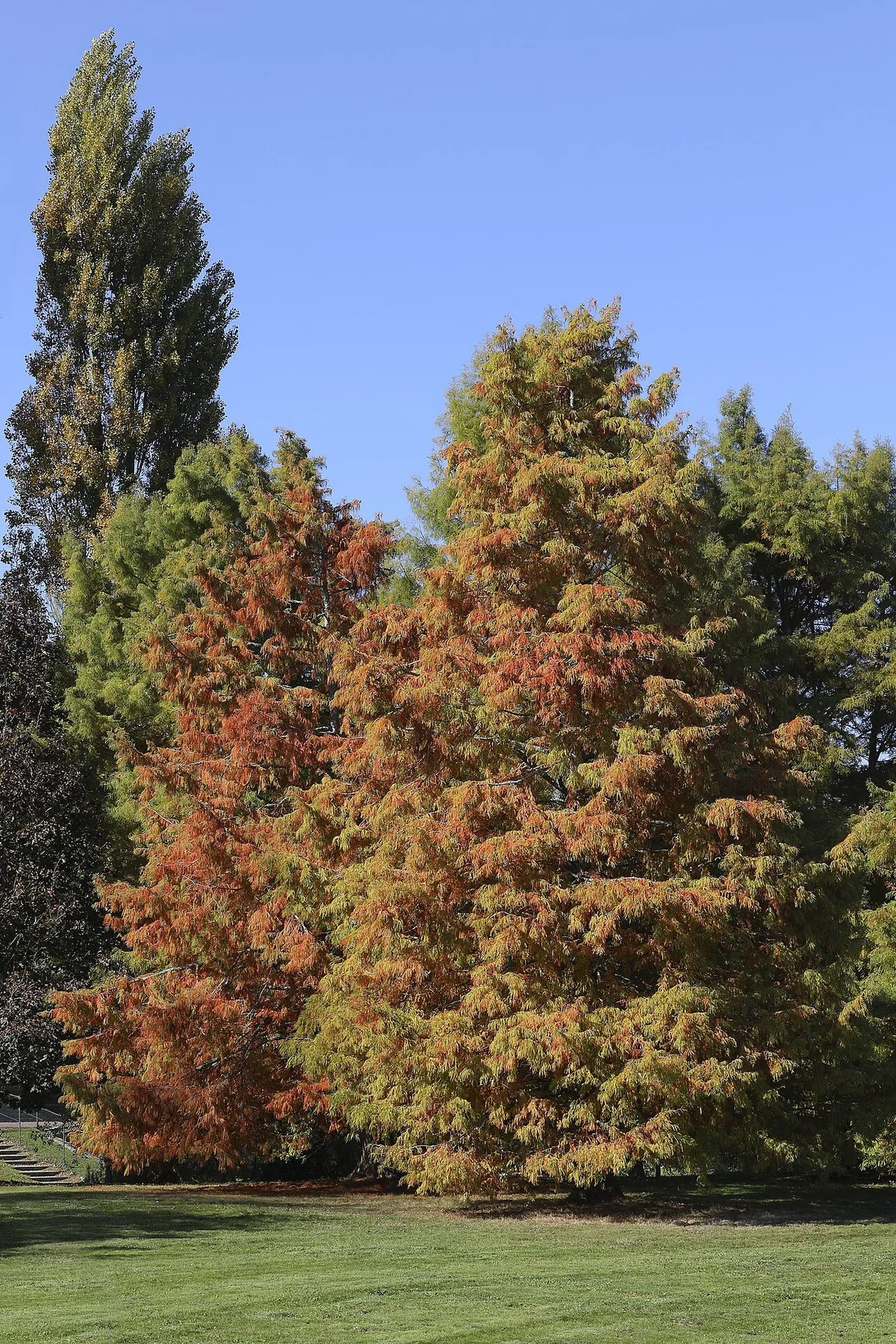 Tree
FL Native
Bald Cypress
60–80 ft tall × 25–35 ft spread · Full sun to part shade · Loves wet