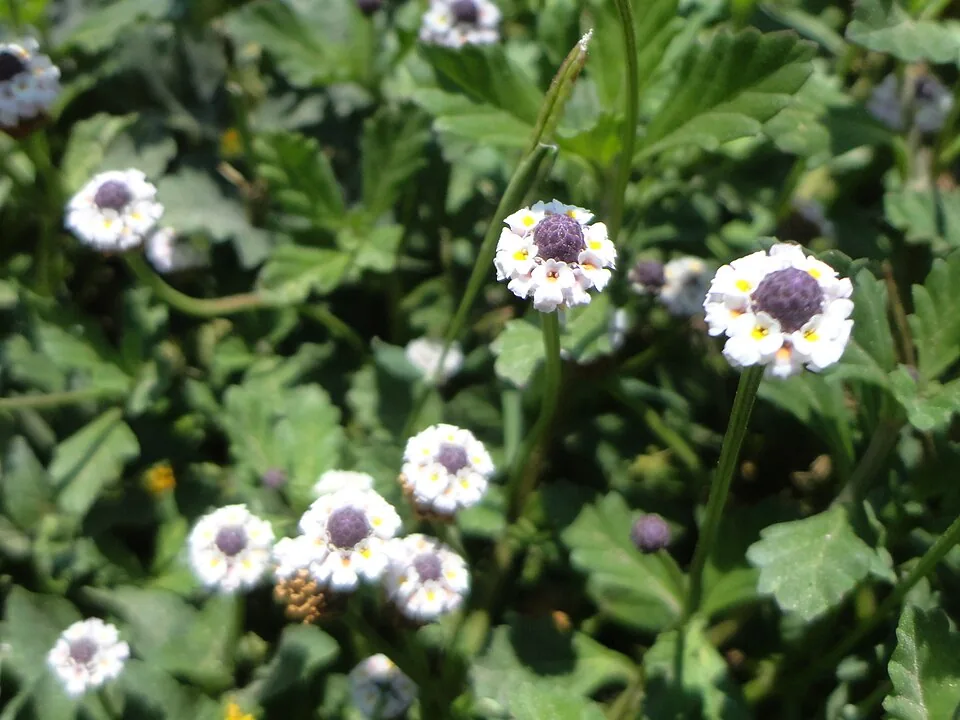
Frogfruit
Phyla nodiflora · Groundcover
| Mature Size | ½–1 ft tall; a single plant can run 8–10 ft, rooting at the nodes |
|---|---|
| Sunlight | Full sun to part shade |
| Water | Low to moderate once established — both drought- and flood-tolerant |
| Soil | Any soil texture or pH (UF/IFAS Gardening Solutions) — Hernando County sand included |
| Bloom & Fruit | Tiny purple-and-white flowers, May through October; the heads open in a ring for a two-toned look. |
Wildlife Value
Verified larval host for the phaon crescent, common buckeye, and white peacock butterflies, and a nectar source for the ceraunus blue and local bees.
In Zone 9B (Spring Hill / Hernando)
USDA zones 8a–11 — fully hardy in 9B. It may go dormant in winter and take freeze damage but returns with warm weather. Works as a turf companion in bahia or St. Augustine lawns. On traffic, sources conflict — UF/IFAS Gardening Solutions says it persists under traffic while the Hillsborough County alternative-lawn guidance says it can't take heavy traffic — so treat it as light-traffic only, not a play lawn or daily path.
Grow Notes
- Plant plugs to fill bare patches — it spreads rapidly — or root cuttings in wet potting soil or water.
- Mow occasionally at 4 in. or higher for a tidier look.
Sources: UF/IFAS Gardening Solutions, “Frogfruit”; UF/IFAS Extension Hillsborough County, “Groundcovers for an Alternative Lawn.”
Pairs Well With in Zone 9B
 Tree
FL Native
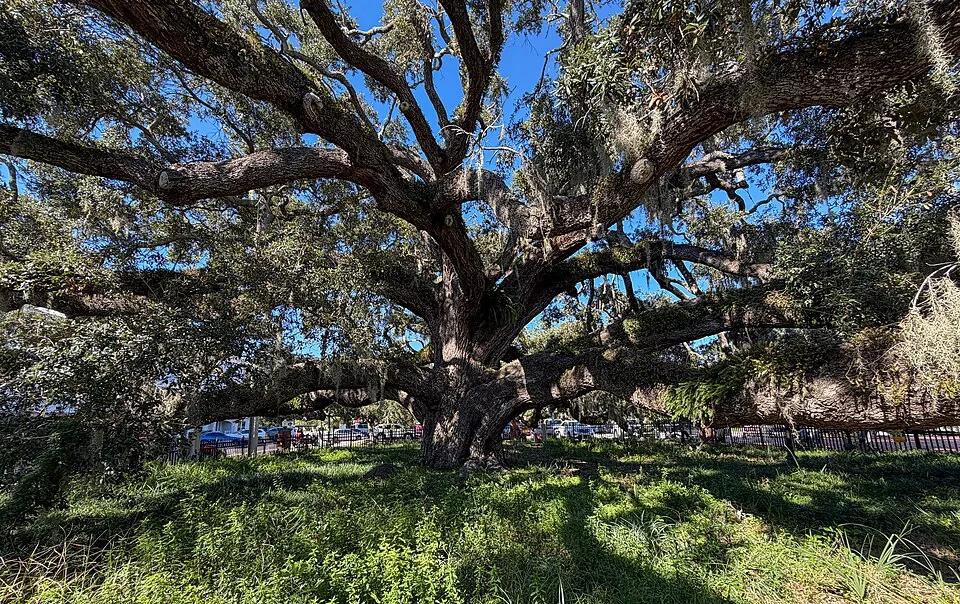
Live Oak
60–80 ft tall × 60–120 ft spread · Full sun to part shade · Moderate
 Tree
FL Native
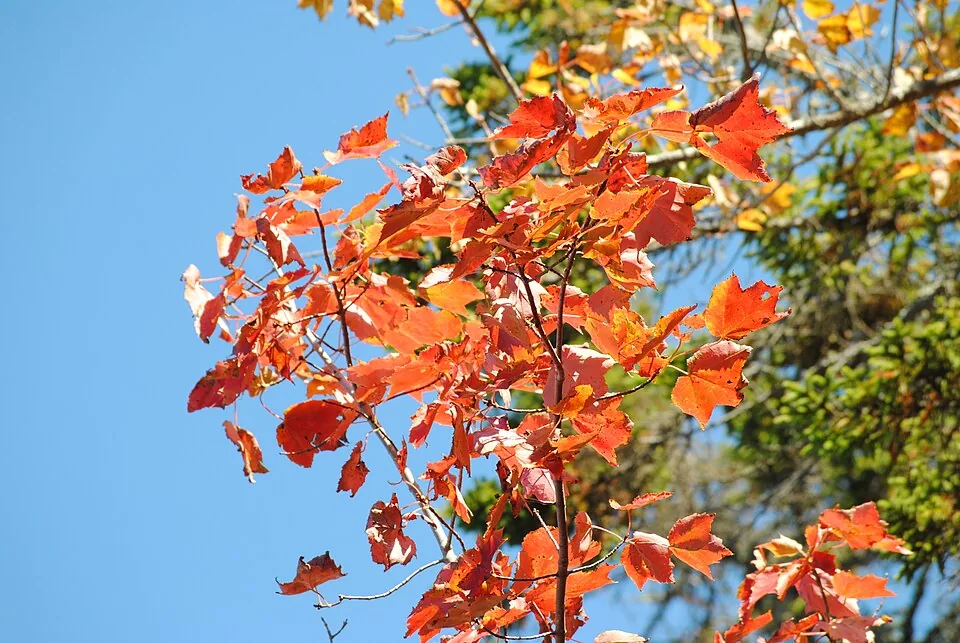
Red Maple
60–75 ft tall × 25–35 ft spread (often shorter in South Florida unless on a wet site) · Full sun to part shade · Moderate to high
 Tree
FL Native
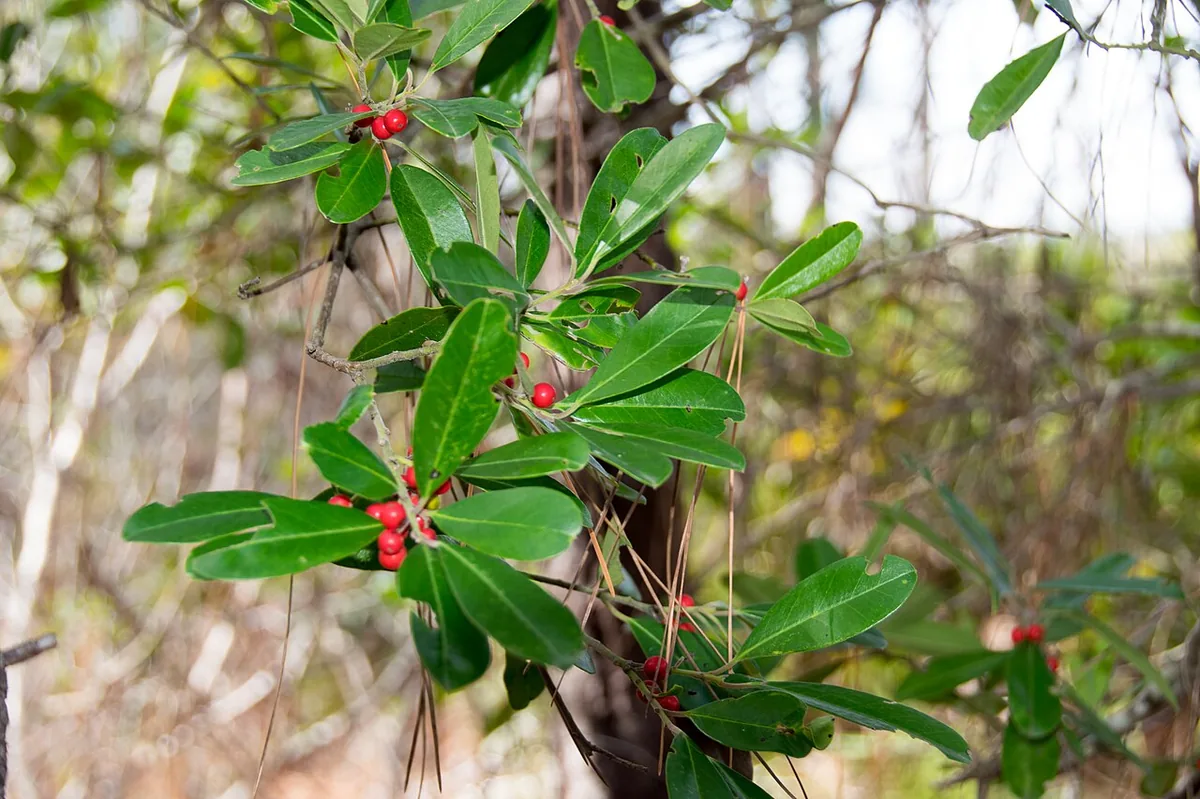
Dahoon Holly
20–30 ft tall × 8–12 ft spread (can reach 40 ft) · Full sun to part shade · Moderate