FL NativeGrassButterfly hostBird food
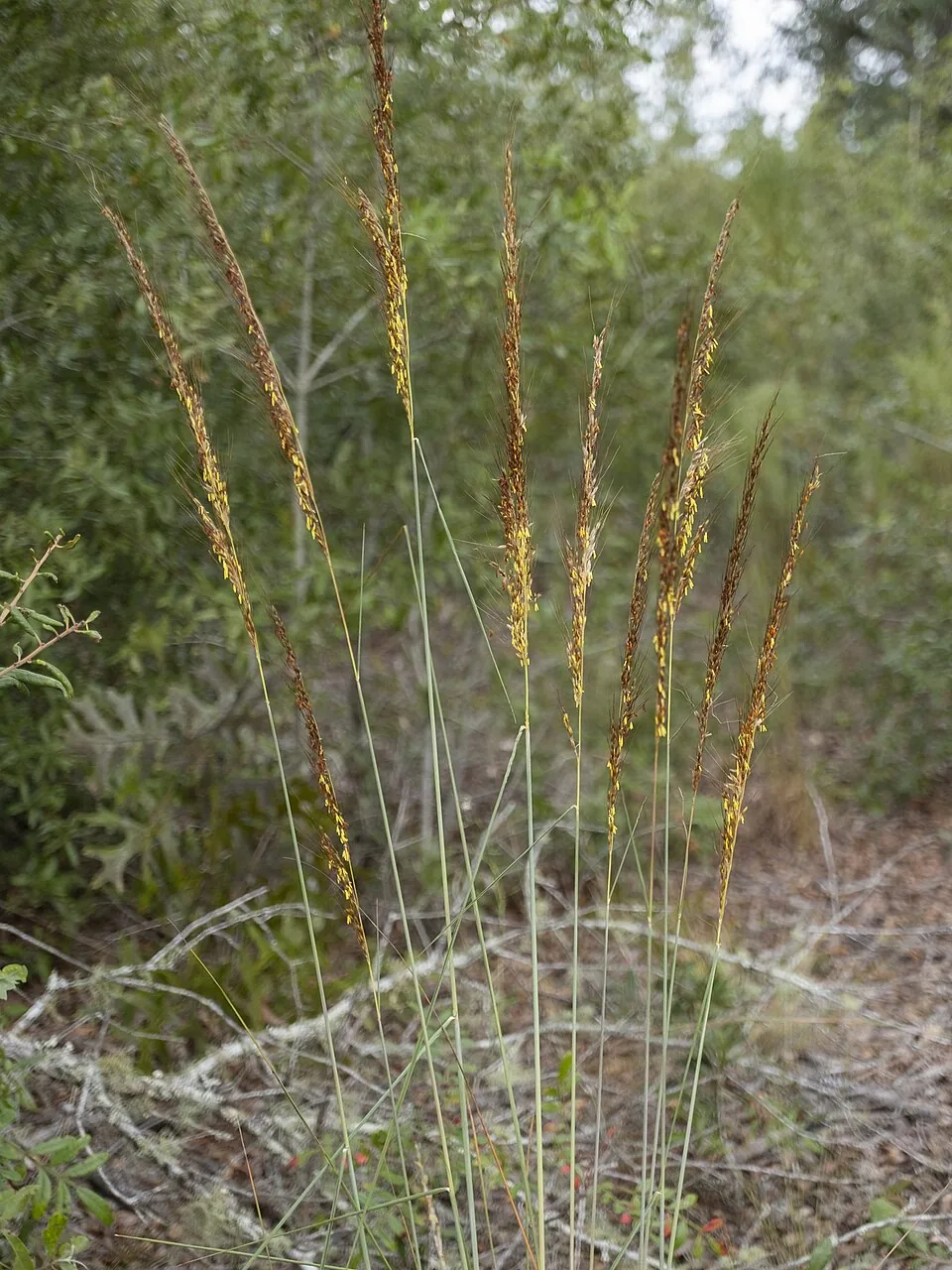
Lopsided Indiangrass
Sorghastrum secundum · Grass
| Mature Size | Foliage 2–3 ft tall; flowering stalks rise to 5–6 ft; about 1 ft wide |
|---|---|
| Sunlight | Full sun (open pineland and sandhill habitat) |
| Water | Low to moderate — a sandhill and dry-prairie plant |
| Soil | Well-drained sandy soils of pinelands, sandhills, and flatwoods |
| Bloom & Fruit | Late summer through fall (September–November): yellow flowers and seed heads borne along one side of the stem only — the “lopsided” trait. Winter-dormant. |
Wildlife Value
Larval host for the Delaware skipper, dusted skipper, and swarthy skipper (Florida Wildflower Foundation), and its seeds feed birds.
In Zone 9B (Spring Hill / Hernando)
FNPS lists suitable zones 8A–9B — 9B is its warm edge but included, and it's native throughout most of Florida including Hernando County. Expect it to go brown and dormant in winter and return in spring.
Grow Notes
- Use it in meadow-style or naturalized plantings, not narrow walkway borders — the 5–6 ft fall stalks need elbow room.
- Leave the fall seed heads standing through winter for birds, then cut back in late winter before new growth.
Sources: FNPS Plant Database; Florida Wildflower Foundation, “Lopsided indiangrass.”
Pairs Well With in Zone 9B
 Tree
FL Native
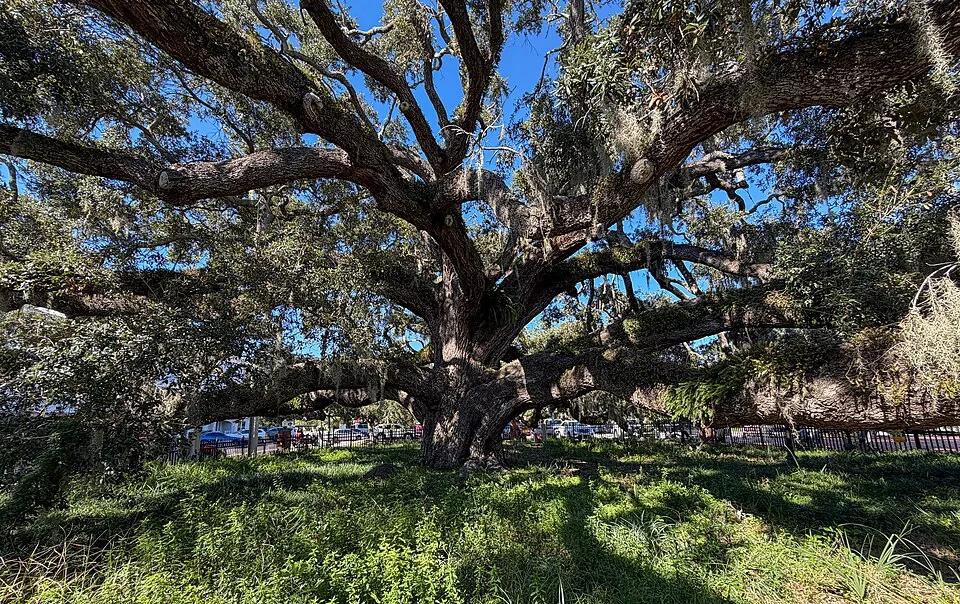
Live Oak
Quercus virginiana
60–80 ft tall × 60–120 ft spread · Full sun to part shade · Moderate
FL NativeTreeButterfly host
 Tree
FL Native
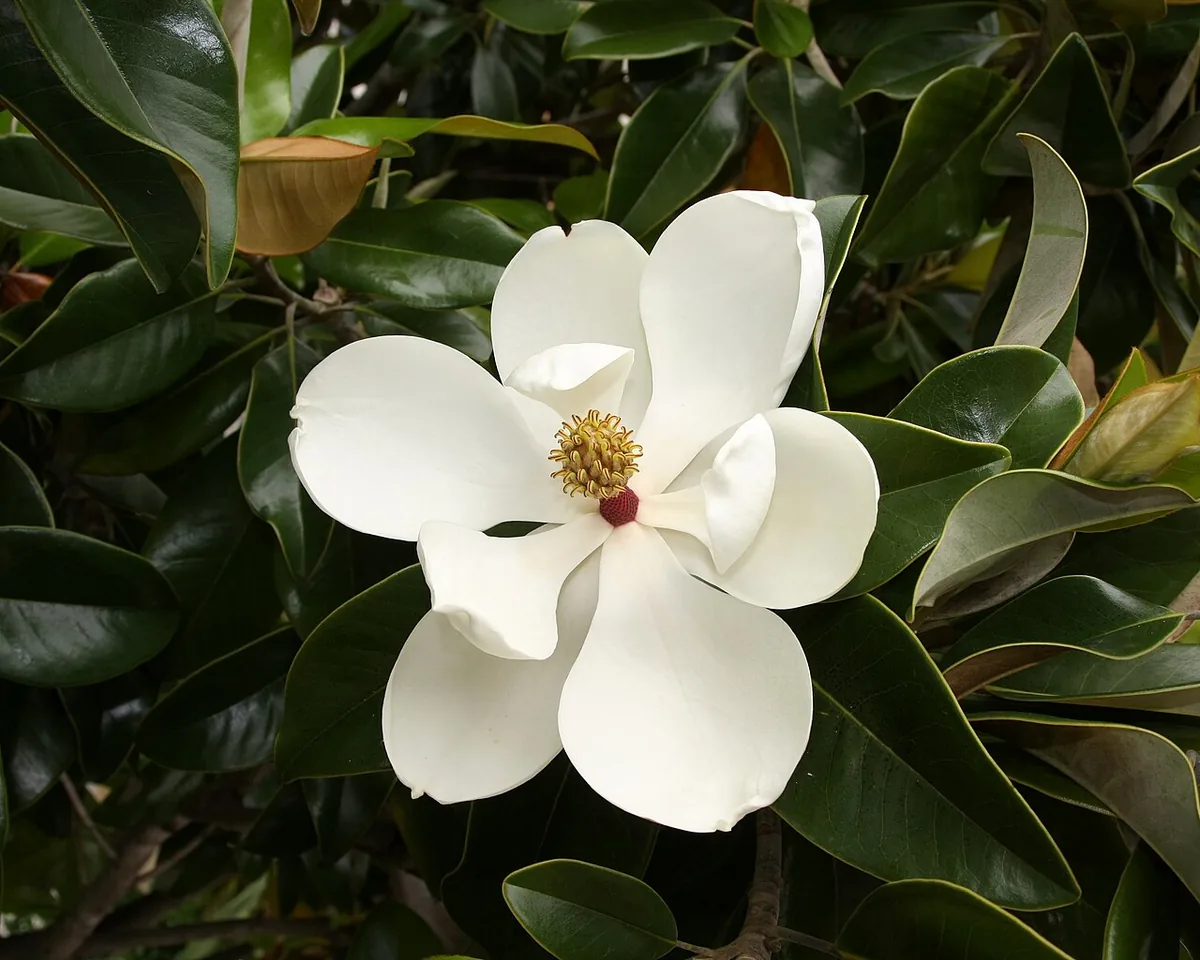
Southern Magnolia
Magnolia grandiflora
60–80 ft tall × 30–40 ft spread · Full sun to part shade · Moderate
FL NativeTree
 Tree
FL Native
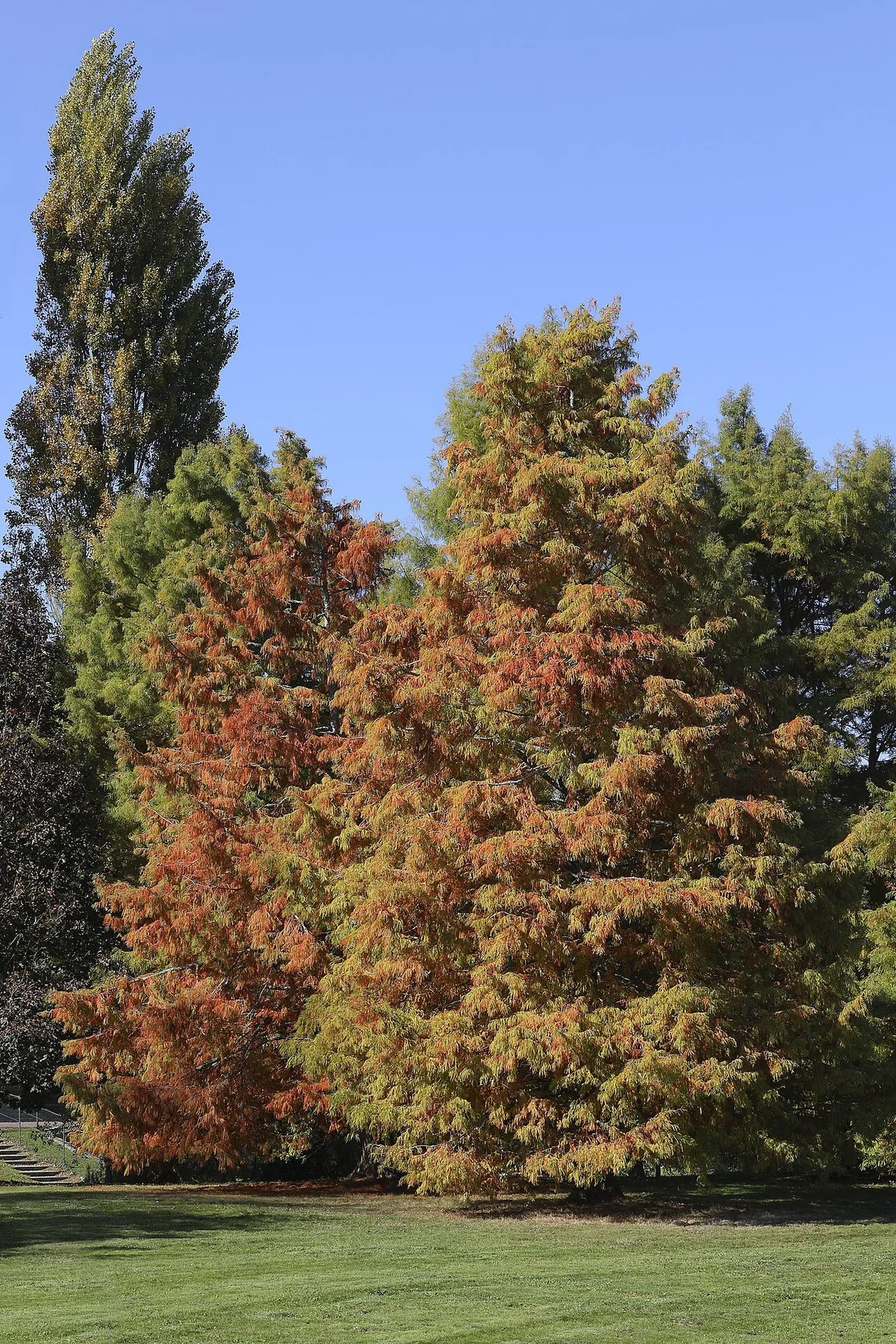
Bald Cypress
Taxodium distichum
60–80 ft tall × 25–35 ft spread · Full sun to part shade · Loves wet
FL NativeTree