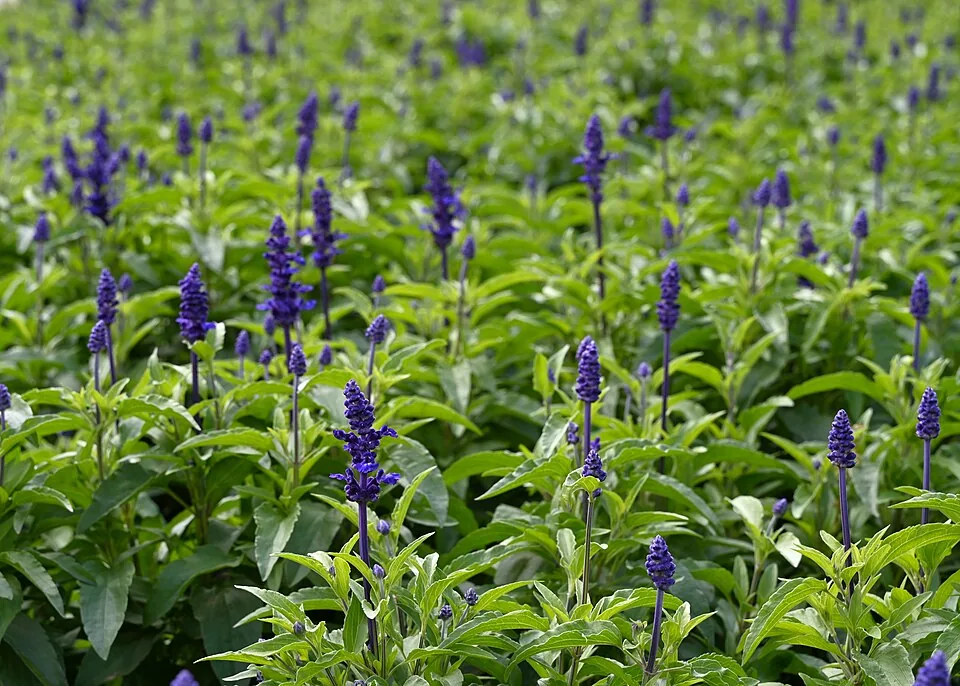
Mealycup Sage
Salvia farinacea · Wildflower
Florida-Friendly Status Check
Florida-Friendly non-native (Texas/Mexico) — ranked 'Not a problem species' by UF/IFAS Assessment.
| Mature Size | 2–3 ft tall × 1.5–2 ft spread |
|---|---|
| Sunlight | Full sun for compact spikes; tolerates light afternoon shade |
| Water | Low to moderate once established; high drought tolerance in Hernando sand |
| Soil | Fast-draining sandy soils; hates soggy winter ground |
| Bloom & Fruit | Vertical spikes of velvety cobalt-blue to violet (or white) tubular flowers from spring through late fall. |
Wildlife Value
Heavily worked by native bumblebees, carpenter bees, leafcutter bees, skippers, and hummingbirds.
In Zone 9B (Spring Hill / Hernando)
Hardy in Zone 9B and well-suited to hot, sandy Spring Hill beds; also pairable with native tropical sage (Salvia coccinea) for multi-tone pollinator borders.
Grow Notes
- Shear back lightly mid-summer and after winter freezes to trigger dense bushy rebloom.
- Skip heavy nitrogen—lean sand keeps stems upright instead of flopping.
Sources: UF/IFAS Assessment of Non-Native Plants (Salvia farinacea); UF/IFAS Gardening Solutions, “Salvias.”
Pairs Well With in Zone 9B
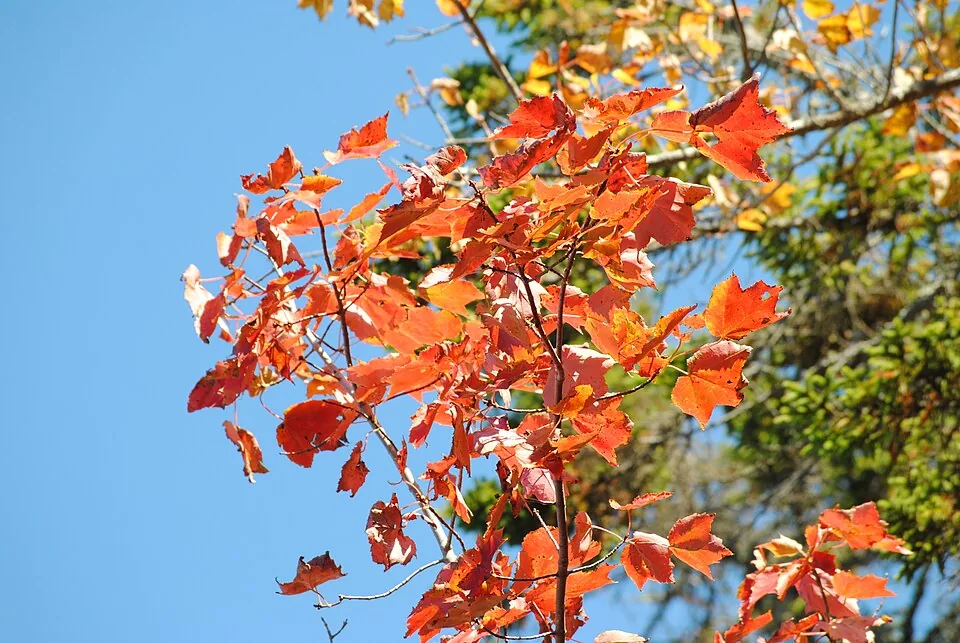 Tree
FL Native
Red Maple
60–75 ft tall × 25–35 ft spread (often shorter in South Florida unless on a wet site) · Full sun to part shade · Moderate to high
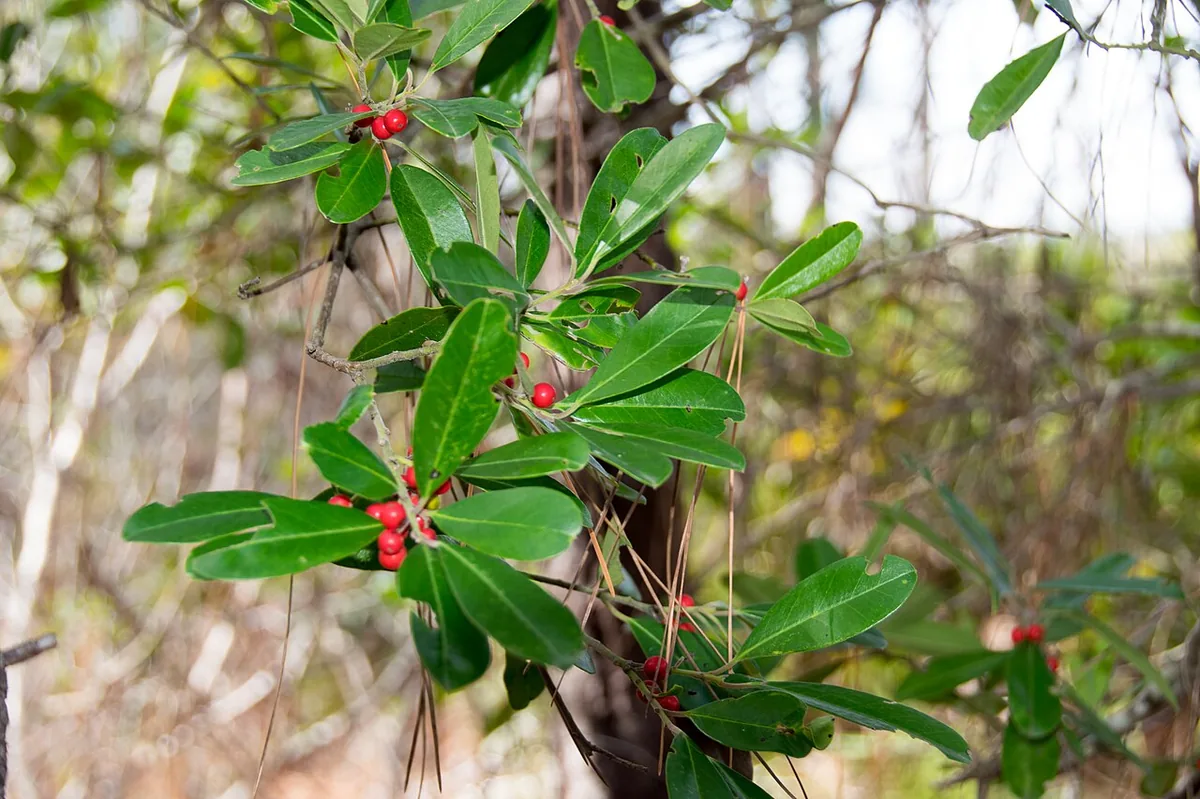 Tree
FL Native
Dahoon Holly
20–30 ft tall × 8–12 ft spread (can reach 40 ft) · Full sun to part shade · Moderate
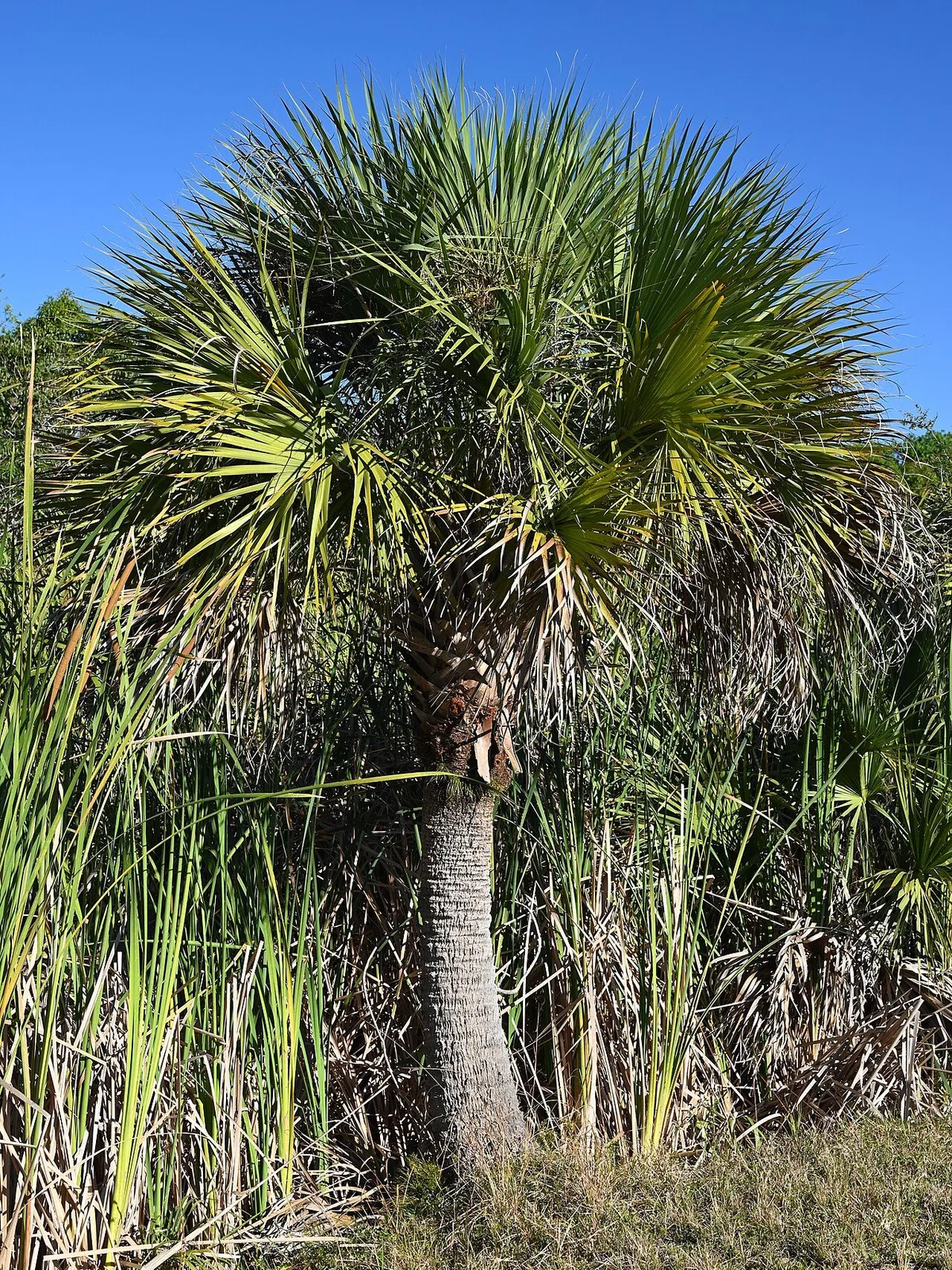 Tree
FL Native
Cabbage Palm (Sabal Palm)
Trunk to about 40 ft (30–80 ft overall range) · Full sun to part shade · Moderate while establishing