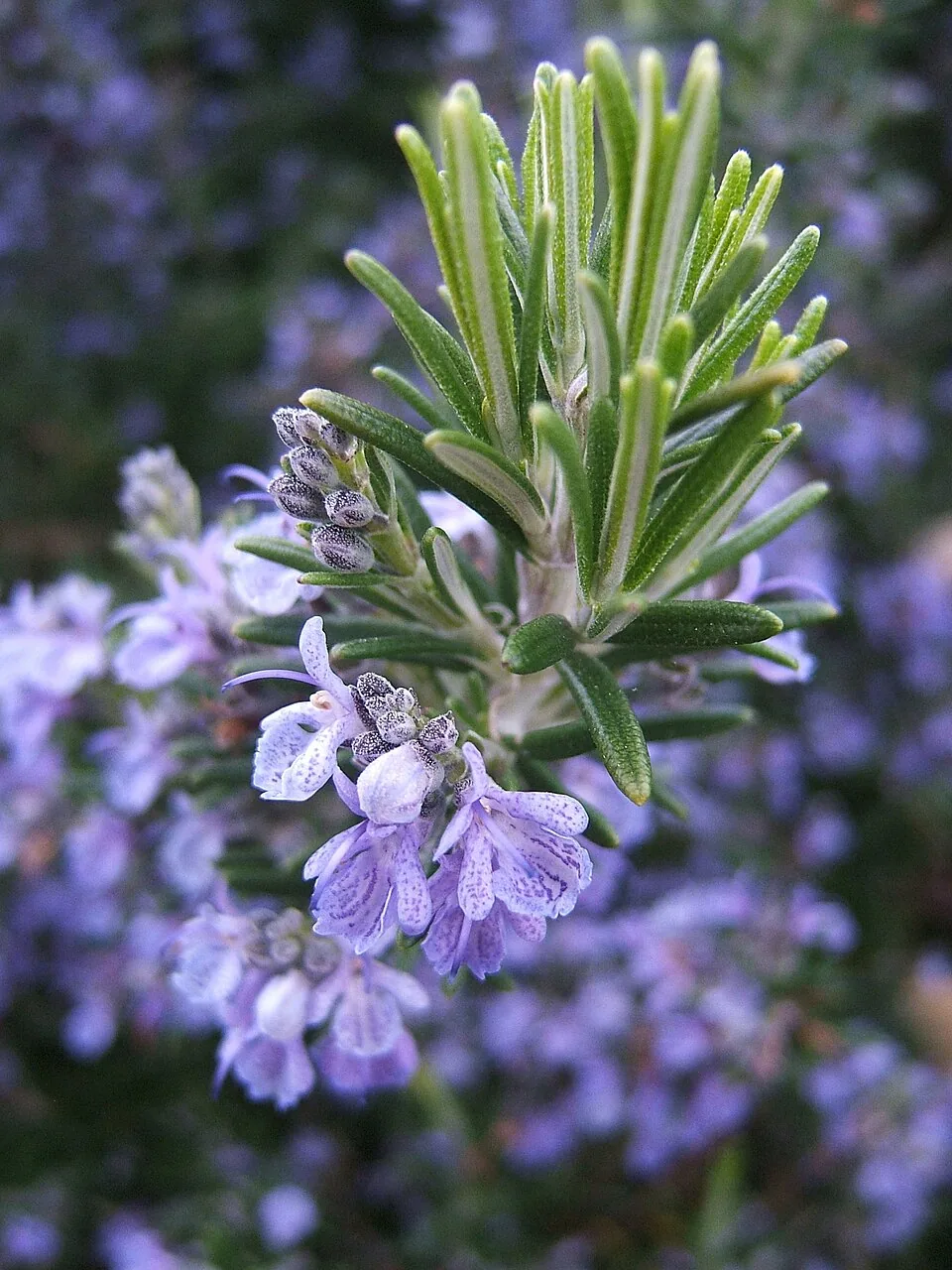
Culinary Rosemary
Salvia rosmarinus (syn. Rosmarinus officinalis) · Shrub
Florida-Friendly Status Check
Florida-Friendly non-native herb (Mediterranean) — non-invasive, drought-proof, and distinct from native Florida Rosemary (Ceratiola ericoides).
| Mature Size | 2–4 ft tall × 3–4 ft wide (upright or cascading cultivars) |
|---|---|
| Sunlight | Full sun (6+ hours) |
| Water | Low; thrives in dry Hernando sand—overwatering causes root rot |
| Soil | Dry, lean, sharply drained sandy soil; tolerates neutral to slightly alkaline soil and salt spray |
| Bloom & Fruit | Clusters of pale lavender-blue flowers primarily in cool winter and spring months. |
Wildlife Value
Provides crucial cool-season nectar and pollen for native bees and honeybees when summer wildflowers are dormant.
In Zone 9B (Spring Hill / Hernando)
Loves Zone 9B winters and spring weather; the main challenge is July–August humidity—give it open air circulation and sharp drainage so summer rains don't rot the crown.
Grow Notes
- Plant on raised mounds or sunny herb edges with pine-bark or coarse sand drainage—never bury in heavy damp mulch against the stem.
- Pick 'Arp' or 'Tuscan Blue' for upright form, or 'Prostratus' to spill over raised veggie beds.
Sources: UF/IFAS Gardening Solutions, “Rosemary”; Florida-Friendly Landscaping™ Edible & Herb Guides.
Pairs Well With in Zone 9B
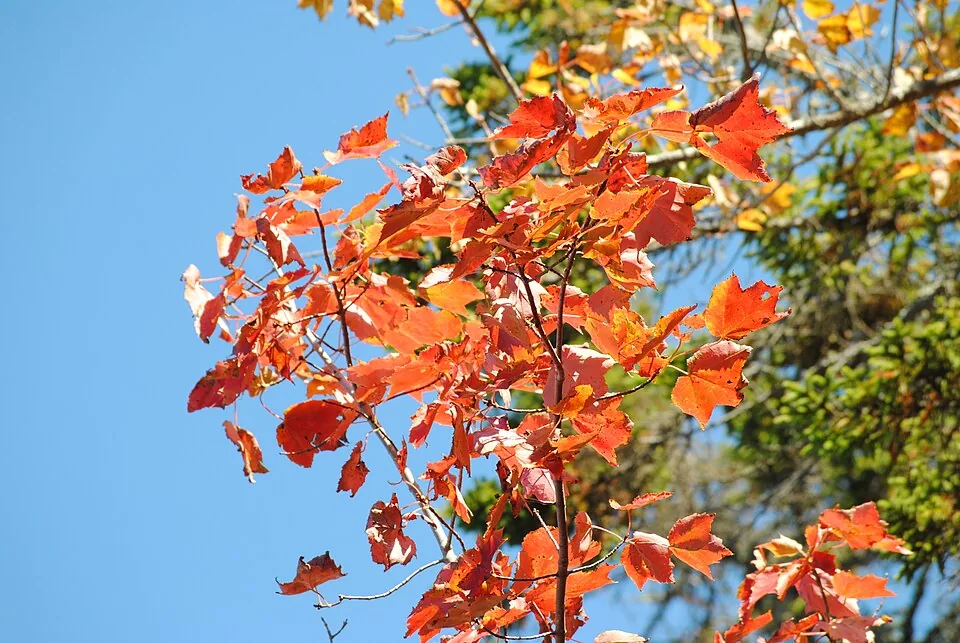 Tree
FL Native
Red Maple
60–75 ft tall × 25–35 ft spread (often shorter in South Florida unless on a wet site) · Full sun to part shade · Moderate to high
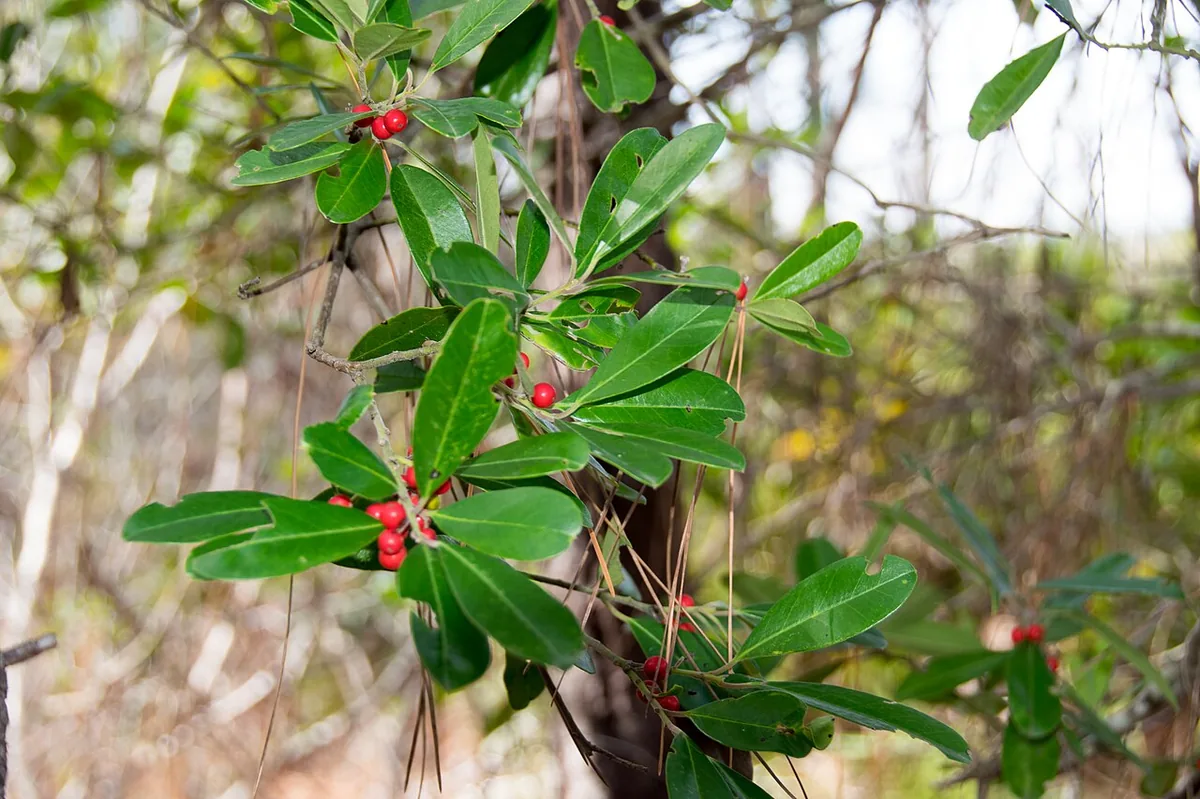 Tree
FL Native
Dahoon Holly
20–30 ft tall × 8–12 ft spread (can reach 40 ft) · Full sun to part shade · Moderate
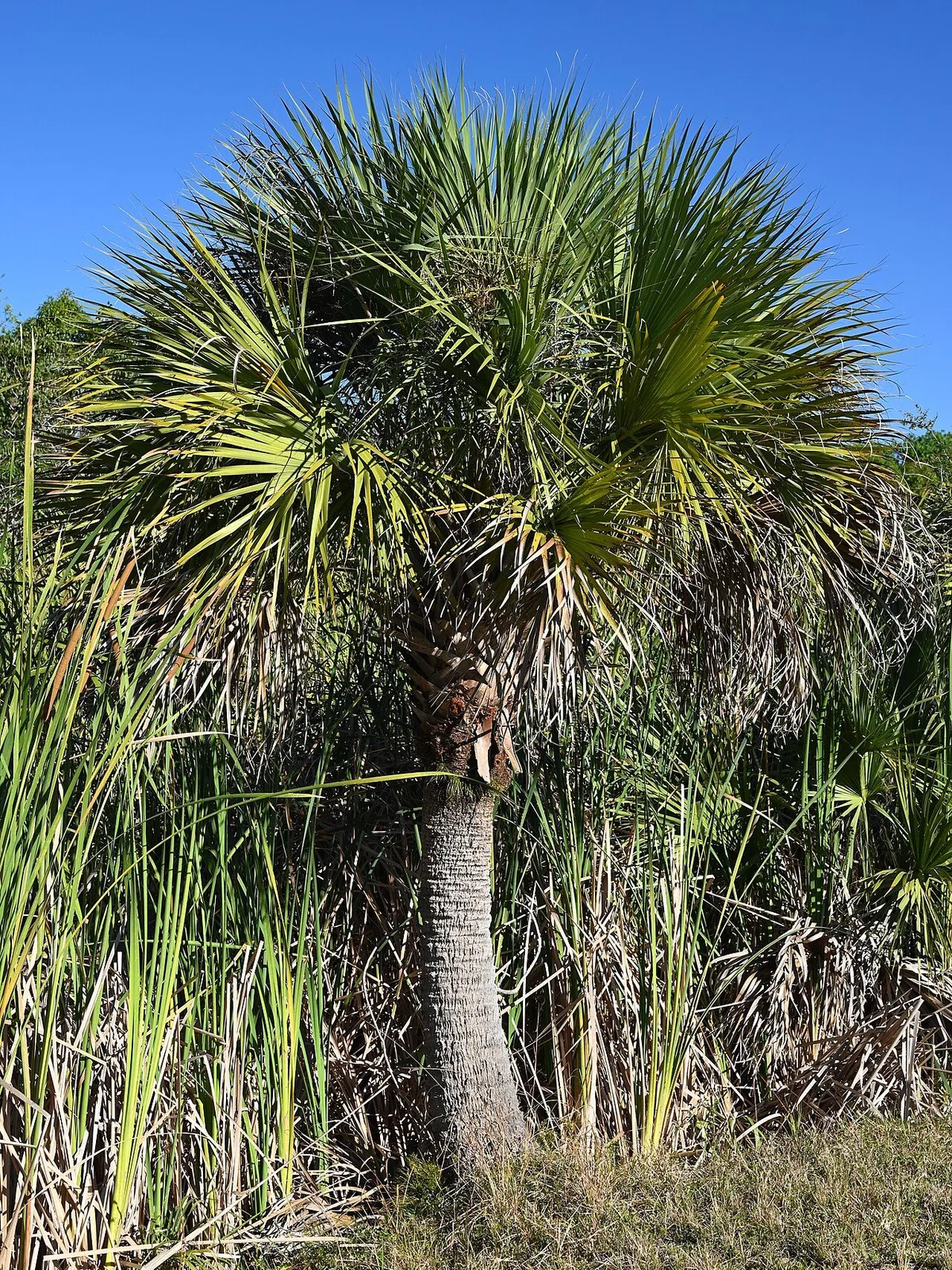 Tree
FL Native
Cabbage Palm (Sabal Palm)
Trunk to about 40 ft (30–80 ft overall range) · Full sun to part shade · Moderate while establishing