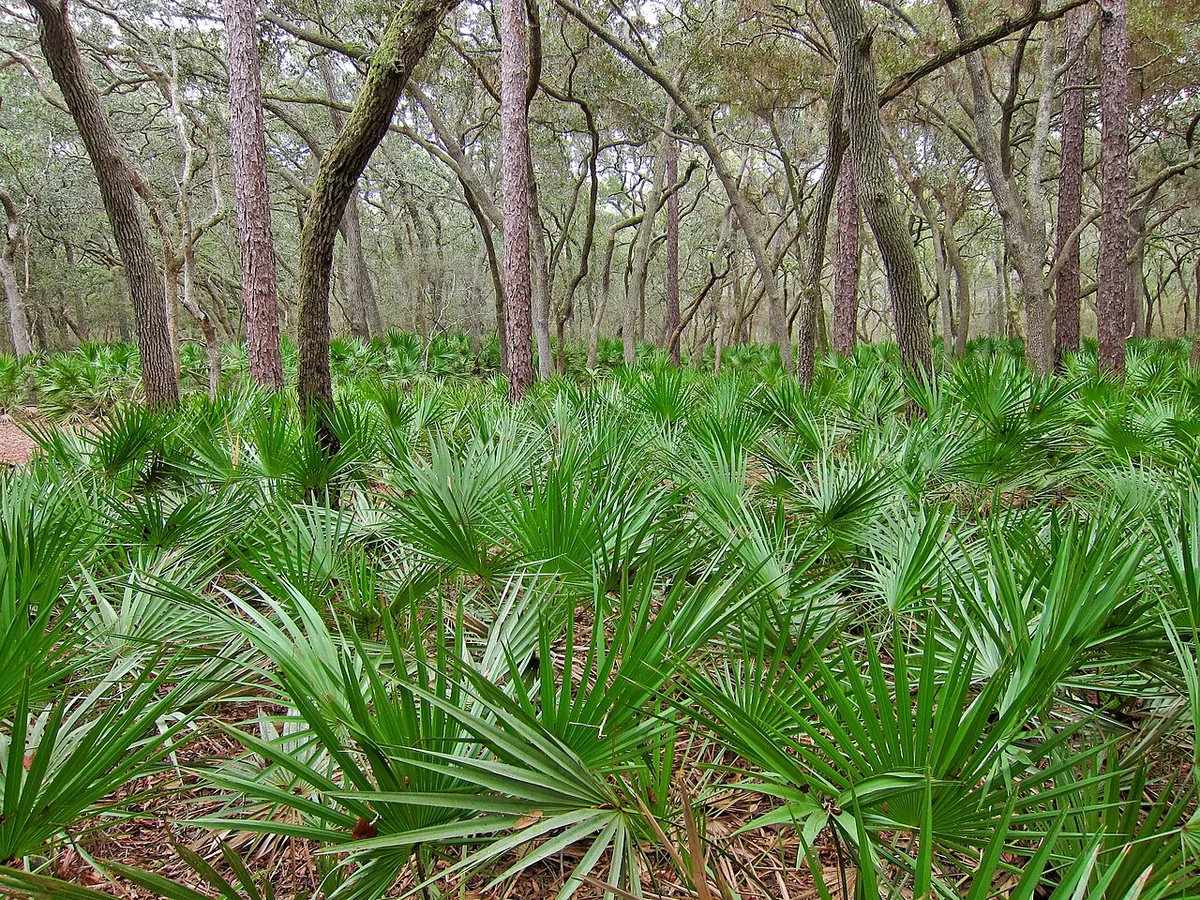
Saw Palmetto
Serenoa repens · Shrub
| Mature Size | Typically 5–10 ft tall × 4–10 ft spread |
|---|---|
| Sunlight | Full sun preferred; grows in almost any light |
| Water | Low once established; very drought-tolerant |
| Soil | Sandy soils — it thrives in poor, acidic, infertile ground and is highly salt tolerant |
| Bloom & Fruit | In spring, ~3 ft flower stalks bear small, creamy-white, fragrant flowers; berries ripen yellow to deep blue-black, August–October. The fan leaves ride on stalks armed with backward-pointing “saw” teeth. |
Wildlife Value
One of Florida's most important wildlife plants: the berries are a staple for black bears, Florida panthers, 20+ other mammals, and 100+ bird species; the flowers are a major bee nectar source (saw palmetto honey); and it's the larval host for the palmetto skipper and monk butterflies. (A state permit is required to harvest the berries.)
In Zone 9B (Spring Hill / Hernando)
UF/IFAS zones 8a–11a, cold-hardy to 11–15°F — 9B freezes are no threat. Extremely long-lived (centuries) and very slow-growing. Firewise caution: saw palmetto is flammable, so don't plant it close to the house in fire-prone areas.
Grow Notes
- Best established from containers — it's difficult to transplant from the field, so buy nursery-grown.
- Wear gloves and long sleeves: the saw-toothed stalks cut skin. Give it 3–5 ft of space and keep it out of walkway edges.
Sources: UF/IFAS EDIS FP547; UF/IFAS Gardening Solutions, “Saw Palmetto.”
Pairs Well With in Zone 9B
 Tree
FL Native
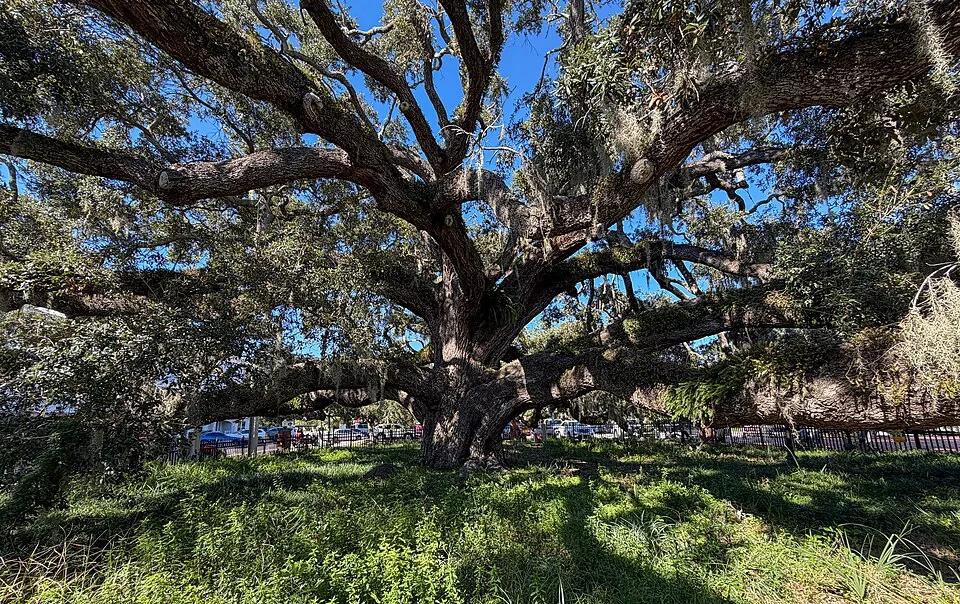
Live Oak
60–80 ft tall × 60–120 ft spread · Full sun to part shade · Moderate
 Tree
FL Native
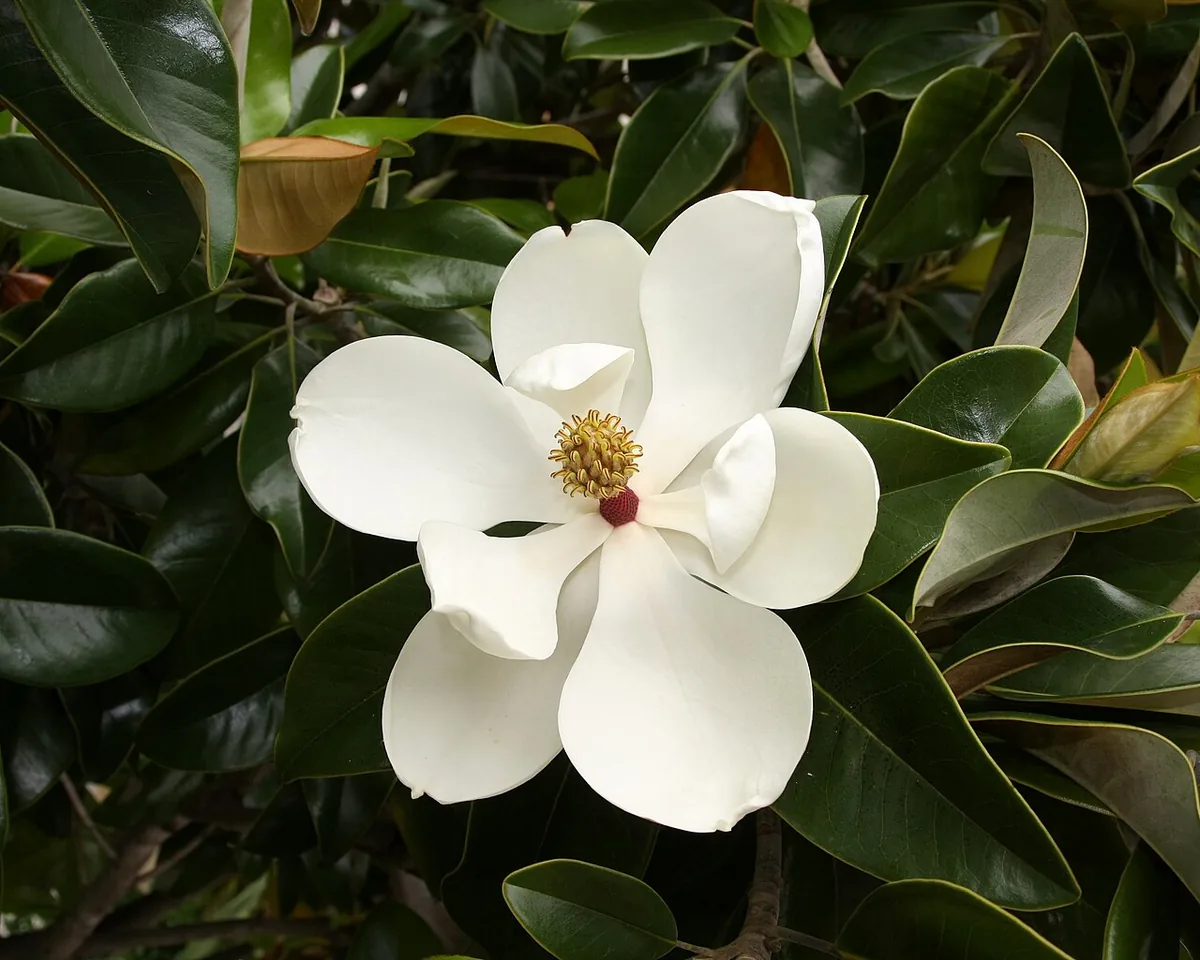
Southern Magnolia
60–80 ft tall × 30–40 ft spread · Full sun to part shade · Moderate
 Tree
FL Native
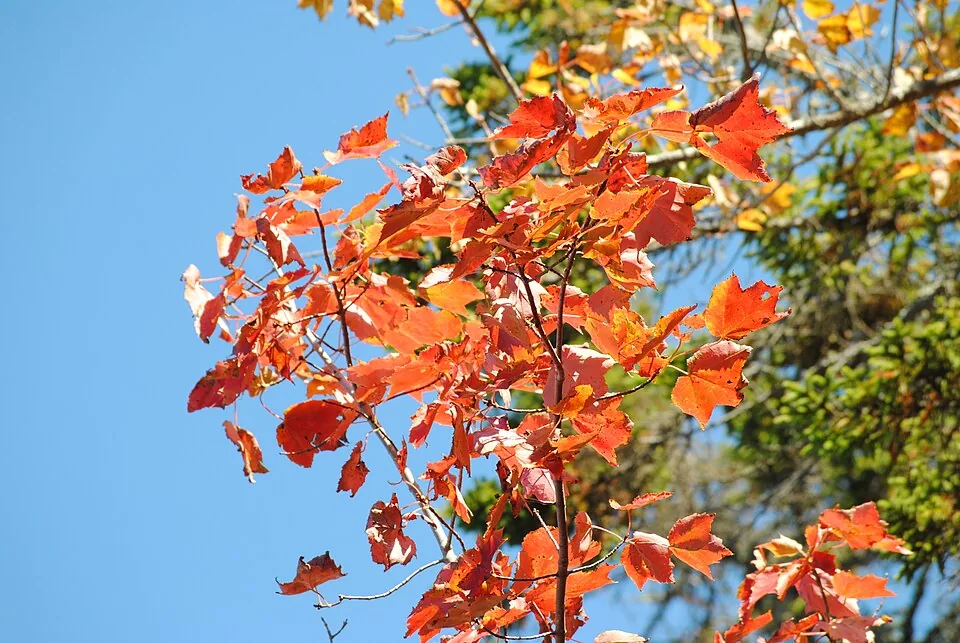
Red Maple
60–75 ft tall × 25–35 ft spread (often shorter in South Florida unless on a wet site) · Full sun to part shade · Moderate to high