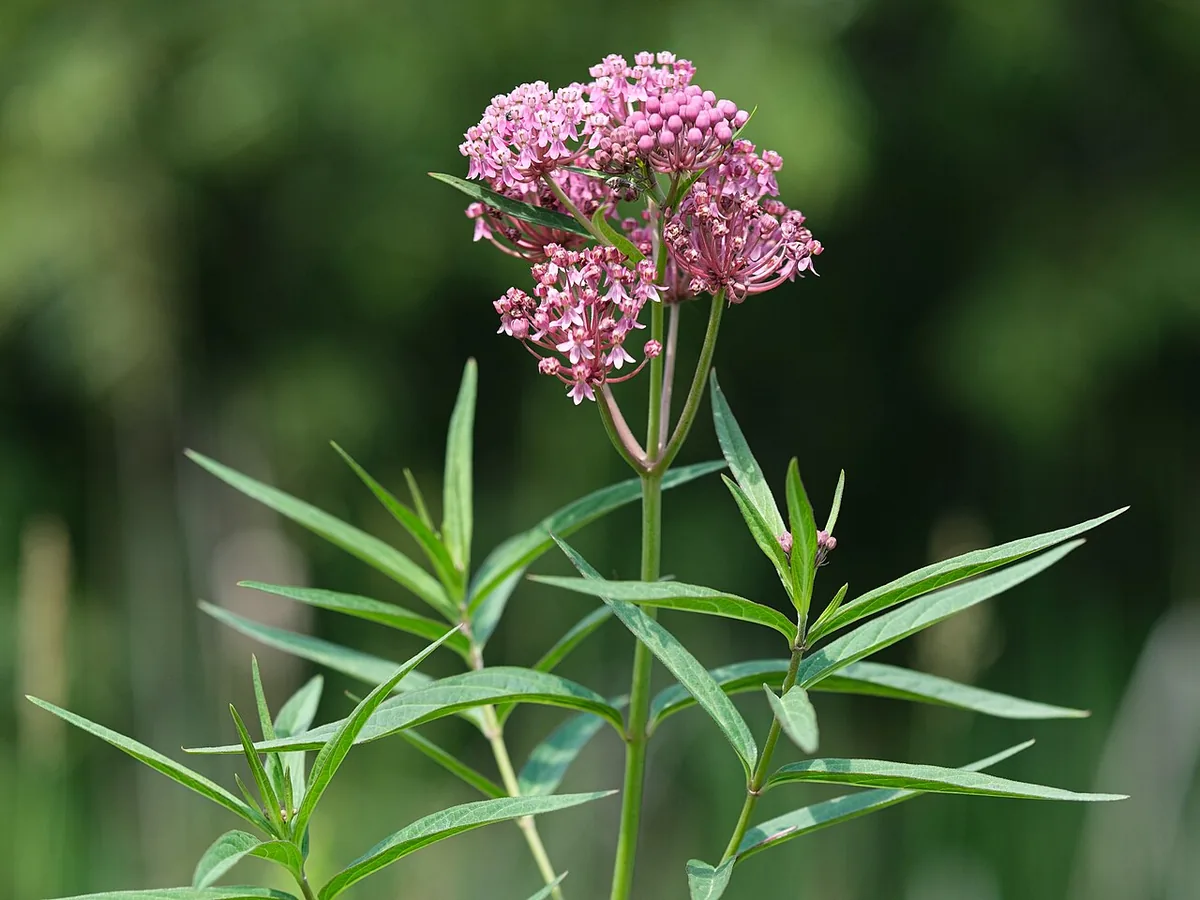
Swamp Milkweed
Asclepias incarnata · Wildflower
| Mature Size | 2–4 ft tall × 1.5–2 ft wide (taller in constantly wet ground) |
|---|---|
| Sunlight | Full sun to part shade |
| Water | High — needs moderate to moist soils and lots of water |
| Soil | Moist soils, including wet ground and sand/loam that stays damp |
| Bloom & Fruit | Light pink to rose, slightly fragrant flower clusters, spring through fall. Winter-dormant: it dies back in the cool months and returns in spring. |
Wildlife Value
Milkweed is the larval host for the monarch, queen, and soldier butterflies — verified by UF/IFAS — and its nectar draws bees and other beneficial insects.
In Zone 9B (Spring Hill / Hernando)
Cold is not the limit in 9B; moisture is. Plant it at a downspout, pond edge, rain garden, or low spot that stays damp. In a sandy yard, grow it in a non-draining container or pond liner near a hose (the UF/IFAS Polk County method). And the warning that matters most on this page: never substitute tropical milkweed (A. curassavica) — UF/IFAS assessed it as invasive in Florida in June 2025, it stays green all winter, disrupts monarch migration, and can harbor the OE parasite. Check the tag for A. incarnata.
Grow Notes
- Site it wet and water through dry spells — don't let it dry out in summer.
- Expect oleander aphids; monarchs still feed and develop fine under high aphid density. Tolerate them or rinse them off — no systemic insecticides on milkweed.
Sources: UF/IFAS EDIS ENY-2140/IN1482; UF/IFAS Hillsborough County (tropical milkweed status, 2025); FNPS Plant Database.
Pairs Well With in Zone 9B
 Tree
FL Native
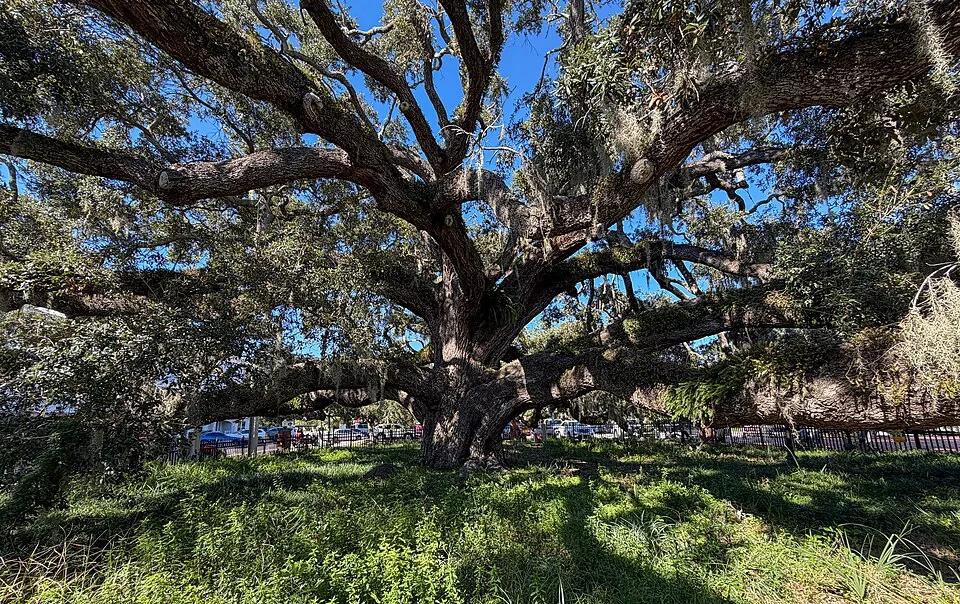
Live Oak
60–80 ft tall × 60–120 ft spread · Full sun to part shade · Moderate
 Tree
FL Native
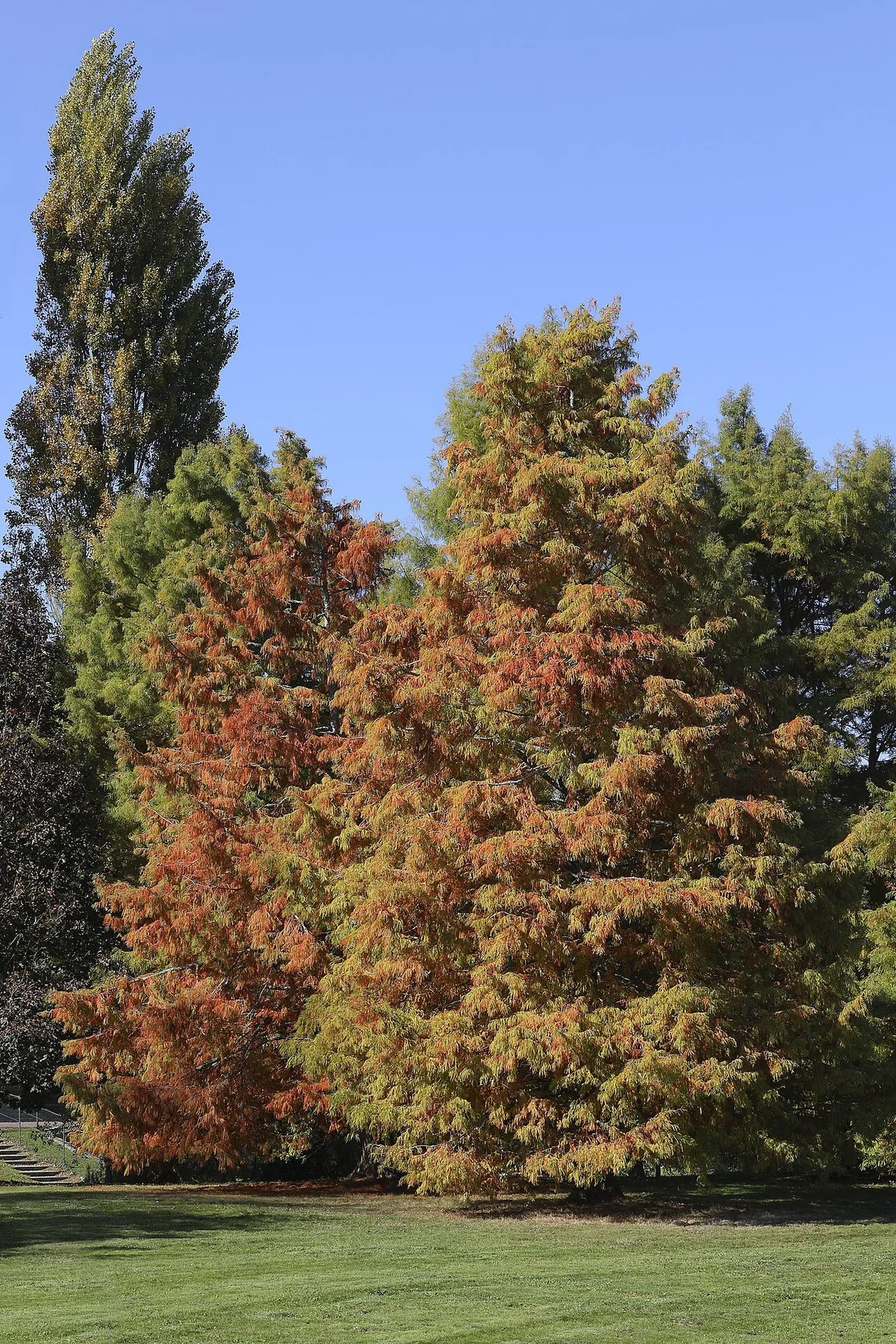
Bald Cypress
60–80 ft tall × 25–35 ft spread · Full sun to part shade · Loves wet
 Tree
FL Native
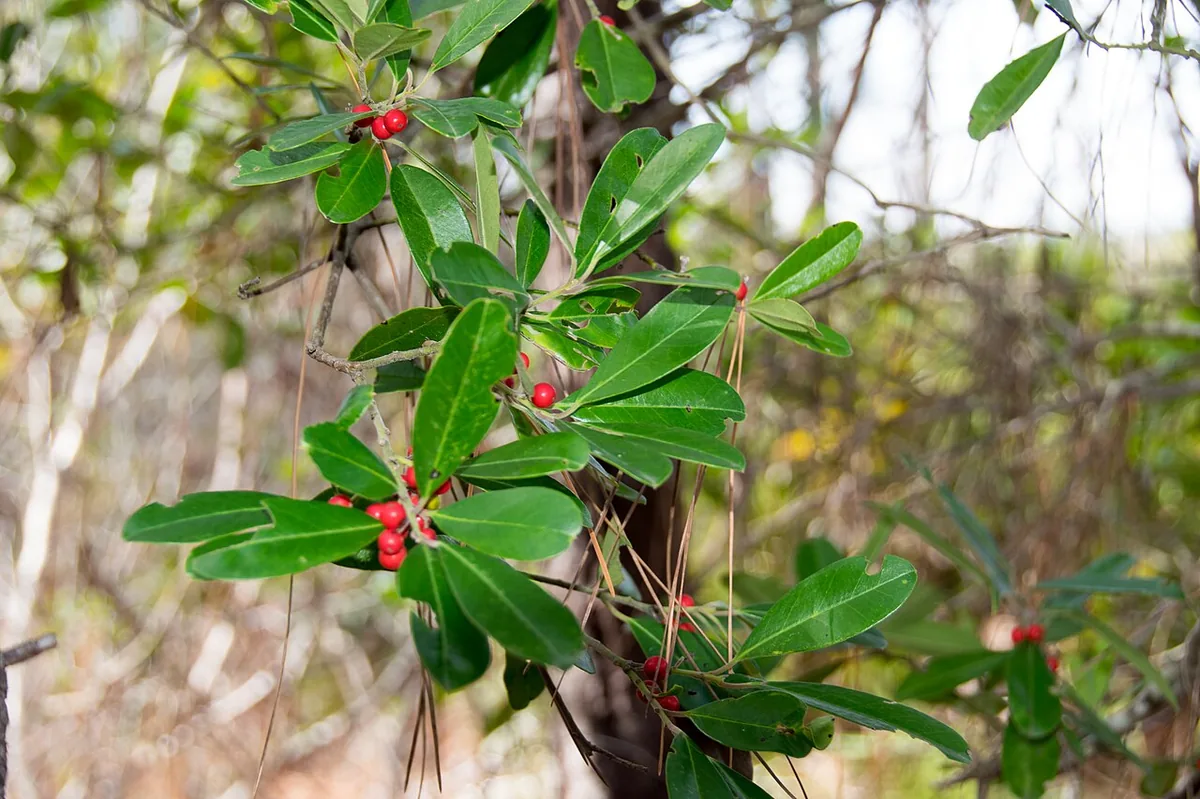
Dahoon Holly
20–30 ft tall × 8–12 ft spread (can reach 40 ft) · Full sun to part shade · Moderate