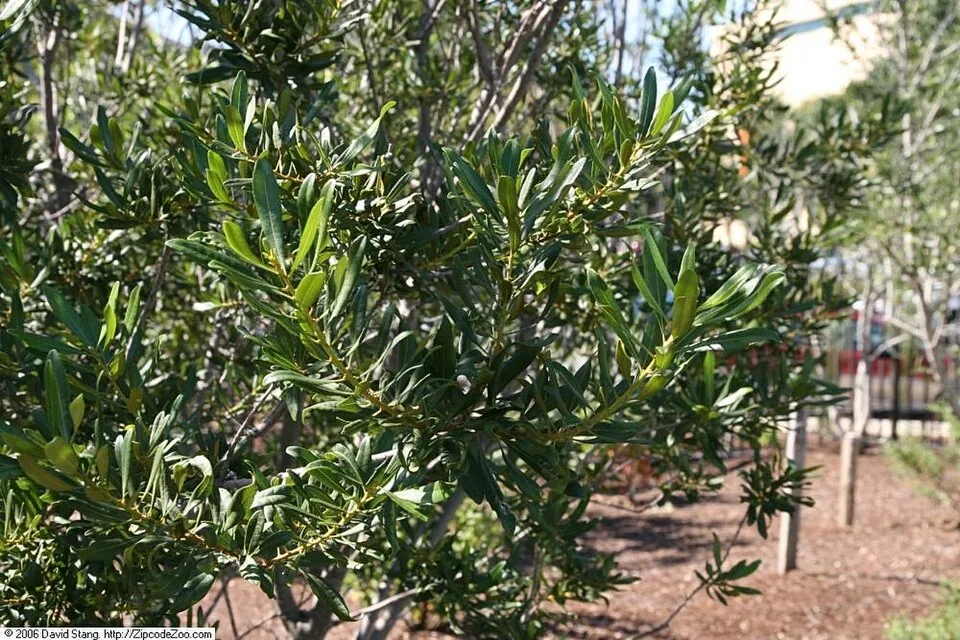
FL NativeShrubButterfly hostBird food
Wax Myrtle
Morella cerifera (syn. Myrica cerifera) · Shrub
| Mature Size | 10–15 ft tall × ~8 ft spread |
|---|---|
| Sunlight | Full sun to part sun |
| Water | Moderate; adaptable to wet or dry once established, but dislikes extremes of either |
| Soil | Sand, loam, or limerock, acidic to near-neutral. It fixes nitrogen with its roots, so it tolerates poor, infertile sand. Tolerates salty wind, not saltwater flooding |
| Bloom & Fruit | Inconspicuous spring flowers; small round blue waxy berries ripen late summer–early fall — on female plants only (the species is dioecious). |
Wildlife Value
Larval host for the banded hairstreak and red-banded hairstreak butterflies. The berries are important winter food for yellow-rumped warblers and other migrants, and the dense growth is good cover.
In Zone 9B (Spring Hill / Hernando)
FNPS lists zones 8A–11 — 9B is comfortable. Fast-growing (several feet a year in good conditions), so it's the quick screen of this group. Like saw palmetto, it's flammable — plant it away from building walls in fire-prone areas.
Grow Notes
- Buy a female plant if you want berries, or plant several to be sure of both sexes.
- Expect root suckers: prune to shape and remove suckers to keep it from thicketing.
Sources: FNPS Plant Database, Morella cerifera; UF/IFAS EDIS AG336.
Pairs Well With in Zone 9B
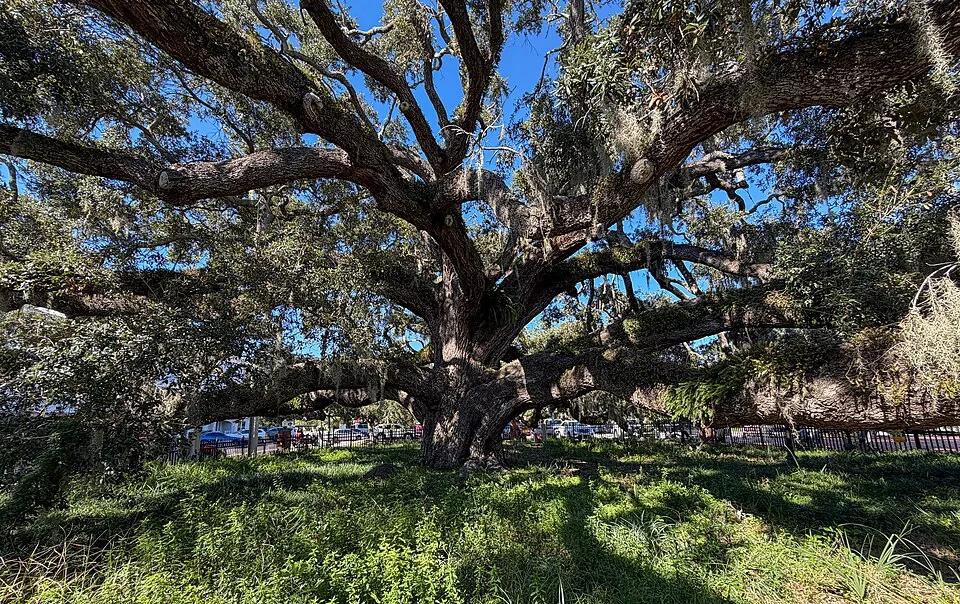 Tree
FL Native
Live Oak
Quercus virginiana
60–80 ft tall × 60–120 ft spread · Full sun to part shade · Moderate
FL NativeTreeButterfly host
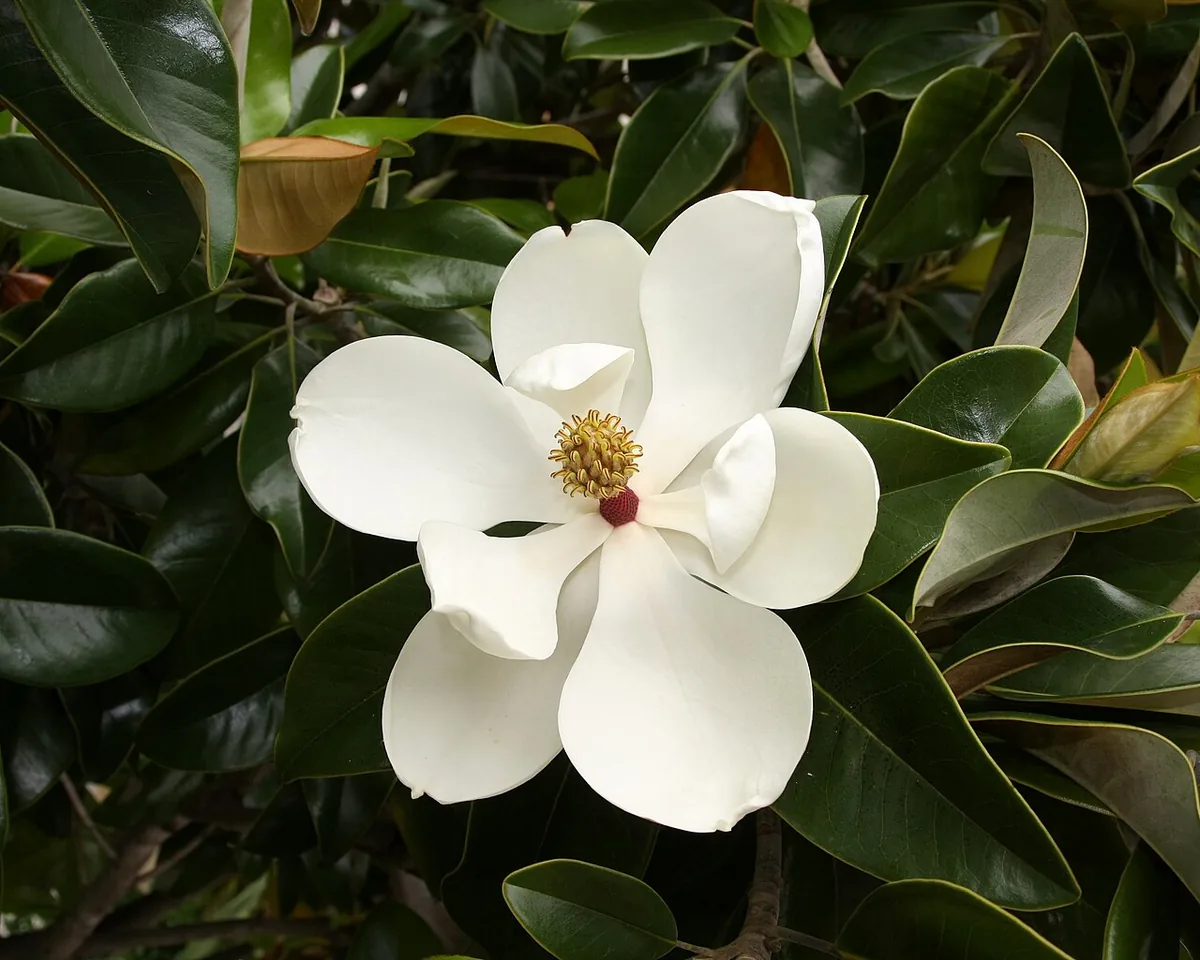 Tree
FL Native
Southern Magnolia
Magnolia grandiflora
60–80 ft tall × 30–40 ft spread · Full sun to part shade · Moderate
FL NativeTree
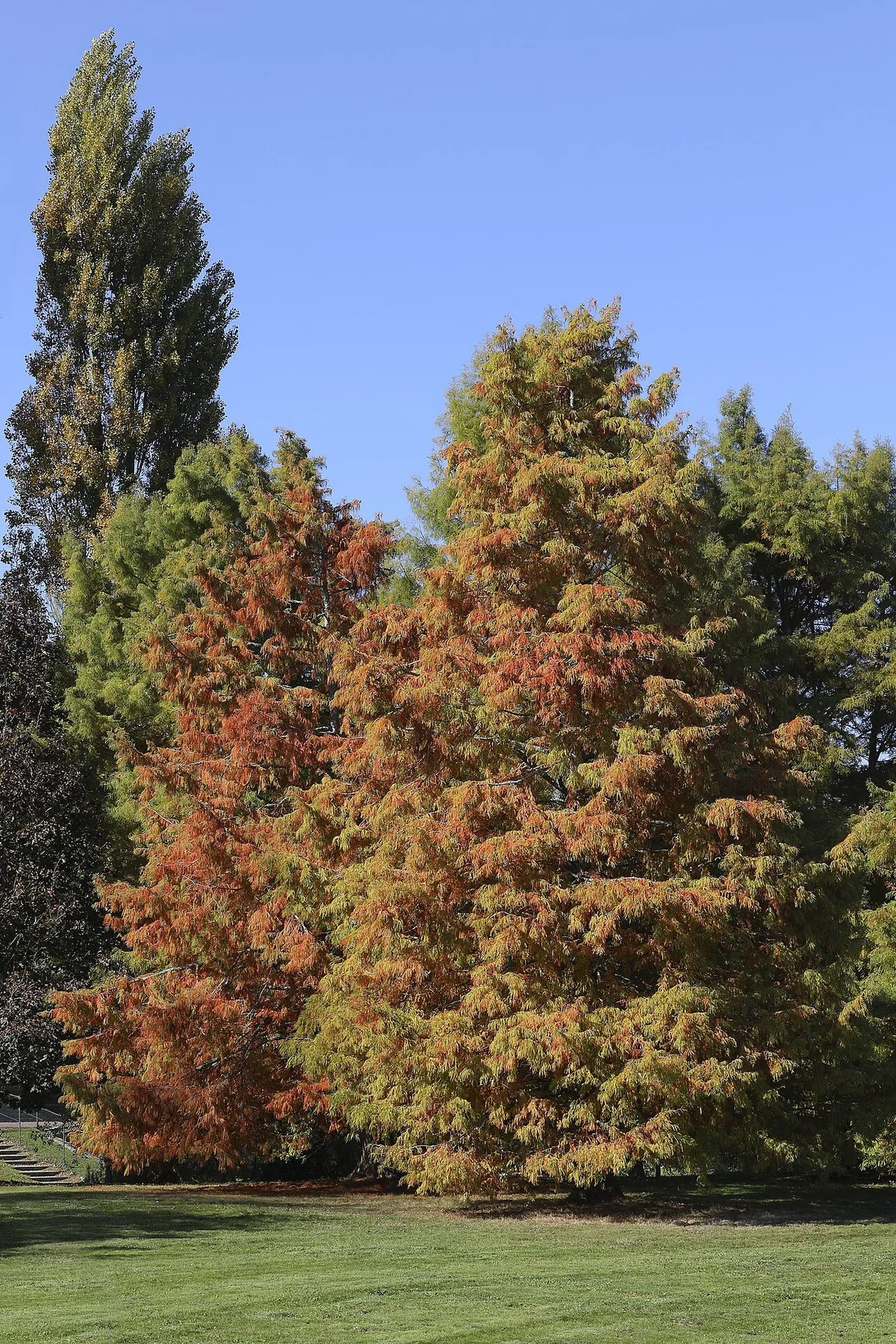 Tree
FL Native
Bald Cypress
Taxodium distichum
60–80 ft tall × 25–35 ft spread · Full sun to part shade · Loves wet
FL NativeTree