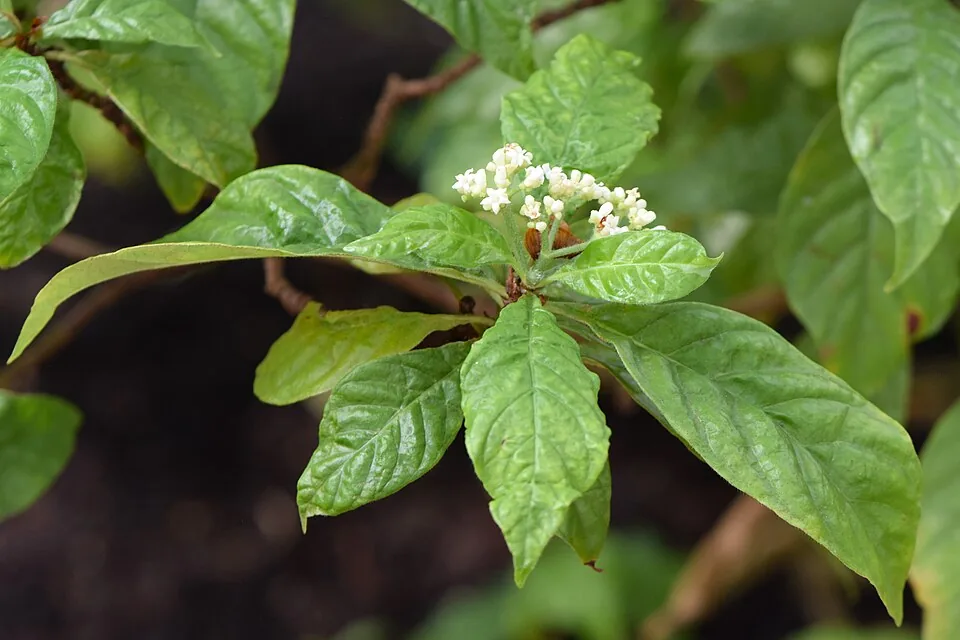
Wild Coffee
Psychotria nervosa · Shrub
Zone 9B Honesty Check
Cold-tender — sheltered shade only in 9B.
| Mature Size | 4–10 ft tall × 4–8 ft spread |
|---|---|
| Sunlight | Part shade to shade — not constant full sun |
| Water | Moderate; moderately drought-tolerant once established |
| Soil | Any well-drained soil; tolerates acidic, alkaline, sand, loam, and clay. Poor salt tolerance |
| Bloom & Fruit | Small white flowers in terminal clusters, spring–summer (nearly year-round except in cold or drought), followed by small red berries. The glossy, deeply veined leaves are the real ornament. (Not a coffee substitute, despite the name.) |
Wildlife Value
A nectar plant for atala, great southern white, julia, and Schaus' swallowtail butterflies, plus bees, wasps, flies, and beetles — and birds eat the red fruit. A correction worth making: wild coffee is often called a Ruddy Daggerwing host, but it isn't one — that butterfly's larval hosts are figs (Ficus spp.). Wild coffee feeds the adults nectar only.
In Zone 9B (Spring Hill / Hernando)
Marginal in 9B — flagged honestly. UF/IFAS lists it for zones 10B–11 and calls it very cold tender north of 10B, while FNPS lists suitability from 9A. In Hernando County, plant it only in a sheltered, shaded microclimate — under oaks, near a warm wall — and expect freeze damage in cold winters; it may regrow from the base.
Grow Notes
- Plant in shade or part shade in rich, moist, well-drained soil — in open full sun the foliage yellows.
- Space 36–60 in. apart; it clips well as a hedge or mass planting in shade.
Sources: UF/IFAS EDIS FP494; FNPS Plant Database; UF/IFAS EDIS EP420 (fig / Ruddy Daggerwing host table).
Pairs Well With in Zone 9B
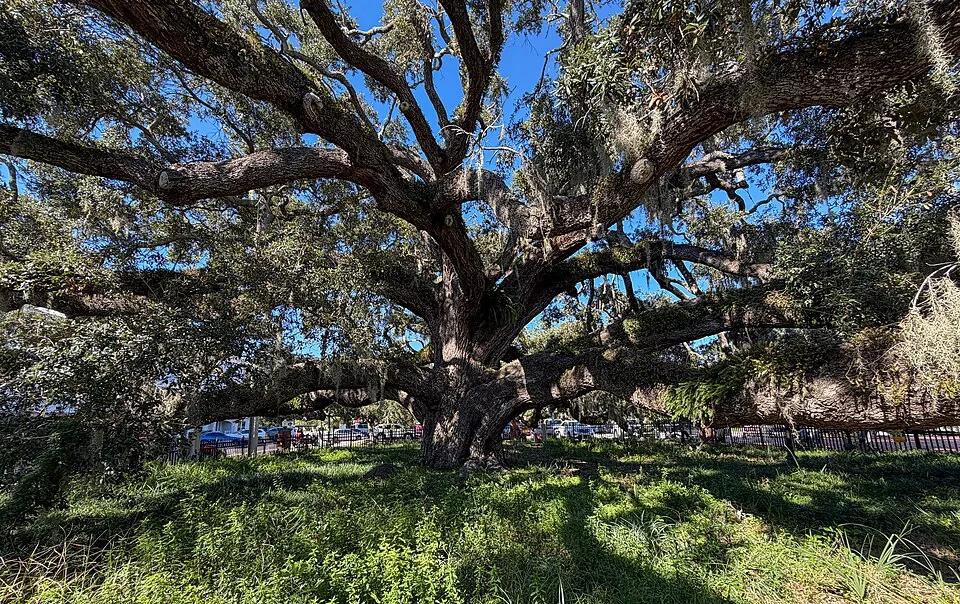 Tree
FL Native
Live Oak
60–80 ft tall × 60–120 ft spread · Full sun to part shade · Moderate
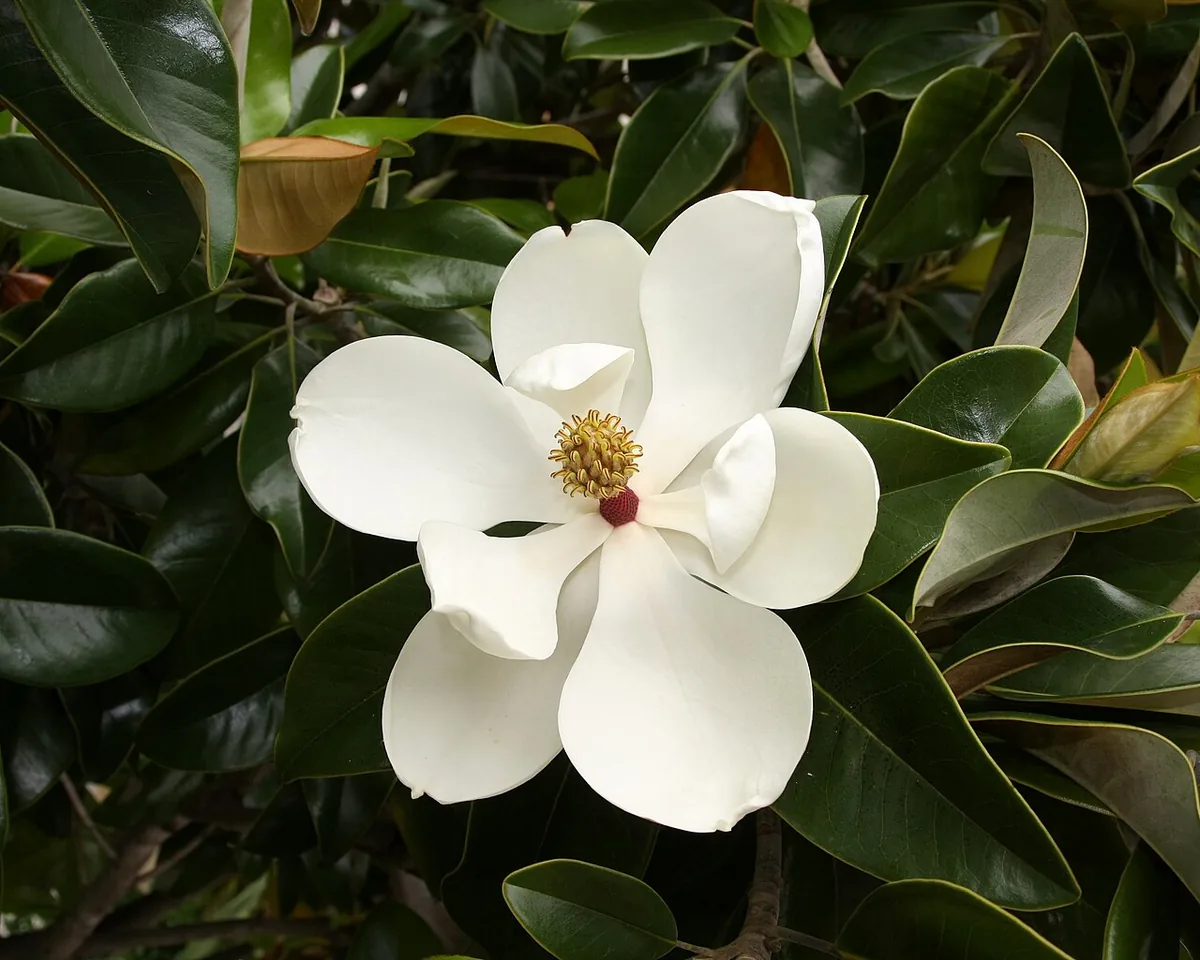 Tree
FL Native
Southern Magnolia
60–80 ft tall × 30–40 ft spread · Full sun to part shade · Moderate
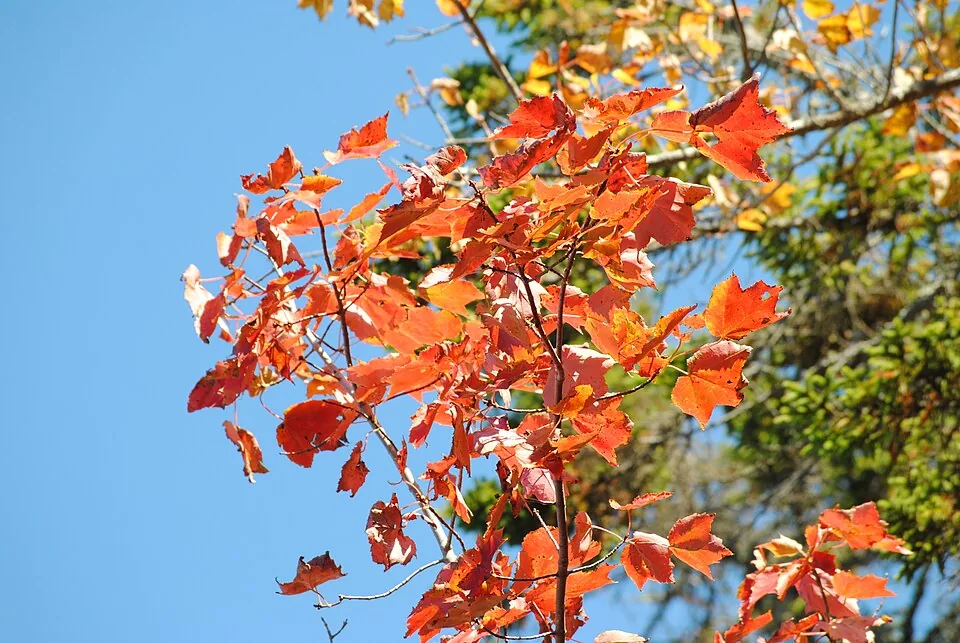 Tree
FL Native
Red Maple
60–75 ft tall × 25–35 ft spread (often shorter in South Florida unless on a wet site) · Full sun to part shade · Moderate to high