Advanced Methods
Grow Smarter, Not Harder
Florida-adapted growing systems that work with nature instead of against it. Food forests, permaculture design, water harvesting, and regenerative techniques built for the Sunshine State.
Four Systems That Thrive in Florida
These methods were designed — or naturally adapted — to Florida's subtropical climate, sandy soils, and seasonal rhythms.
Food Forest Design
Layer trees, shrubs, herbs, groundcovers, and vines into a self-sustaining, productive system that mimics a natural Florida forest.
Explore food forests →Permaculture Principles
Design with nature, not against it. Florida's climate makes permaculture practical — year-round growing, water abundance, and incredible biodiversity.
Learn permaculture →Rainwater Harvesting
Florida gets 54 inches of rain per year — then wastes most of it. Swales, rain gardens, and cisterns put that water to work in your landscape.
Harvest rainwater →Hugelkultur Beds
Raised beds built over buried wood — which slowly decomposes, releases nutrients, and holds moisture through Florida's dry spells.
Build hugelkultur →Method 01
Food Forest Design
A food forest stacks plants in layers — canopy, understory, shrub, herb, groundcover, vine, and root — to create a self-sustaining system that produces food, supports wildlife, and improves the land over time.
In Florida, the right plant palette turns this from theory into a productive, low-maintenance reality. Moringa, loquat, citrus, and chaya combine with native shrubs and wildflowers to create something that feeds your family and your local ecosystem at the same time.
Start Your Florida Food Forest →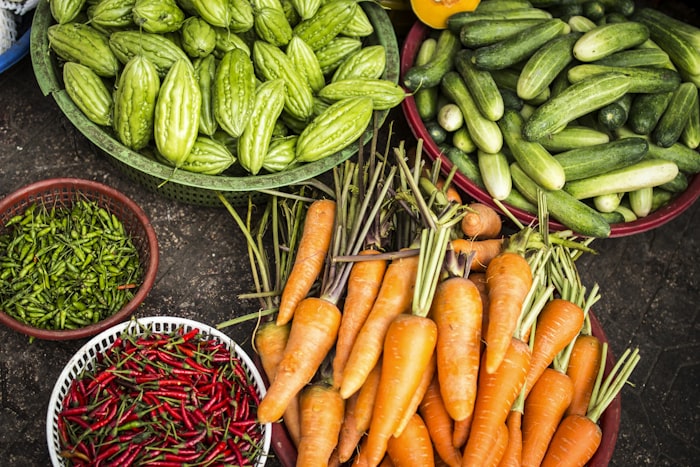
Method 02
Permaculture Principles
Permaculture isn't a set of techniques — it's a design philosophy. Observe your land, work with its natural patterns, and build systems that become more productive over time with less effort from you.
Florida's biodiversity, year-round growing season, and abundant rainfall make it one of the best places in North America to apply permaculture principles. The land wants to grow — your job is to guide it.
Learn Permaculture Design →
Method 03
Rainwater Harvesting
Florida averages 54 inches of annual rainfall — more than Seattle or Portland — but most of it runs off impervious surfaces and into storm drains within hours of falling. Meanwhile, homeowners run irrigation systems from municipal water.
Swales channel runoff into the landscape. Rain gardens filter and absorb it. Cisterns store it for dry-season use. Together, these systems can eliminate or dramatically reduce irrigation needs for most Florida home landscapes.
Design Your Water System →
Method 04
Hugelkultur Beds
Hugelkultur — a German word meaning "hill culture" — is a raised bed technique built over buried logs and wood debris. As the wood slowly decomposes over years, it acts like a sponge, holding moisture and releasing nutrients steadily into the root zone.
In Florida's sandy, fast-draining soils, this is a game changer. A well-built hugel bed can go weeks without irrigation after establishment, even through dry season. It's also a perfect use for fallen trees and yard debris.
Build a Hugelkultur Bed →