Native Florida Section
Florida Native Plant Profiles
Detailed profiles for the plants that make Florida's ecosystems breathe. Each card covers sun, water, wildlife value, regional suitability, and real growing tips from people who've planted them.
20 of 20 shown
Native
🦋 Atala Host
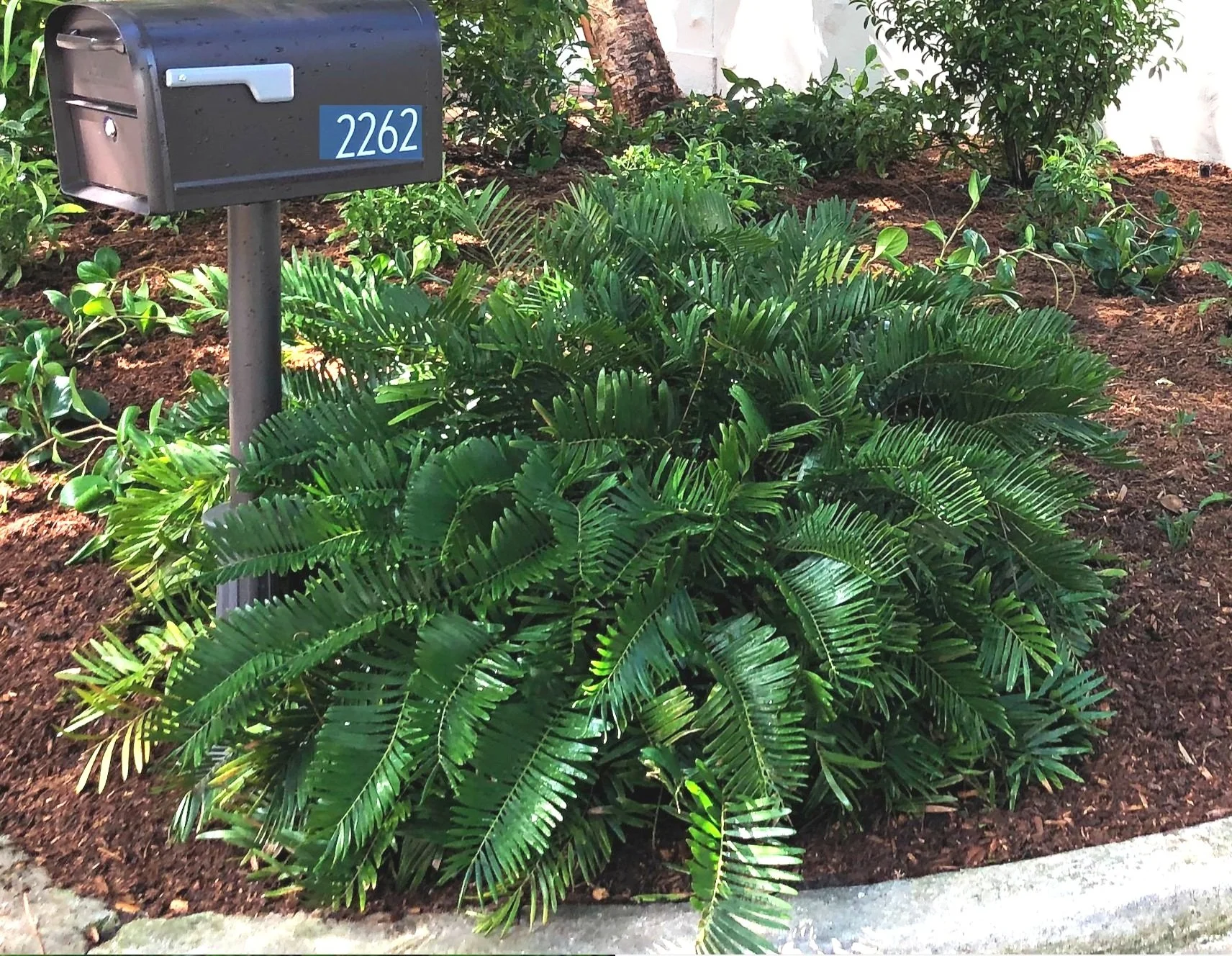
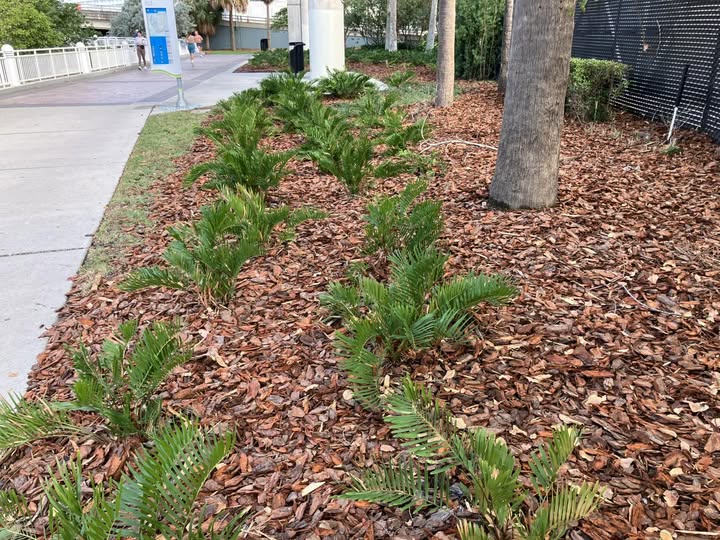
Coontie
Zamia integrifolia
Florida's only native cycad — a living fossil from the age of dinosaurs. Drought-tolerant, shade-loving, and the sole host plant for the endangered Atala butterfly.
Full–PartSun
Very LowWater
2–3 ftHeight
About This Plant
One of Earth's oldest plant species, Coontie was historically harvested for its starchy roots by both Native Americans and early settlers. Once nearly eradicated, it's now thriving again thanks to conservation gardeners. Excellent under oaks and pines where grass won't grow.
Wildlife Value
Growing Tips
Plant in well-drained, sandy or loamy soil. Avoid standing water. Once established — typically after one full growing season — it thrives on neglect. No fertilizer needed. Excellent companion to beautyberry and wild coffee.
Where It Grows in Florida
Statewide — Central and South Florida year-round. North Florida may see occasional cold damage but recovers from the roots.
Native
🐦 Bird Magnet
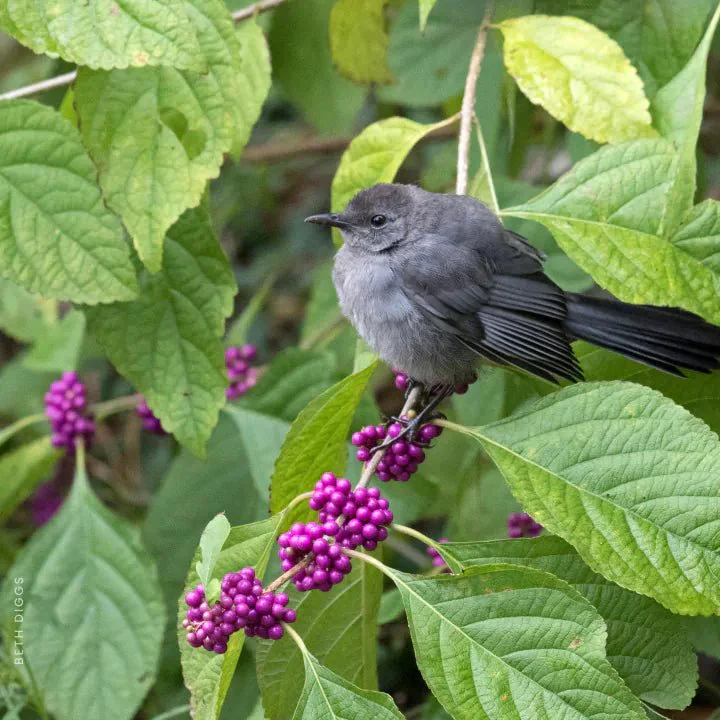
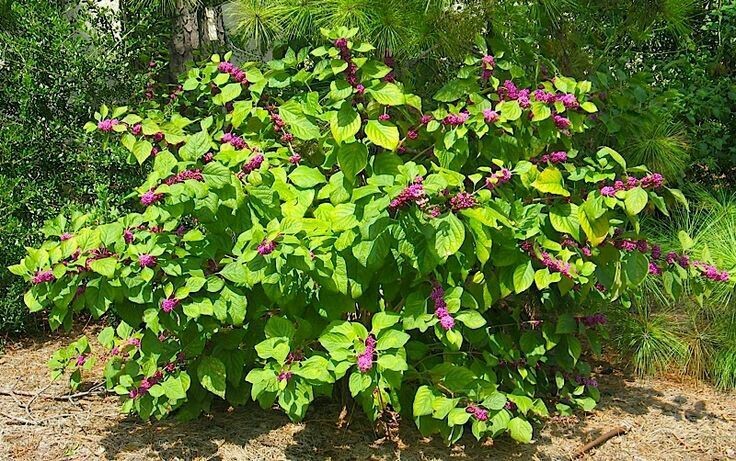
American Beautyberry
Callicarpa americana
Those clusters of vivid magenta-purple berries stop visitors in their tracks every fall — and over 40 species of Florida birds can't get enough of them.
Part SunSun
MediumWater
5–8 ftHeight
About This Plant
One of Florida's most visually spectacular native shrubs. The berries emerge in late summer and hold through winter — providing critical food for migratory and resident birds. The leaves contain callicarpenal, a natural mosquito and tick repellent. Crush a few leaves and rub on your skin.
Wildlife Value
Growing Tips
Cut back hard in late winter — to about 12–18 inches — for bushier growth and more berry clusters. Tolerates sandy or clay soil. No fertilizer needed. Deer resistant.
Native
🐦 Hummingbird ★
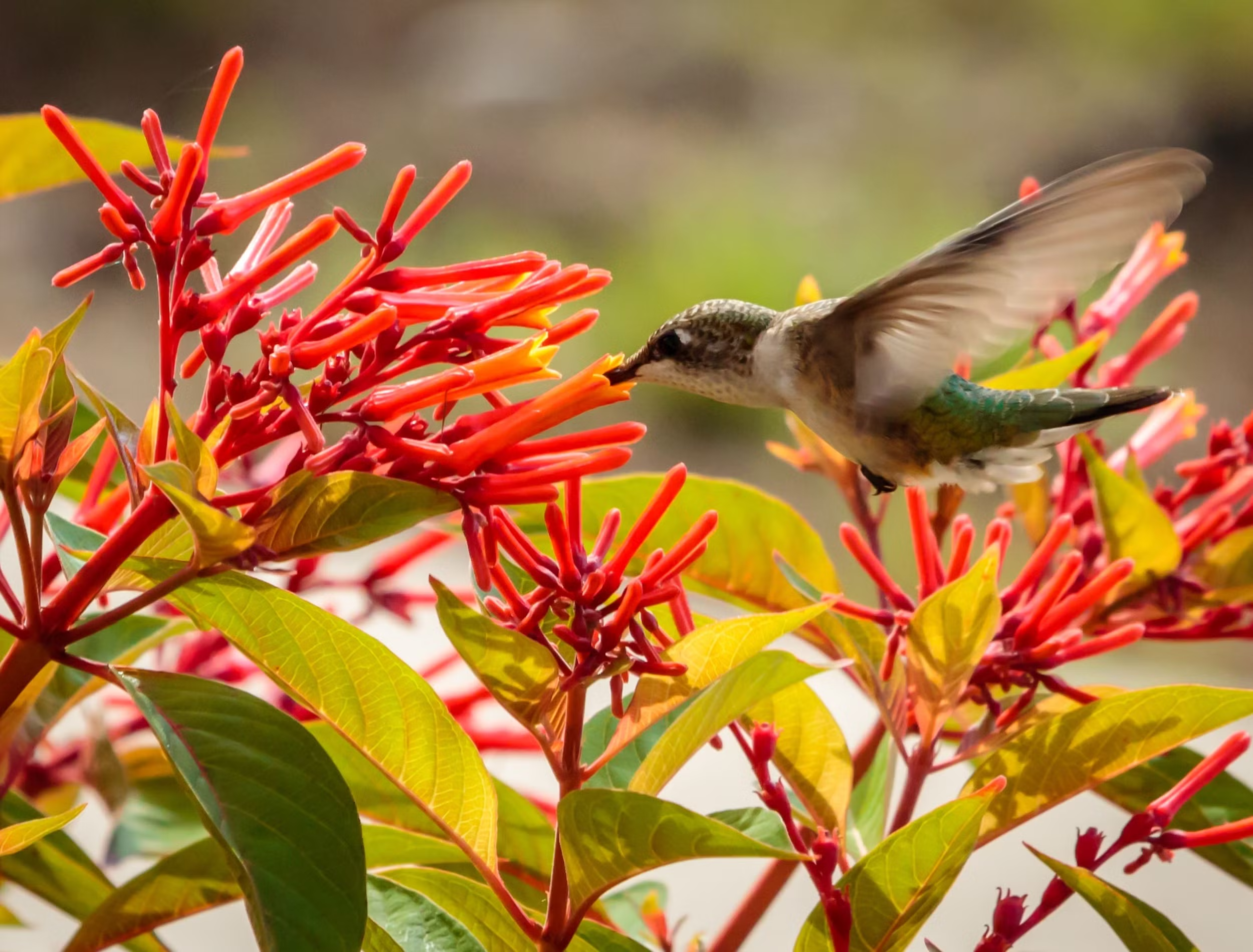
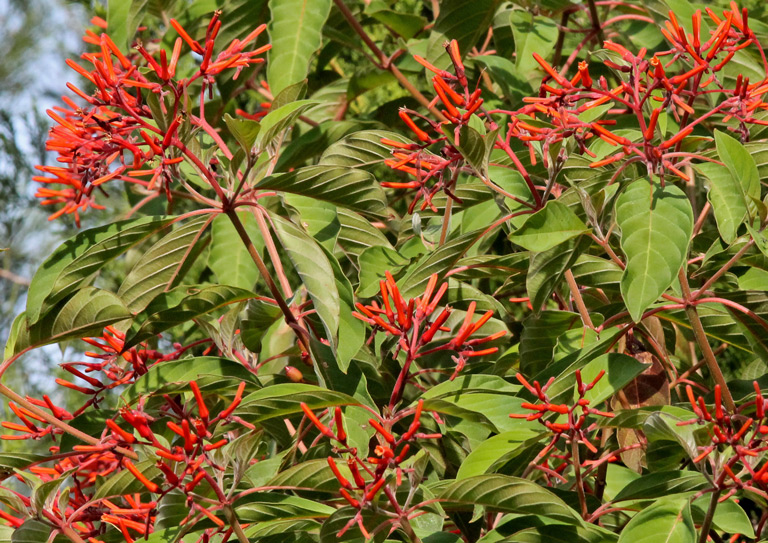
Firebush
Hamelia patens
The Florida summer champion. Blazing orange-red flowers from June through October attract hummingbirds and butterflies when nearly nothing else is blooming.
Full SunSun
Low–MedWater
6–12 ftHeight
Important — Beware Impostors
Big-box stores often sell "African Firebush" (Hamelia patens var. glabra), which is NOT a Florida native and provides less wildlife value. Always check the tag for Hamelia patens and buy from a Florida native nursery.
Wildlife Value
Growing Tips
Heat-loving and drought-tolerant once established. Will freeze to the ground in North Florida but returns from the roots. In Central and South Florida it can grow to 12 feet. Prune in early spring to shape.
Native
🌻 State Wildflower
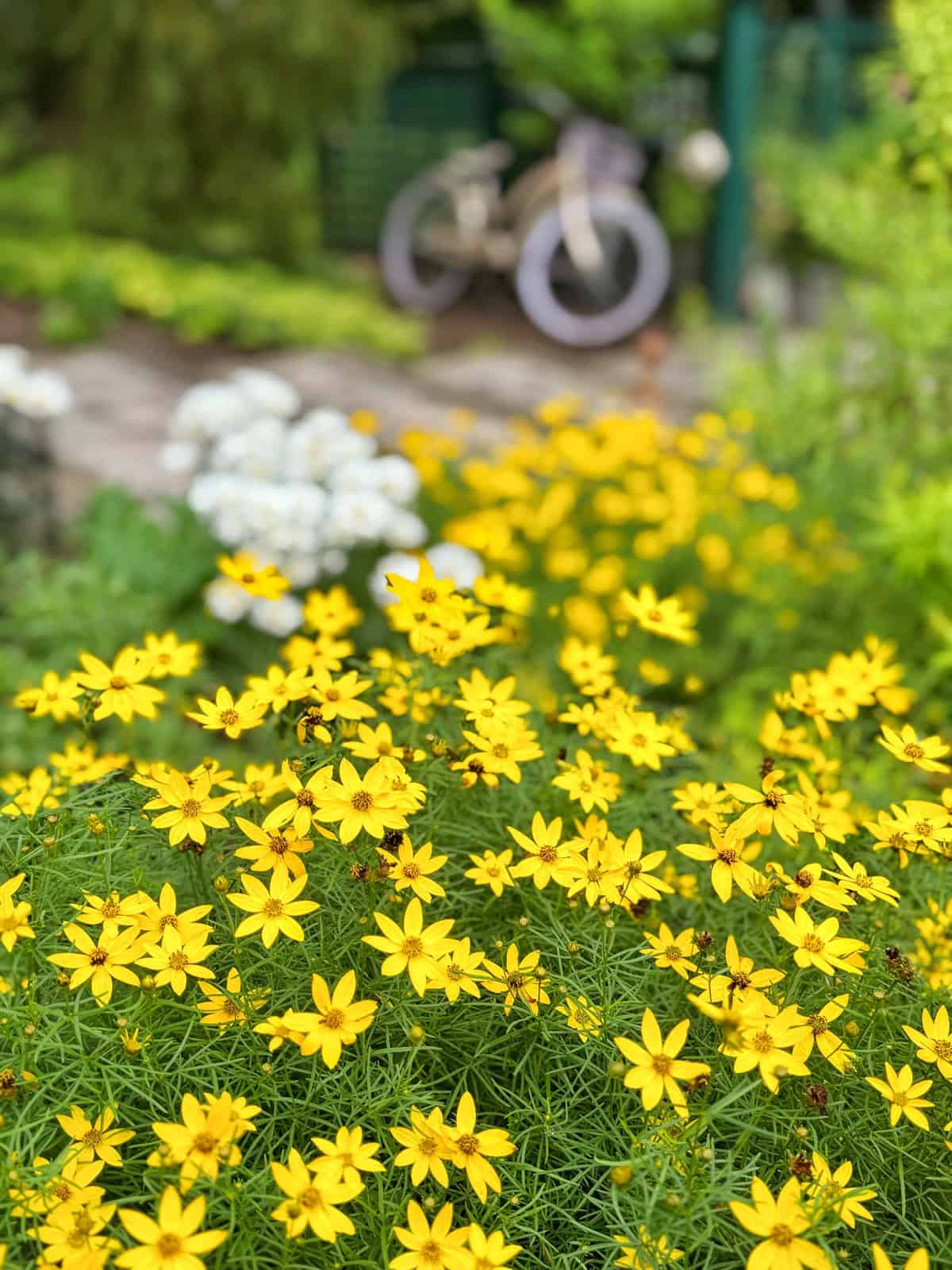
Coreopsis (Tickseed)
Coreopsis lanceolata
Florida's official state wildflower lights up roadsides and meadows in cheerful yellow every spring. Easy to grow from seed, it naturalized into drifts that attract clouds of butterflies.
Full SunSun
Very LowWater
1–3 ftHeight
About This Plant
Multiple native Coreopsis species grow in Florida, all exceptional for pollinators. Lanceolata is the most common and easiest to grow. Florida selected it as the state wildflower in 1991 after a statewide highway beautification program.
Wildlife Value
Growing Tips
Direct sow seed in fall for spring blooms. Thrives in poor, sandy soil — rich soil causes floppy growth. Allow seed heads to remain for birds and self-seeding. Deadhead to prolong bloom.
☕
Wild Coffee
Psychotria nervosa
The shade garden's best friend. Glossy, deep-green leaves and small white flowers give way to bright red berries that thrushes and vireos absolutely love.
Deep ShadeSun
MediumWater
4–8 ftHeight
About This Plant
Perfect for the understory beneath live oaks and palms. One of the few native shrubs that actually prefers full shade. Despite the name, it's not related to coffee plants — though it is in the same Rubiaceae family.
Wildlife Value
🌺
Coral Honeysuckle
Lonicera sempervirens
The most garden-friendly native vine in Florida — stunning tubular red-orange flowers all season long, growing 10–20 feet without ever becoming invasive (unlike Japanese honeysuckle).
Part–FullSun
Low–MedWater
10–20 ftClimb
Wildlife Value
Growing Tips
Train on a fence, trellis, or arbor. Blooms most heavily in spring but continues intermittently all year in Central and South Florida. Much better behaved than its invasive Japanese cousin. Deer resistant.
🦋
Butterfly Milkweed
Asclepias tuberosa
The Monarch butterfly's lifeline. This native milkweed produces vivid orange-butterscotch flower clusters and is far superior to the invasive tropical milkweed commonly sold in stores.
Full SunSun
Very LowWater
1–2 ftHeight
The Tropical Milkweed Problem
Tropical milkweed (Asclepias curassavica) is sold everywhere but keeps Monarchs from migrating south by providing year-round food. Native Florida milkweeds die back naturally in fall, which is critical for migration. If you have tropical milkweed, cut it to the ground in late October.
Wildlife Value
🍎
Gopher Apple
Licania michauxii
The go-to groundcover for dry, sandy Florida soils. Ultra-tough, evergreen, and it produces small white fruits that gopher tortoises (and many other wildlife) depend on.
Full SunSun
Very LowWater
6–12 inHeight
About
Low-growing and spreading, Gopher Apple forms mats up to 8 feet wide over time. Survives fire, drought, and total soil neglect. Essential for Florida scrub and sandhill habitats.
Wildlife Value
🌲
Dahoon Holly
Ilex cassine
Florida's native evergreen tree for wet spots. Brilliant red berries in fall and winter feed dozens of bird species — and it thrives where most trees won't even try.
Part–FullSun
Med–HighWater
20–30 ftHeight
About
Native to Florida swamps and wet flatwoods, this holly tolerates standing water and grows into a beautiful, full-canopied tree. You need male and female trees for berries — most nurseries sell them in pairs.
Wildlife Value
🪷
Blue Flag Iris
Iris virginica
One of Florida's most stunning wildflowers. Large lavender-blue blooms in spring along pond edges, streams, and wet garden beds. Absolutely breathtaking in a mass planting.
Part SunSun
HighWater
2–3 ftHeight
About
Native to wetlands and stream margins throughout Florida. Spreads by rhizomes to form impressive clumps over time. Can be grown in standing water up to 4 inches deep — perfect for rain gardens and pond edges.
Wildlife Value
More detailed profiles coming soon — we're adding new plants every month.
Full Plant Database →