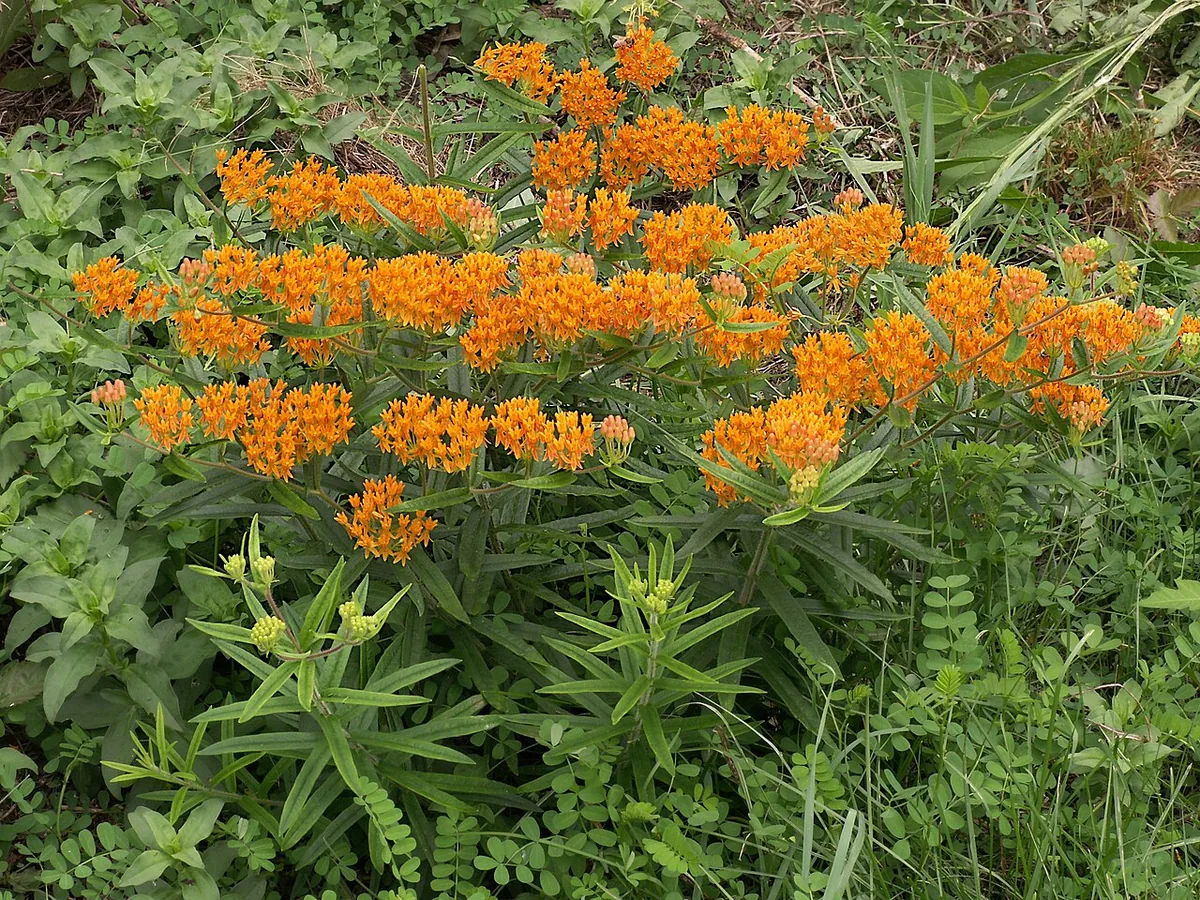
Butterfly Milkweed
Asclepias tuberosa · Wildflower
| Mature Size | 2–3 ft tall × 2–3 ft wide |
|---|---|
| Sunlight | Full sun for best flowering |
| Water | Low to moderate; drought-tolerant once established — heavy, wet soil stresses it |
| Soil | Dry, sandy, well-drained soils; tolerates acidic sand, loam, and clay if drainage is sharp. Poor salt tolerance |
| Bloom & Fruit | Vivid orange flower clusters (red and yellow forms occur), July–September — and it won't flower freely until well established. |
Wildlife Value
Verified by UF/IFAS as a larval host for the monarch, queen, and soldier butterflies; the flowers also draw butterflies, hummingbirds, and other pollinators. Caterpillars may defoliate it — they don't kill it.
In Zone 9B (Spring Hill / Hernando)
Hardy zones 3B–10B, so 9B is comfortable. This is the dry-soil counterpart to swamp milkweed and a natural fit for Hernando County sand: the risk here is wet summer soil and root rot, not cold. Slow to start growth in spring, and dormant in winter — unlike tropical milkweed, which stays green and causes trouble.
Grow Notes
- It has a taproot and hates transplanting — plant it where it will stay, and mark the spot so you don't dig up the dormant crown.
- Plant in the driest, sunniest, best-drained spot you have; water only in extended dry periods. Tolerate or rinse aphids — no systemics on a monarch host.
Sources: UF/IFAS EDIS FP050; UF/IFAS Polk & Pasco County Extension (2025).
Pairs Well With in Zone 9B
 Tree
FL Native
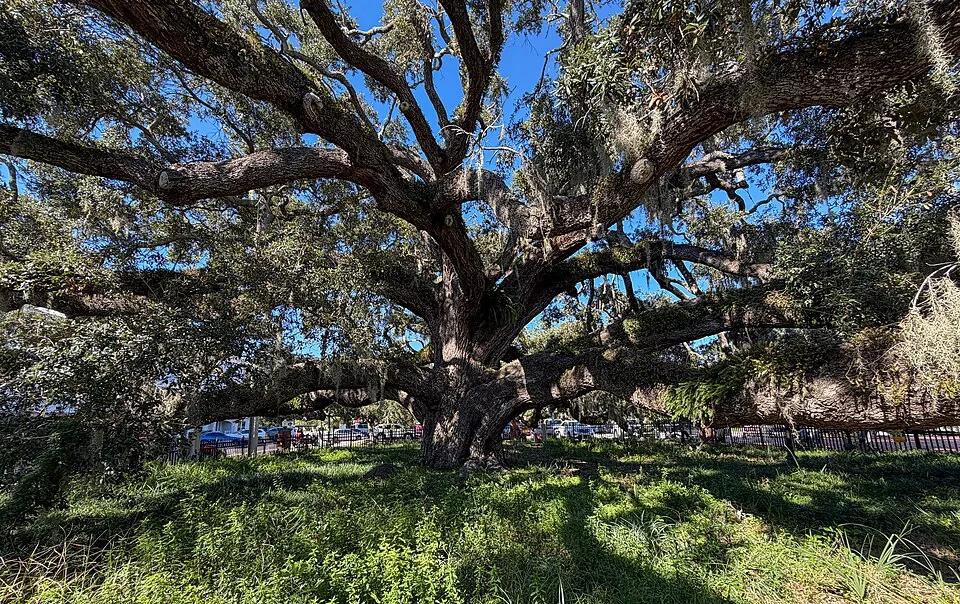
Live Oak
60–80 ft tall × 60–120 ft spread · Full sun to part shade · Moderate
 Tree
FL Native
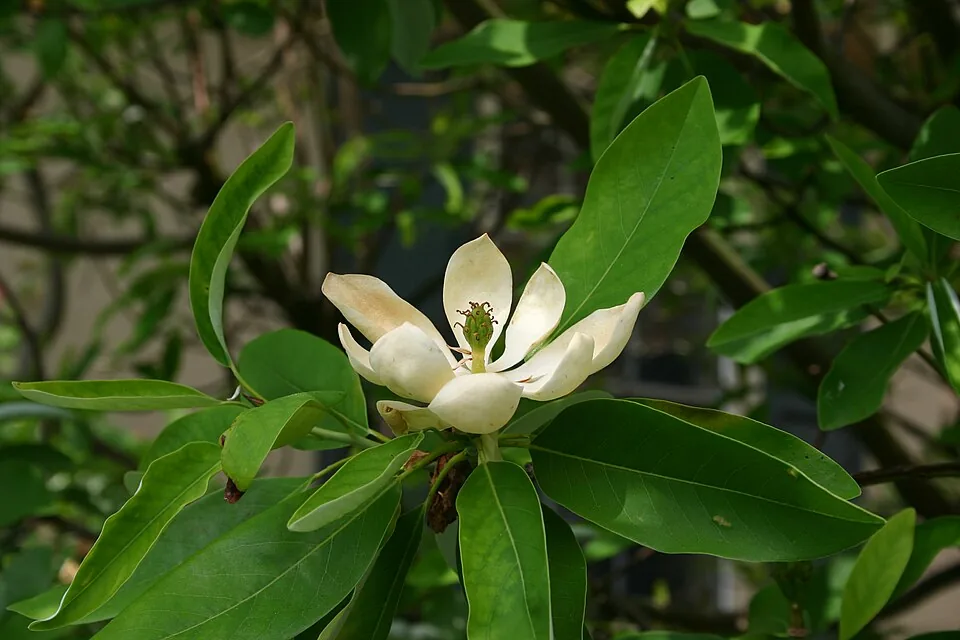
Sweetbay Magnolia
40–50 ft tall × 15–25 ft spread, narrow and columnar · Full sun to part shade · High
 Shrub
FL Native
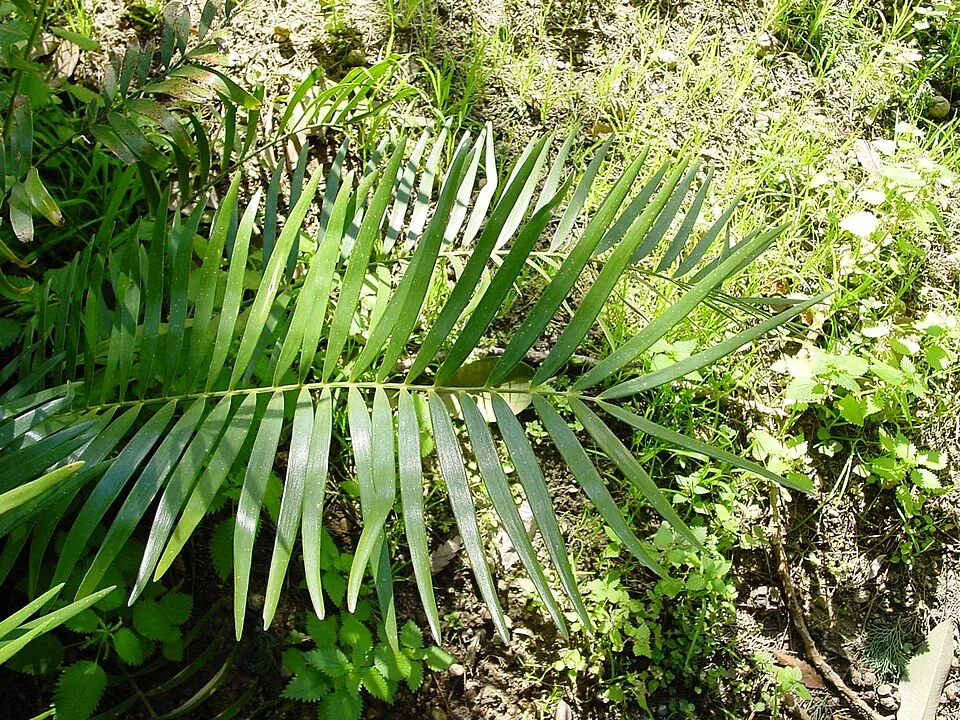
Coontie
2–3 ft tall × 3–5 ft spread · Full sun to full shade · Low once established