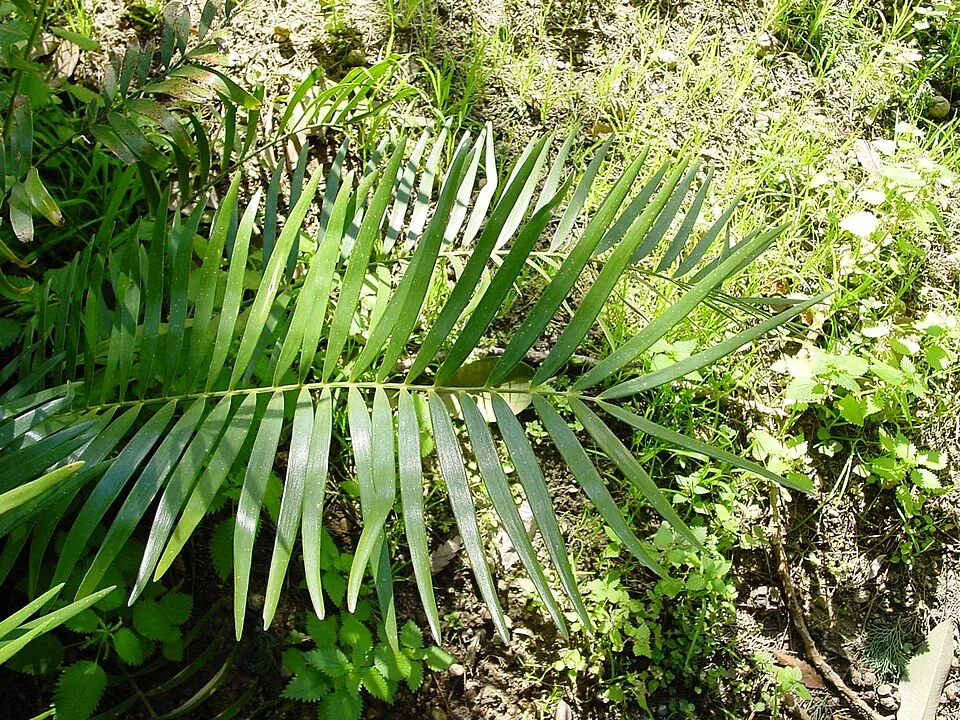
Coontie
Zamia integrifolia · Shrub
| Mature Size | 2–3 ft tall × 3–5 ft spread |
|---|---|
| Sunlight | Full sun to full shade; best in part shade |
| Water | Low once established; high drought tolerance |
| Soil | Well-drained sandy soil — it does not tolerate wet feet. Moderate salt tolerance |
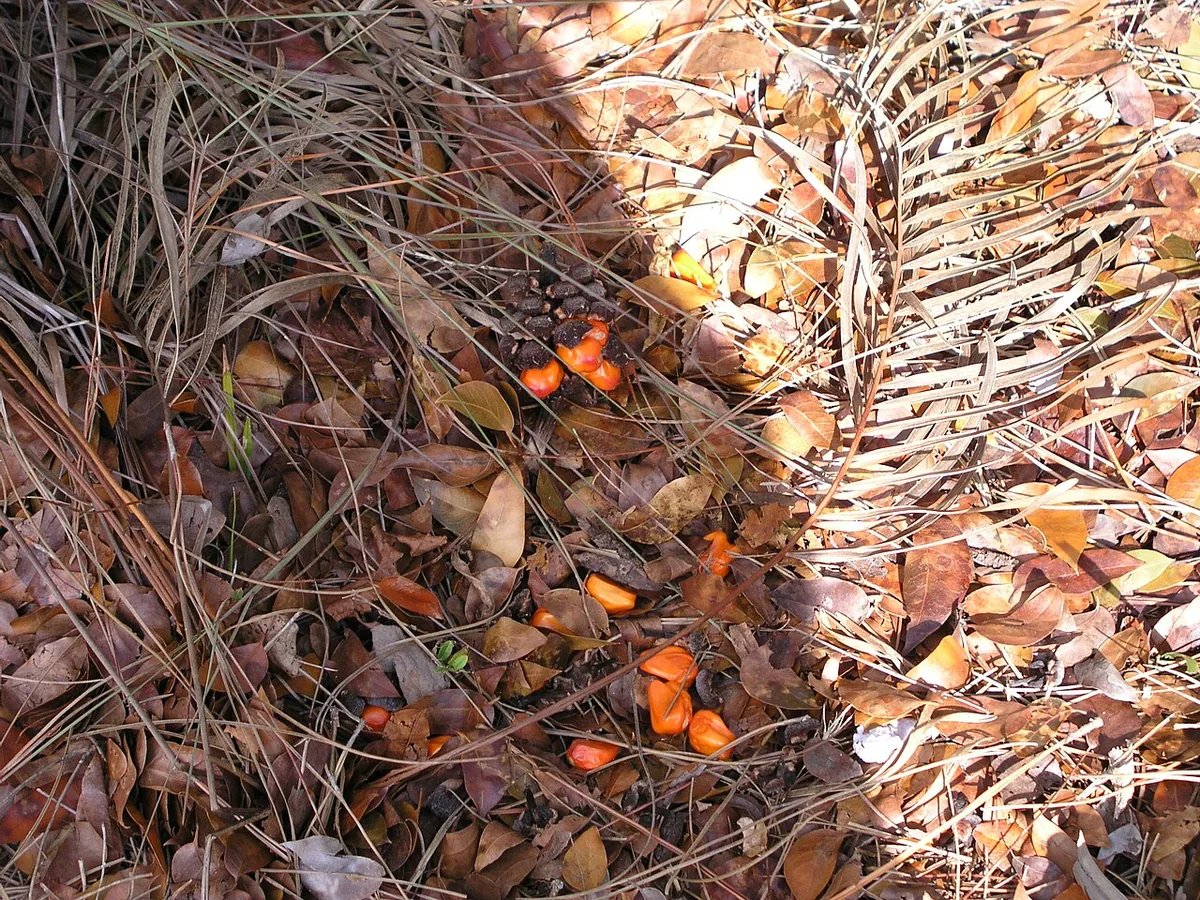
| Bloom & Fruit | No true flowers (it's a cycad — Florida's only native one). Female plants bear conspicuous cones with bright orange-red seeds. |
Wildlife Value
The sole native larval host of the rare Atala butterfly, and a host for the echo moth. Honest note: Atalas are mainly a southeast-Florida butterfly, so plant coontie because it's beautiful and bulletproof — an Atala visit in Hernando County would be a rare bonus, not an expectation. Caterpillars can strip a plant bare; healthy plants recover by the next season, so never spray a host plant.
In Zone 9B (Spring Hill / Hernando)
UF/IFAS zones 8b–11 — 9B winters are well within range. Slow-growing, so buy a good-sized plant and be patient. Caution: all parts are poisonous and the seeds are the most toxic — keep away from children and pets.
Grow Notes
- Plant in well-drained soil and don't overwater — wet feet will kill it.
- Space 36–60 in. apart, and leave it alone: no pruning, no fertilizer needed.
Sources: UF/IFAS Gardening Solutions, “Coontie”; UF/IFAS Extension Sarasota County. Read its full story in our Coontie & the Atala spotlight.
Pairs Well With in Zone 9B
 Tree
FL Native
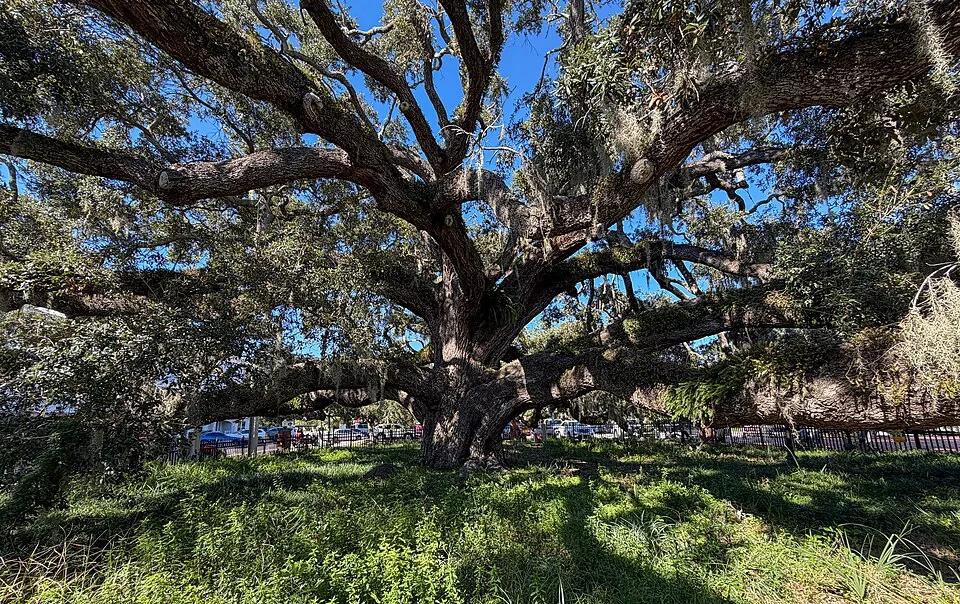
Live Oak
60–80 ft tall × 60–120 ft spread · Full sun to part shade · Moderate
 Tree
FL Native
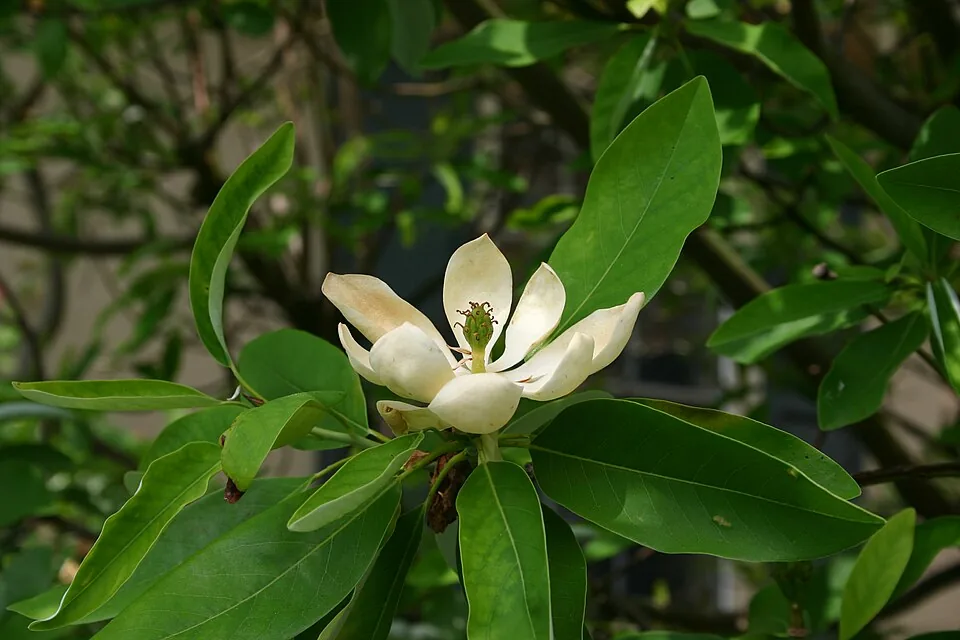
Sweetbay Magnolia
40–50 ft tall × 15–25 ft spread, narrow and columnar · Full sun to part shade · High
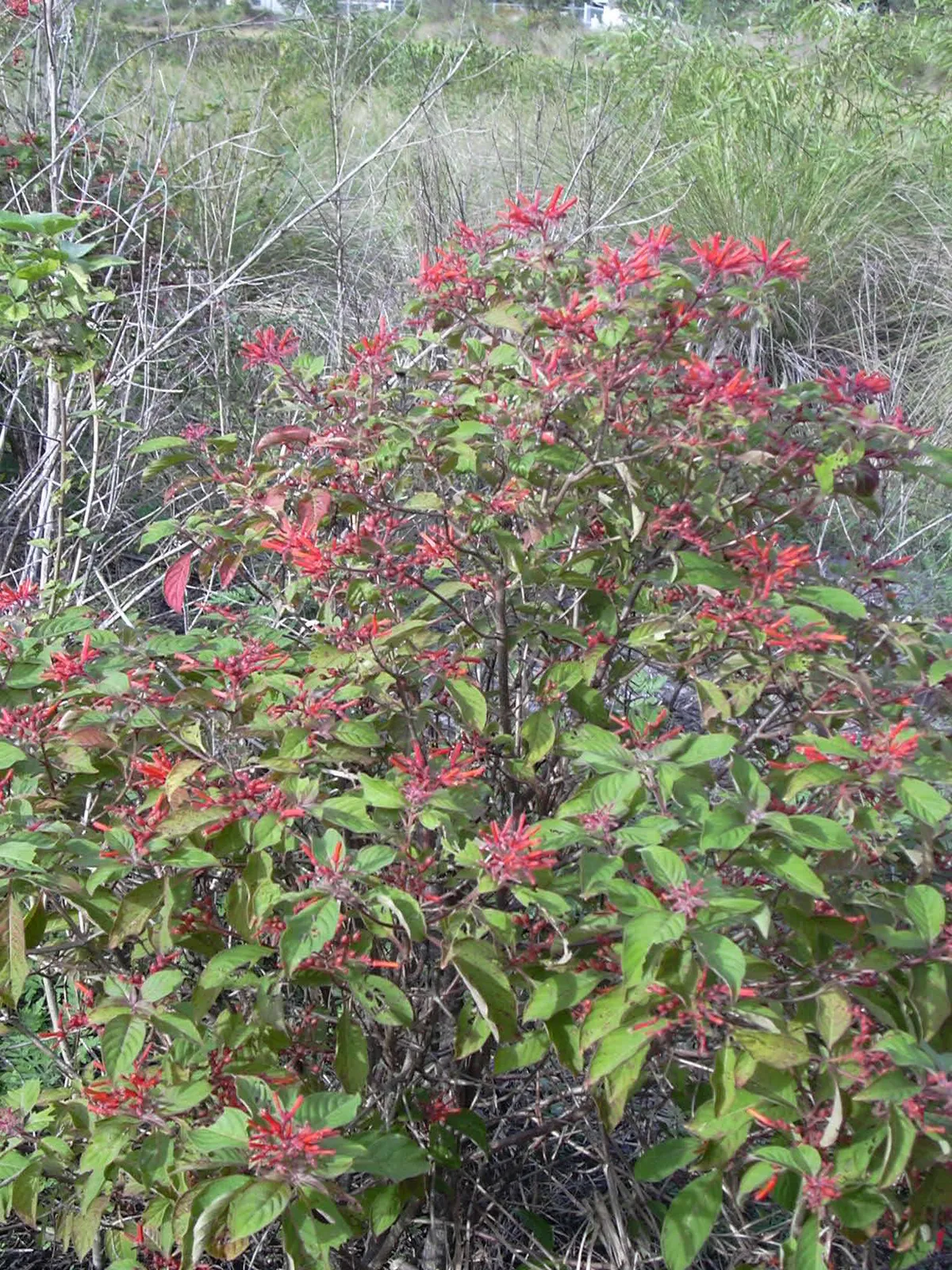 Shrub
FL Native
Firebush
6–12 ft tall × 5–8 ft spread · Full sun for best flowering · Moderate